Telly's Hidden Hours: The Secret World of British Afternoon TV That Nobody Admits to Loving

Telly's Hidden Hours: The Secret World of British Afternoon TV That Nobody Admits to Loving
There is a specific kind of guilt that settles over you at 3:17pm on a Tuesday when you realise you've been watching a 2009 episode of Pointless for forty minutes and have absolutely no intention of stopping. You weren't planning to sit down. You had emails. You had a life. And yet, here you are, shouting "Konrad Adenauer!" at Alexander Armstrong like he can hear you. He cannot. But that doesn't make it any less satisfying.
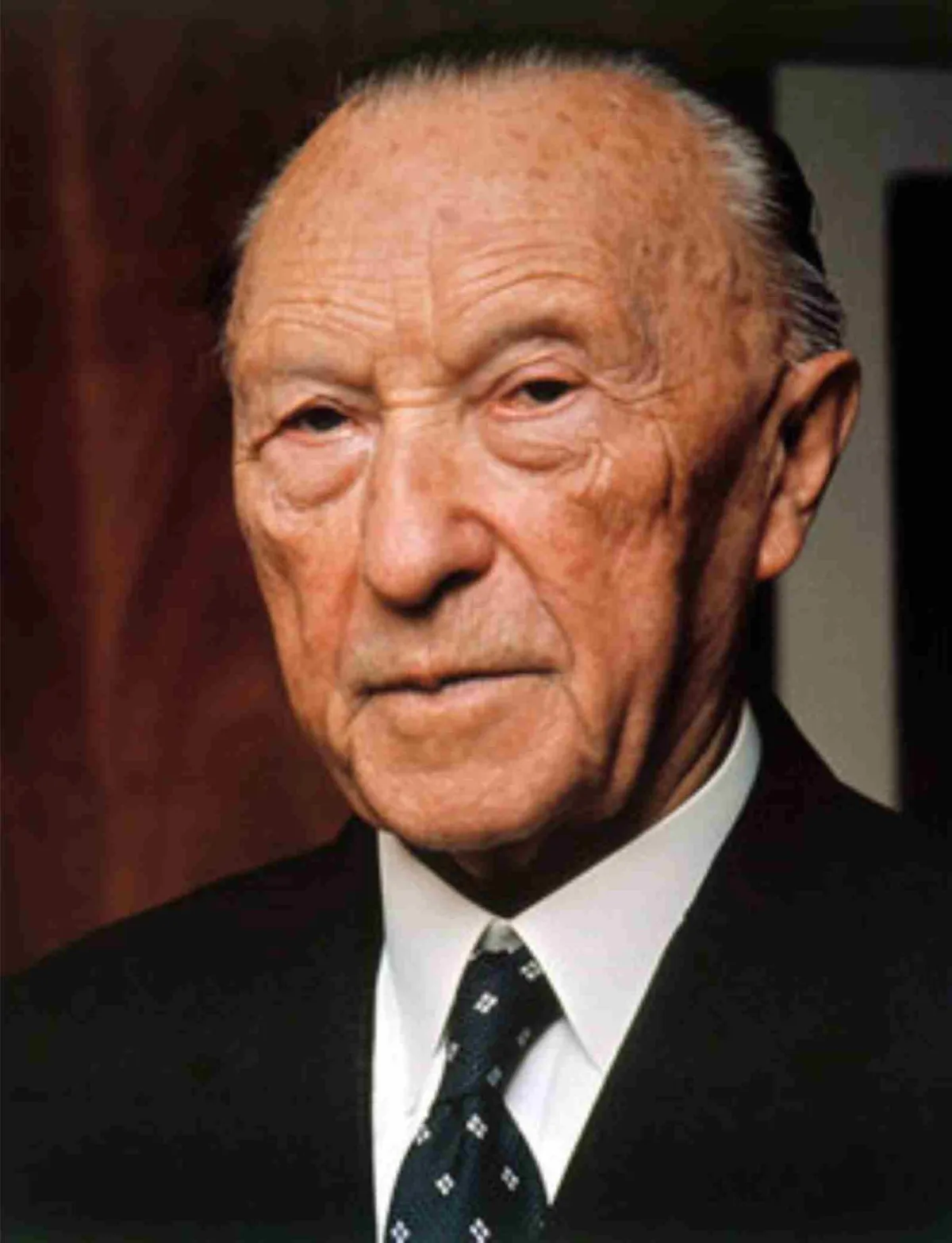 Photo: Konrad Adenauer, via ww2gravestone.com
 Photo: Alexander Armstrong, via www.the-sun.com
British afternoon television exists in a peculiar no-man's-land. It's too late for the earnest morning agenda-setting of Good Morning Britain and too early for the primetime productions that get the budgets, the press junkets, and the breathless Twitter threads. What fills the gap — roughly noon until five — is a strange, glorious, deeply underestimated ecosystem of repeats, quiz shows, chat programmes, and oddly compelling human-interest content that broadcasters treat like scheduling filler but audiences treat like comfort food.
And there are far more of those audiences than anyone wants to admit.
The Shameful Pleasure Nobody Puts on Their Watchlist
Here's the thing about afternoon TV: nobody talks about it in polite company. You'll find someone at a dinner party who'll wax lyrical about Succession or The Bear for forty-five minutes, but ask them if they watched Bargain Hunt yesterday and they'll look at you like you've suggested something criminal. Yet viewing figures tell a completely different story.
Bargain Hunt regularly pulls in over two million viewers per episode. Escape to the Country attracts similar numbers. Countdown — a show that has been running since 1982 and essentially involves watching people rearrange letters — still commands a deeply loyal audience that would riot if Channel 4 tried to axe it. Which, to be fair, Channel 4 has occasionally seemed tempted to do.
The point is this: afternoon television in Britain is not the ghost town broadcasters pretend it is. It's a quietly thriving community of viewers who have simply stopped pretending they're too sophisticated for it.
The Repeat Phenomenon: Why Watching It Again Is Half the Point
A significant chunk of afternoon programming isn't even new content — it's repeats, and viewers absolutely love them for it. ITV3 has built an entire identity around this concept, serving up older episodes of Midsomer Murders, Lewis, and Vera to an audience that has, in many cases, already seen them and simply doesn't care. This is comfort viewing in its purest, most unapologetic form.
There's genuine psychology behind it. Watching something familiar requires no emotional investment, no concentration, and no risk of narrative disappointment. You already know who killed the village postmistress. You know it was the antiques dealer with the dodgy alibi. The pleasure isn't in the reveal — it's in the ritual. It's the televisual equivalent of re-reading a favourite book with a cup of tea, and there's absolutely nothing wrong with that, no matter what your more culturally adventurous friends might imply.
Broadcasters, to their credit, have cottoned on to this. The rise of dedicated "heritage" channels filling afternoons with classic British drama isn't accidental scheduling — it's a deliberate strategy to capture viewers who want the familiar rather than the fresh.
The Quiz Show Industrial Complex
If repeats are afternoon TV's emotional backbone, quiz shows are its beating heart. The 3pm-to-5pm window has become something of a quiz show conveyor belt, and British broadcasters have perfected the format to a degree that borders on science.
Tipping Point with Ben Shephard. The Chase with its rotating roster of intimidating Chasers. 15 to 1. Countdown. Pointless. These aren't just programmes — they're daily appointments for millions of people who organise their afternoons around them with a dedication that puts gym schedules to shame.
 Photo: Ben Shephard, via images.hellomagazine.com
What makes the afternoon quiz work so well is its specific relationship with the viewer. Primetime drama asks you to surrender to it emotionally. Morning television demands your attention and your outrage. But the afternoon quiz? It invites you to participate, to feel clever, to shout answers at a screen without any social consequences whatsoever. It's interactive television before interactivity was a buzzword, and it remains one of the most genuinely enjoyable viewing experiences British TV produces.
The Chasers, in particular, have become an unlikely cultural phenomenon — a group of professional quizzers who've achieved genuine celebrity status through the sheer force of afternoon scheduling. That's remarkable when you think about it. These are people famous for being very good at knowing things in the middle of the day. Britain is a wonderful country.
Who's Actually Watching? (It's Not Just Your Nan)
The stereotype of the afternoon TV audience is a retiree in a cardigan with the heating on too high. And yes, older viewers do make up a significant portion of daytime audiences — but the demographic has quietly shifted in ways that broadcasters are still catching up with.
The rise of remote and hybrid working has deposited millions of people in front of their televisions during hours previously reserved for commuting and office life. A 2023 Ofcom report noted a sustained increase in daytime viewing among the 25-44 age bracket that hasn't fully retreated since the pandemic reshuffled everyone's daily rhythms. People discovered Homes Under the Hammer during lockdown and never fully recovered.
There's also the streaming angle. Services like ITVX and All 4 have made afternoon content genuinely accessible on demand, meaning the 3pm slot isn't even bound by the clock anymore. You can watch The Chase at midnight if the mood strikes. Many people do. This is Britain in 2025.
The Underrated Genius of Afternoon Scheduling
Perhaps the most overlooked truth about afternoon television is that it requires its own specific craft. The pacing of a quiz show, the warmth of a presenter who needs to be company rather than spectacle, the precise calibration of content that engages without demanding — these are genuine skills that get almost no industry recognition because the slots they fill aren't considered glamorous.
Ben Shephard, for instance, is one of the most technically accomplished television presenters working in Britain today. He manages Tipping Point with a precision and warmth that makes it look effortless — which is precisely the point. Afternoon TV presenters are essentially the television equivalent of a really good GP: calm, reassuring, quietly expert, and criminally underappreciated.
So next time you find yourself forty minutes into a Bargain Hunt episode on a weekday afternoon, do yourself a favour. Don't feel guilty. Don't reach for your phone. Don't pretend you were just about to turn it off. You've found one of British television's most honest pleasures — a corner of the schedule that exists purely to be enjoyed, without agenda, without pretension, and without anyone making you feel like you should be watching something more important.
The afternoon graveyard, it turns out, is very much alive. It just doesn't bother telling anyone about it.