Built Up, Let Down: Why Britain's Most Hyped TV Events Keep Bottling It at the Last Second

Built Up, Let Down: Why Britain's Most Hyped TV Events Keep Bottling It at the Last Second
Somewhere in Britain right now, someone is watching a highly anticipated television special and quietly thinking: "Is that... it?"
They won't say it out loud. Not immediately. They'll sit with it, let the credits roll, check Twitter — sorry, X — and wait for someone else to say it first. And eventually, someone will. And then the floodgates open and the collective national sigh of disappointment becomes its own cultural event, almost as big as the thing that caused it.
This is the cycle. We've been through it enough times to know the pattern. Yet we keep turning up, fully charged, ready to be amazed, and we keep going to bed slightly deflated. What on earth is going on?
The Hype Machine and Its Discontents
Let's be honest about something: the television industry and social media have formed one of the most mutually destructive partnerships in entertainment history. Broadcasters need buzz. Social media needs content. The result is a hype machine that operates on a logic entirely separate from the quality of whatever it's promoting.
Weeks of teaser clips. Carefully orchestrated cast interviews where everyone says the finale is "unlike anything we've ever done" while clearly having signed NDAs that prevent them from saying anything remotely interesting. Countdown graphics. "Don't miss the moment everyone will be talking about" — a sentence that, when examined, contains no actual information whatsoever.
By the time the thing actually airs, the audience has had enough time to construct an imaginary version of it in their heads that no real television programme could ever hope to match. We've essentially pre-watched a perfect version of it and then been surprised when the actual broadcast is merely very good.
The Reunion Special Problem
Few television formats are as reliably disappointing as the reunion special. The premise is almost always the same: beloved cast, beloved characters, beloved memories — and an overwhelming pressure to recapture something that was never really about the cast or the characters in the first place. It was about a specific moment in your life when you first watched it.
The Fawlty Towers one-off. The Absolutely Fabulous film. Various soap anniversary episodes that promise to shake the street/square/village to its foundations and instead deliver a moderately dramatic argument in a pub. These aren't bad pieces of television, necessarily. They're just television being asked to carry the emotional weight of your entire relationship with a programme — and that's not a reasonable request to make of any two-hour special.
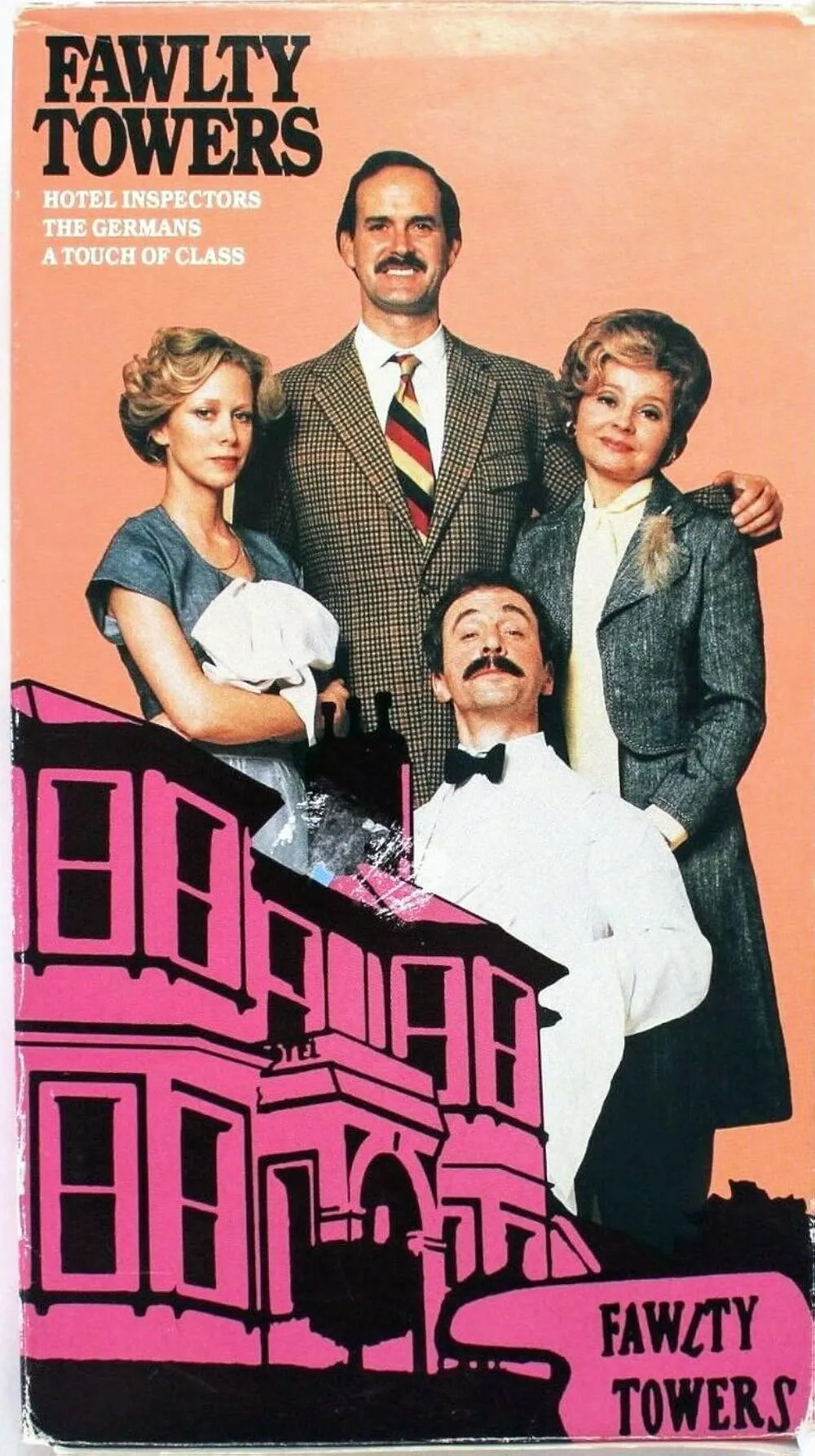 Photo: Fawlty Towers, via m.media-amazon.com
The cold truth is that reunion specials are almost always made for the broadcasters and the cast, not the audience. They're a victory lap. And victory laps are only fun if you were there at the finish line.
When Finales Fumble the Bag
The series finale is perhaps the cruellest test of all. Get it wrong and you don't just ruin an episode — you retroactively damage everything that came before it. Get it right and you're canonised. There's no middle ground in the court of public opinion.
British television has had its share of both. But the finales that disappoint tend to do so in a very specific way: they prioritise resolution over truth. They tidy up. They give people what they think they want rather than what the story actually demands. And audiences, who have spent years with these characters and this world, can smell the compromise immediately.
The shows that stuck the landing — and there are some, though naming them risks spoiling them for the three people who haven't watched yet — did so because they were willing to be unpopular in the short term. They trusted the story over the sentiment.
The ones that didn't? They're still being argued about in Reddit threads at two in the morning. Which is, in its own strange way, a kind of immortality.
The Audience Problem Nobody Wants to Talk About
Here's the uncomfortable bit: sometimes the disappointment isn't the show's fault at all.
British audiences — and this is said with enormous affection — have developed a talent for deciding what a show means to them that is completely independent of what the show is actually doing. We form parasocial relationships with characters. We build elaborate theories. We invest emotionally in outcomes that the writers never promised us. And then when the show does something other than what we'd decided it would do, we call it a betrayal.
This isn't unique to Britain, obviously. But there's something particularly intense about the British relationship with certain television institutions — soaps, long-running dramas, beloved comedies — that makes the gap between expectation and reality especially painful when it opens up.
The hype machine didn't create this on its own. We fed it. We shared the trailers. We wrote the fan theories. We did the countdown. The broadcasters handed us the rope and we enthusiastically tied ourselves up with it.
Can the Cycle Be Broken?
Probably not. And honestly, maybe it shouldn't be.
Because here's the thing: the disappointment only exists because of the anticipation, and the anticipation only exists because British television has produced enough genuinely extraordinary work to make us believe, every single time, that lightning might strike again. The hype machine is, at its core, a monument to optimism.
We keep turning up because the best of British TV — when it lands, when it really lands — is worth every previous disappointment. We keep getting our hopes up because occasionally, just occasionally, the thing is as good as the trailer promised.
And when that happens? Nobody's scrolling Twitter looking for someone to agree with them. They're just watching. Completely, gloriously, silently hooked.
Until the next one, anyway.