No Safety Net: The Glorious, Terrifying Golden Age of Live British Television
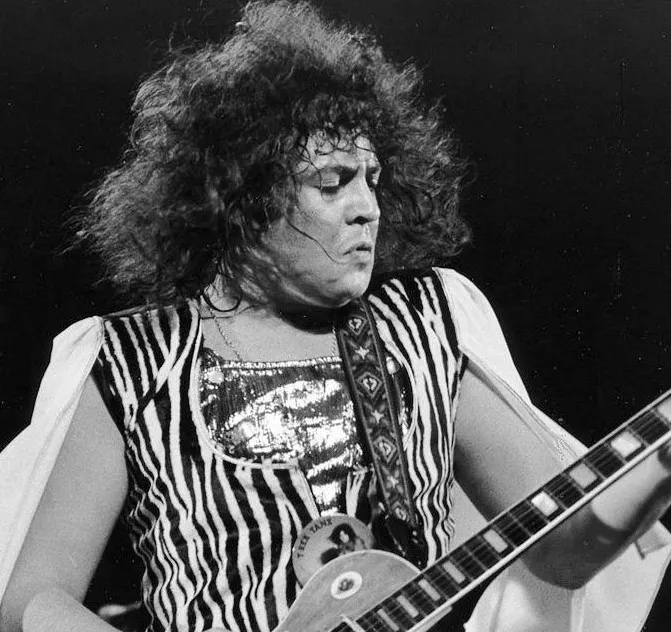
Photo: ABC Television, Public domain, via Wikimedia Commons
Imagine a world where the television you're watching right now could, at any moment, go completely and irreversibly off the rails. Where the person on screen might say something unscripted, or trip over a cable, or burst into unexpected tears, or — in at least one famous case — simply refuse to leave the stage until they'd finished what they came to say.
You don't have to imagine very hard. It happened. Regularly. For decades, British television was a live wire in the most literal sense — and the nation watched with the same mixture of delight and barely concealed terror that you get from watching someone carry a very full cup of tea across a freshly hoovered carpet.
That era is largely over now. And we should be considerably more upset about it than we are.
When Live TV Was the Only TV
In the early decades of British broadcasting, live television wasn't a format choice — it was the only option. Tape was expensive, editing was laborious, and the infrastructure simply didn't exist for the kind of polished, pre-packaged content we now consume by the terabyte. Everything went out as it happened. News, drama, comedy, chat — all of it broadcast in real time to a nation that had gathered around the set specifically because anything might happen.
This created a culture of genuine shared experience that's almost impossible to replicate now. When something went wrong on live telly in 1970 — and things went wrong with magnificent frequency — the entire country saw it simultaneously and talked about nothing else the following morning. There was no rewind. No clip on YouTube. If you blinked, you missed it, and you'd be relying on your neighbour's description for the rest of your life.
There's something irreplaceable about that. Something that Netflix's entire catalogue, for all its brilliance, cannot touch.
The Chat Show as Contact Sport
The British chat show, at its live and unguarded peak, was less a format and more a blood sport. The late-night sofa was a place where things happened that no producer had planned and no PR team had approved — and the best hosts understood that their job was to let it happen rather than manage it away.
Think of the great unscripted moments: guests who arrived clearly in no condition to be on television and somehow became legendary precisely because of it. Interviews that turned confrontational in ways that made everyone watching simultaneously wince and lean forward. The moments where the mask slipped — either the guest's or the host's — and something true got said on national television that nobody was expecting.
These weren't failures. They were the format working exactly as it was supposed to. The live chat show was a pressure cooker, and the steam was the point.
Awards Nights: Controlled Chaos in Evening Wear
Few things in British television history have produced more genuinely unmissable moments than a live awards ceremony going sideways. The BAFTAs, the BRITs, the National Television Awards — all of them have, at various points, provided moments of such spectacular unscripted drama that they transcended the medium entirely.
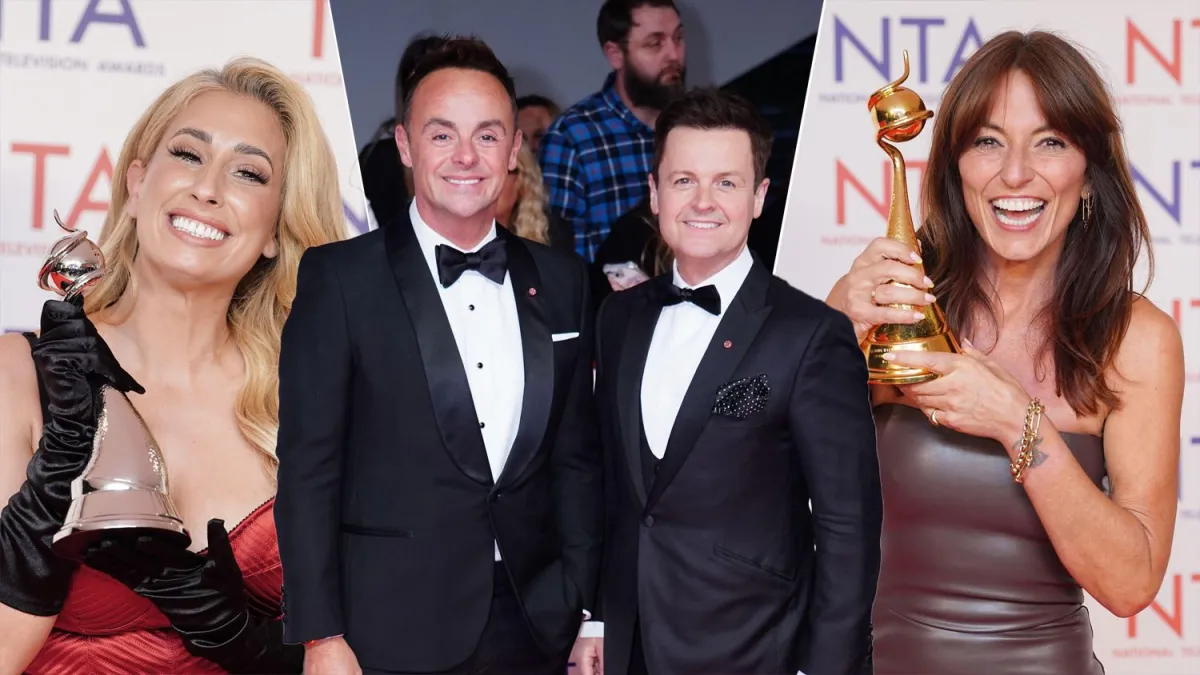 Photo: National Television Awards, via cdn.apollo.audio
Acceptance speeches that became political manifestos. Winners who used their thirty seconds to say the thing everyone in the industry was thinking but nobody had dared to say in public. Presenters who went off-script in ways that left the production team visibly ageing in real time. The occasional technical disaster that forced whoever was on stage to just... keep talking, indefinitely, while engineers somewhere in the building sprinted.
These moments are etched into British cultural memory not despite being chaotic, but because of it. They felt real in a way that scripted television, however brilliant, simply cannot. They were proof that human beings were involved — fallible, unpredictable, occasionally magnificent human beings.
What We Lost When We Started Playing It Safe
The shift away from live broadcasting has been gradual, and it's been driven by entirely reasonable concerns. Pre-recording means quality control. It means protecting contributors from saying things that could damage them. It means the broadcaster can sleep at night without worrying about what the 11pm guest might decide to announce to the nation.
All of this is understandable. Some of it is even admirable. But something has been lost in the transaction, and it's worth naming it clearly: spontaneity. The sense that television is a live medium, happening in real time, connected to the world outside the studio.
Streaming has accelerated this tendency towards polish and safety. When a show drops all at once on a platform, there's no broadcast moment, no shared experience, no chance of anything going wrong in a way that becomes part of the cultural record. Everything is finished, perfected, optimised — and slightly airless as a result.
The algorithm doesn't like surprises. And so surprises have been quietly edited out of the experience.
The Live Moments That Proved Television Was Alive
What the great live moments of British TV had in common wasn't chaos for its own sake — it was truth. The reason they're still talked about, still searchable (when the clips haven't been taken down), still referenced in conversations about what television can be, is that they captured something genuine. A real person, in a real moment, saying or doing something that couldn't be walked back.
That's not just entertainment. That's television functioning as a mirror — showing us something about the world, about people, about ourselves, that a carefully scripted and extensively rehearsed production simply cannot access.
There are still pockets of genuine live television in Britain. Sports broadcasts. Election nights. The occasional awards show that hasn't been neutered into complete safety. And when something happens on one of them — when a moment occurs that nobody planned and nobody can quite believe — the response is immediate and electric. Social media ignites. Everyone is talking about the same thing at the same time.
Which suggests the appetite is still there. We haven't lost the ability to be gripped by the unscripted and the unpolished. We've just been given fewer opportunities to experience it.
Bring Back the Beautiful Mess
This isn't an argument for recklessness. It's not a call for broadcasters to abandon their duty of care or manufacture chaos for ratings. It's something simpler: a plea for television that remembers it's alive.
The best live moments in British broadcasting history happened because someone, somewhere, decided to take the safety net away and trust that what emerged would be worth watching. They were right. They were gloriously, unforgettably right.
Somewhere in a production office, there's a commissioner reading a pitch for a live format and thinking: too risky. Too unpredictable. What if something goes wrong?
What if something goes wonderfully, memorably, historically right?
Flip the screen back on. Go live. We'll be watching.