Silence Is Golden: How British Comedy Learned to Make Us Squirm Instead of Smile

The Great Giggle Death
Somewhere between the final episode of Only Fools and Horses and the first awkward silence in The Office, British comedy died. Not literally, obviously — we're still making funny telly. But the old version, the one that wanted you to feel good, that practically begged you to laugh along? That's deader than David Brent's dance moves.
What replaced it is something far more sinister and, frankly, more addictive: cringe comedy. The kind that makes you watch through your fingers while your soul slowly leaves your body. We've collectively decided that emotional torture is preferable to actual entertainment, and the viewing figures suggest we're absolutely loving every excruciating second.
The Ricky Gervais Patient Zero Theory
You can trace the exact moment British comedy took this masochistic turn. It was 2001, BBC Two, a mockumentary about a paper merchant in Slough. The Office didn't just break the fourth wall — it demolished the entire concept of comedy as comfort food and rebuilt it as psychological warfare.
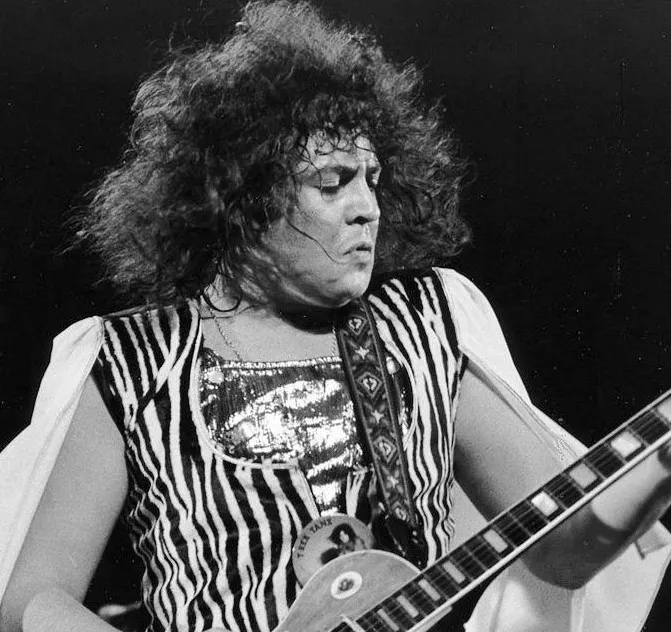
 Photo: Ricky Gervais, via www.fu.uni-lj.si
Ricky Gervais and Stephen Merchant didn't just create a character; they created a new form of entertainment torture. David Brent wasn't funny in the traditional sense — he was a walking, talking embodiment of secondhand embarrassment. Watching him was like witnessing a slow-motion car crash performed by someone who thought they were in a parade.
The genius wasn't in the jokes (what jokes?), but in the spaces between them. Those agonising silences where you could practically hear the tumbleweed rolling through Wernham Hogg's beige corridors. British audiences, it turned out, had been starving for this kind of discomfort without even knowing it.
The Peep Show Phenomenon
If The Office was the proof of concept, Peep Show was the full product launch. Jesse Armstrong and Sam Bain took the cringe formula and injected it with pure, uncut awkwardness. Mark and Jez weren't just uncomfortable — they were actively repellent human beings whose every interaction made you question your own life choices.
The show's POV camera work was particularly sadistic, forcing viewers to literally see through the eyes of these walking disasters. You weren't watching their mistakes from a safe distance; you were complicit in their failures. It was comedy as psychological experiment, and we were all willing test subjects.
The After Life Effect
Fast-forward to today, and the cringe comedy evolution has reached its logical endpoint: shows that aren't really comedies at all. After Life, Fleabag, This Country — these programmes have perfected the art of making you laugh and immediately feel guilty about it.
Phoebe Waller-Bridge's Fleabag was particularly masterful at this emotional manipulation. The show would lull you into thinking you were watching a quirky romantic comedy, then suddenly confront you with raw grief, sexual trauma, and family dysfunction. The laughs came with a side order of existential crisis.
 Photo: Phoebe Waller-Bridge, via baden-wuerttemberg.igmetall.de
The National Masochism Epidemic
So what does our appetite for comedic suffering say about us as a nation? Are we so emotionally repressed that we can only access genuine feeling through the medium of profound discomfort? Have we become so suspicious of happiness that we actively seek out entertainment that makes us miserable?
The answer is probably yes, and that's actually quite British when you think about it. We're a country that queues for fun, apologises to inanimate objects, and considers "mustn't grumble" a life philosophy. Of course we'd prefer our comedy served with a generous helping of psychological pain.
The Cushion-Hiding Hall of Fame
Certain moments have become legendary in the annals of British cringe. David Brent's dance. Mark Corrigan's wedding speech. Tony's grief counselling sessions. These scenes are seared into our collective consciousness not because they're funny, but because they're almost unbearably real.
The genius is in the specificity. These aren't broad, cartoonish failures — they're precisely observed human disasters that feel uncomfortably familiar. We've all known someone like David Brent, or worse, we've been someone like David Brent.
The International Export Problem
Here's where it gets interesting: this particularly British strain of cringe comedy doesn't travel well. American remakes of The Office and other shows have consistently softened the edges, added warmth, made the characters more likeable. They've fundamentally misunderstood that the discomfort isn't a bug — it's the entire point.
This suggests that our national appetite for comedic suffering might be genuinely unique. While other countries want their comedy characters to be loveable losers, we prefer our protagonists to be genuinely awful people whose failures feel richly deserved.
The Future of Feeling Bad
As we look ahead, the cringe comedy trend shows no signs of slowing down. If anything, it's getting more sophisticated, more psychologically complex. Shows like Ghosts manage to blend traditional warmth with moments of genuine discomfort, while programmes like People Just Do Nothing have perfected the art of making failure feel like a lifestyle choice.
The laugh track is dead, but something far more powerful has taken its place: the sound of our own uncomfortable silence. And frankly, we wouldn't have it any other way.
After all, why settle for a simple laugh when you can have an existential crisis instead? It's the British way.