One and Done: The Forgotten British Pilots That Deserved an Entire Universe
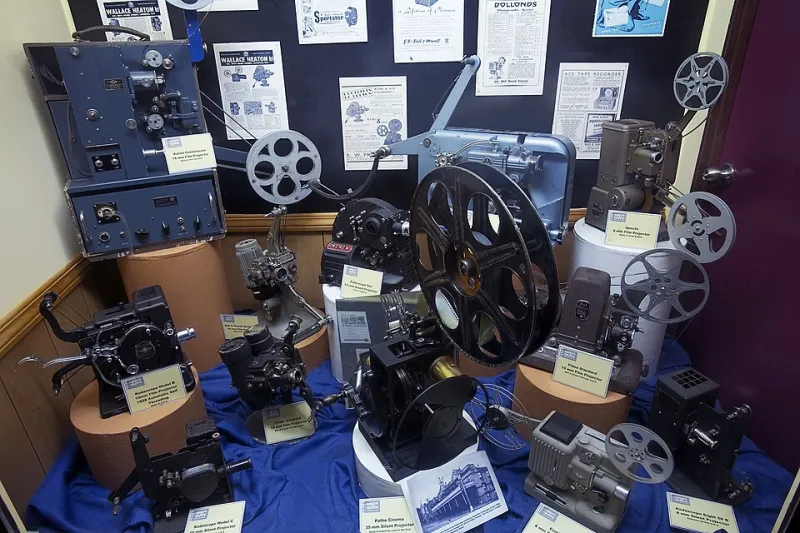
Photo: Jorge Royan, CC BY-SA 3.0, via Wikimedia Commons
Every television show that has ever existed began as a single episode that someone, somewhere, had to greenlight. Fawlty Towers got its pilot made. Fleabag got its pilot made. For every one of those that caught fire and became part of the national furniture, there are dozens — possibly hundreds — of first episodes that aired, confused a commissioner, failed to find an audience, and quietly ceased to exist.
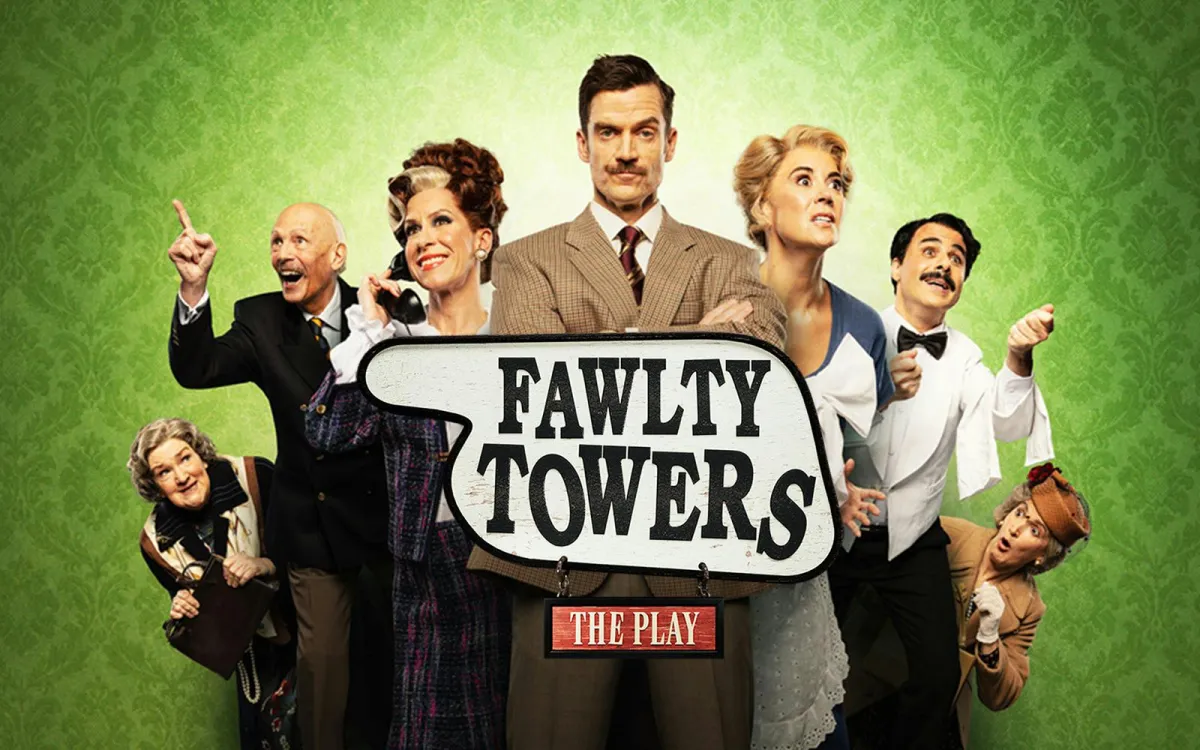 Photo: Fawlty Towers, via cdn-imgix.headout.com
Some of them deserved exactly that fate. Some of them absolutely did not.
This is about the ones that didn't.
The Peculiar Cruelty of the Single Broadcast
There is something uniquely brutal about the pilot that doesn't get picked up. Unlike a cancelled series — where at least a story had time to develop, characters had room to breathe, and audiences had the chance to actually find the thing — the failed pilot is snuffed out before it's properly begun. It's a novel where only the first chapter exists. A film that cuts to black after the opening scene.
And the reasons for the snuffing are rarely as simple as quality. Timing matters enormously in television commissioning. A show that arrives six months too early for a cultural moment it would have ridden perfectly can look baffling to the people holding the chequebook. A pilot that's genuinely unlike anything else — which is, theoretically, exactly what commissioners claim to want — is also, by definition, the thing that's hardest to greenlight because there's no comparable success to point at.
Britain has been particularly adept at producing television that's slightly ahead of its moment, which means its pilot graveyard is disproportionately full of ideas that would have found their audience eventually, given the chance.
Comedy's Casualties
British comedy has always operated at the experimental edge — surreal, uncomfortable, occasionally baffling — and that means its failure rate at pilot stage is correspondingly high. The comedy pilot that doesn't land is often the one that's doing something genuinely new, which the commissioning process, being human and therefore risk-averse, has a tendency to punish.
The BBC's various comedy pilot strands over the decades have produced a fascinating archive of things that almost were. Sketch shows with a voice entirely their own that never got the series commission. Sitcoms built around a genuinely original premise that were deemed too niche, too strange, or too uncommercial to develop — only for something superficially similar to succeed enormously three years later on a different channel.
The tragedy isn't just the lost show. It's the lost writer. A comedy pilot that doesn't get picked up can derail a career at exactly the moment it should be launching one. The writer who had the right idea at the wrong time often doesn't get a second chance to have another right idea, because the industry has quietly moved on.
Drama's Nearly-Men (and Women)
On the drama side, the failed pilot problem takes a different shape. Here, the casualty is usually ambition. The single-episode drama that commissions well, shoots beautifully, and then gets quietly buried because the network can't work out where it fits in the schedule, or because a similar-ish show just got greenlit elsewhere, or because a key executive left and their replacement had different taste.
British television in the 1990s and early 2000s was particularly littered with drama pilots that fell into the gap between genres — too dark for mainstream slots, too accessible for arts programming, too British for international co-production money. The shows that might have defined a generation of television instead became footnotes, remembered only by the people who made them and the handful of viewers who caught the single broadcast and spent years afterwards wondering what happened next.
There are writers and directors working in British television today who will tell you, if you ask them in the right setting with the right drink in their hand, about the pilot that got away. The one they're still slightly furious about. The one where everything worked.
The Streaming Second Chance
Here's where things get genuinely interesting. The streaming era has, almost accidentally, created a mechanism for resurrection. Archive television is suddenly valuable again — not just the hits, but the curiosities, the experiments, the things that never quite got their moment. Platforms hungry for content and desperate to differentiate themselves have begun looking at exactly the kind of material that previously gathered dust on broadcast archive shelves.
There's also a growing audience for precisely the kind of television that failed pilot syndrome tends to produce: the strange, the singular, the things that don't fit neatly into existing categories. The viewers who made Fleabag a phenomenon or turned Inside No. 9 into a cult institution are the same viewers who would, given the chance, enthusiastically adopt a resurrected pilot that was simply too weird for its original moment.
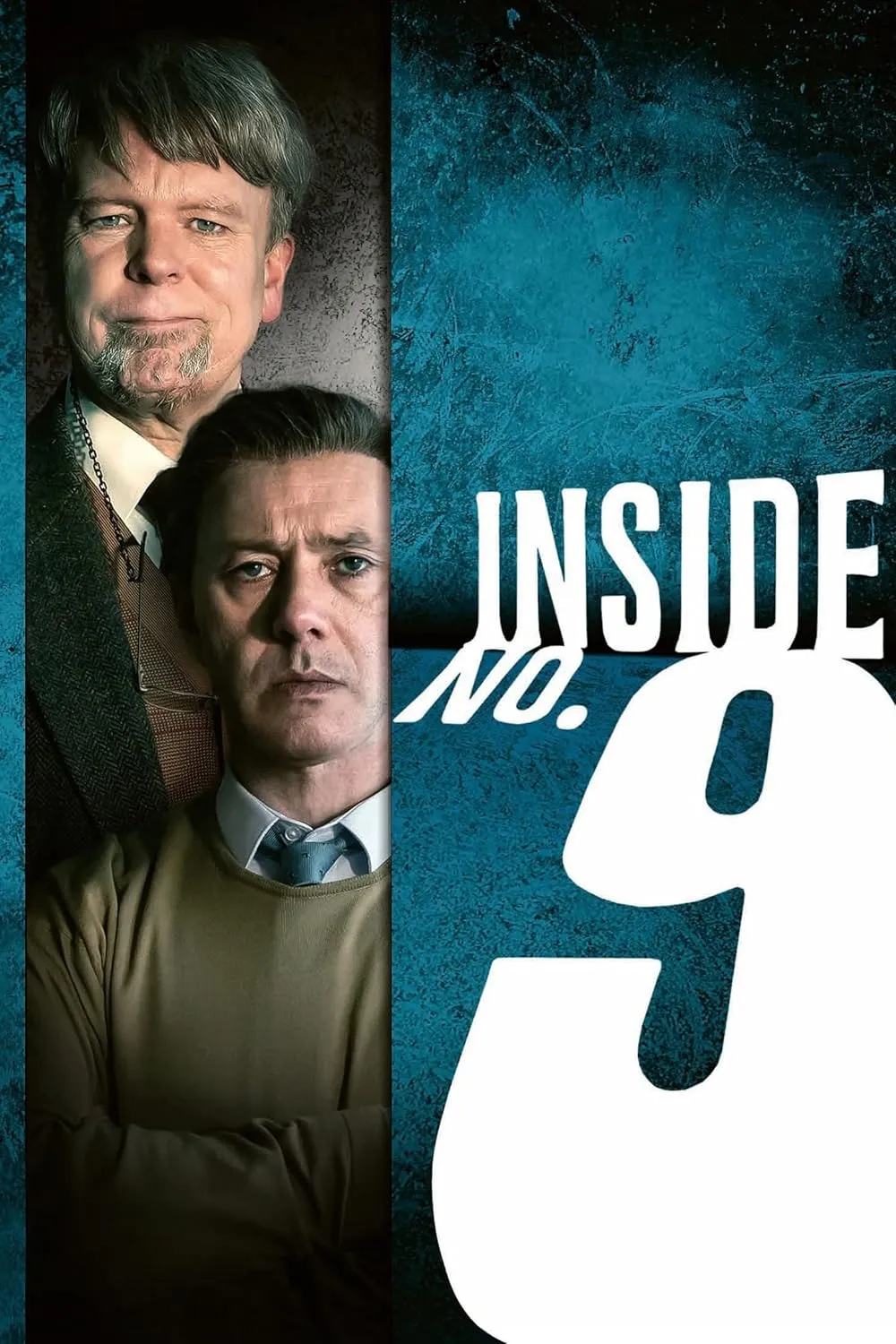 Photo: Inside No. 9, via m.media-amazon.com
The question is whether the industry has the institutional memory — and the appetite for risk — to go digging. Archive pilots are not easy to licence, not easy to restore, and not easy to market. But for a streaming platform looking for something genuinely distinctive, the pilot graveyard is an extraordinary resource.
What Gets Lost When a Pilot Dies
Beyond the practical question of what could be revived, there's a more philosophical point worth sitting with. Every failed pilot represents a version of British television that never happened. A timeline where the strange comedy got its series and shifted the culture slightly. Where the ambitious drama found its audience and gave a generation of viewers something they didn't know they needed.
Television shapes how we understand ourselves — our humour, our anxieties, the stories we tell about who we are. The shows that make it through the commissioning process are not necessarily the best ones. They're the ones that found the right room at the right moment with the right person holding the pen.
The ones that didn't are still out there, somewhere. First episodes that aired once and then went quiet. Worlds that opened briefly and then closed. Characters who got one scene and then never spoke again.
Somewhere in a broadcasting archive, there's a pilot episode that would have been your favourite show. You just never got to see it.
That feels worth being annoyed about.