From Nan's Kitchen to National Treasure: How Bake Off Accidentally Invented Britain's New Celebrity Class
The Tent That Broke the Celebrity Mould
Something quietly revolutionary happened when The Great British Bake Off pitched its famous tent. Without anyone really noticing, it dismantled the entire celebrity-making apparatus that had dominated British television for decades. Gone were the sob stories, the manufactured drama, the carefully orchestrated meltdowns. In their place? A middle-aged accountant from Grimsby getting genuinely emotional about her Victoria sponge.
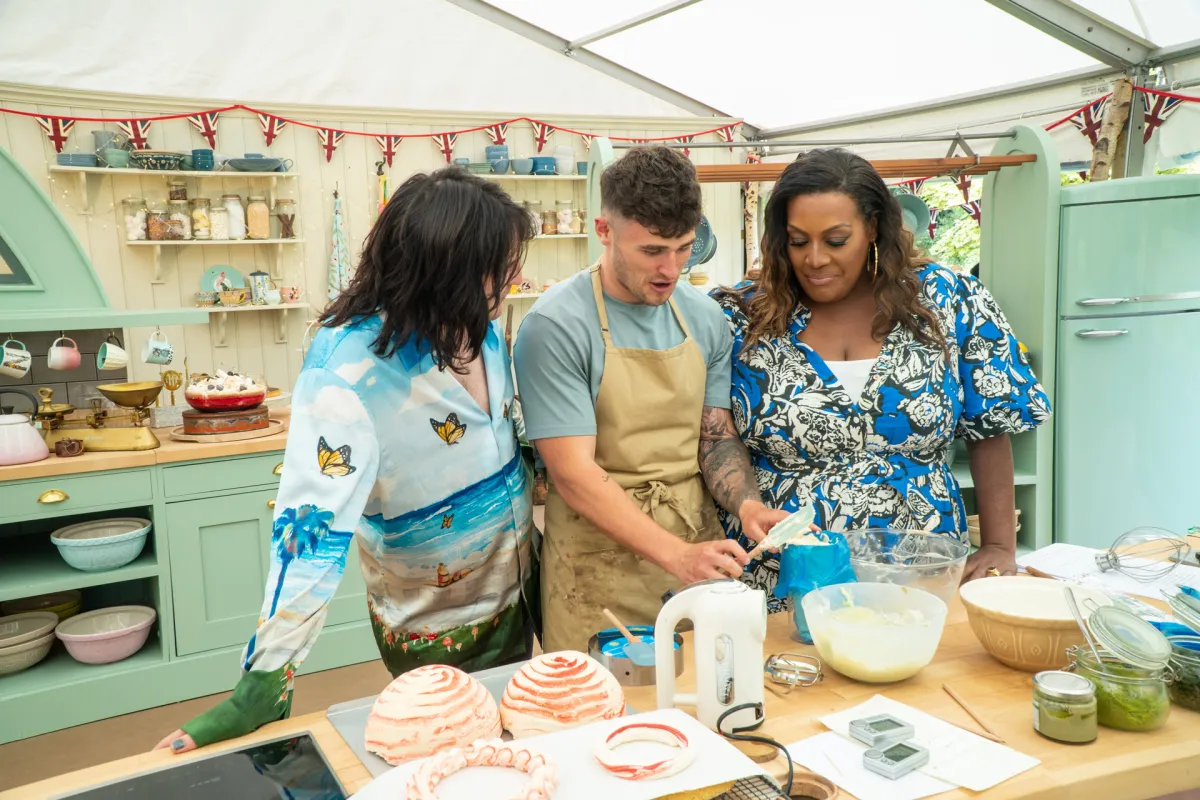 Photo: The Great British Bake Off, via www.countryandtownhouse.com
And somehow, inexplicably, we fell harder for these amateur bakers than we ever did for the polished performers on our screens.
The Authenticity Arms Race
The Bake Off effect isn't just about baking – it's about the complete inversion of what we thought made good television. Where other reality shows weaponise vulnerability, Bake Off celebrates competence. Where others manufacture conflict, it nurtures genuine camaraderie. The result? Contestants who feel like actual people rather than carefully cast archetypes.
Take Nadiya Hussain's 2015 victory. Her tearful "I can do this" moment resonated more powerfully than any scripted reality TV breakdown because it felt earned, not engineered. Within months, she'd gone from unknown mum to hosting her own shows, writing cookbooks, and becoming a genuine household name. Not because producers positioned her as the 'inspirational one', but because viewers recognised something real.
This authenticity premium has become the new currency of British television. Audiences, increasingly savvy to manufactured drama, are gravitating toward formats that feel genuinely unscripted. The Repair Shop, Gardeners' World, even The Traitors – all trading on the same principle that real expertise and genuine emotion trump artificial conflict every time.
The Wholesomeness Paradox
What's fascinating is how Bake Off's relentlessly nice format has become television's most efficient emotion-extraction machine. Without a single raised voice or manufactured rivalry, it consistently reduces grown adults to tears – both on screen and off. The secret? It taps into something deeper than entertainment: nostalgia for a Britain that probably never existed but feels emotionally true.
Every soggy bottom and collapsed cake becomes a metaphor for universal human experience. The tent represents a safe space where failure isn't humiliating but humanising, where success feels earned rather than awarded. It's comfort food for the soul, served with a side of gentle competition that somehow makes everyone look good.
The Ripple Effect Revolution
The Bake Off template has spawned an entire ecosystem of 'nice' television. The Great British Sewing Bee, The Great Pottery Throw Down, even The Great British Menu – all following the same formula of expert judges, amateur competitors, and zero tolerance for nastiness. But it's not just about format; it's fundamentally changed how we consume celebrity itself.
Bake Off alumni don't just disappear after their series ends – they build sustainable careers based on the personalities they revealed under pressure. Ruby Tandoh became a respected food writer. John Whaite won Strictly. Rahul Mandal turned his gentle perfectionism into a presenting career. They're not traditional celebrities but something new: ordinary people we've watched become extraordinary at something specific.
The Democracy of Fame
Perhaps most significantly, Bake Off has democratised the path to television fame. You don't need to be young, conventionally attractive, or from London. You need to be good at something, willing to share that passion, and capable of handling pressure with grace. It's a refreshingly meritocratic approach in an industry notorious for its gatekeeping.
This shift reflects something broader about British culture. In an era of increasing inequality and social division, Bake Off offers a fantasy of achievement based purely on skill and character. The tent becomes a temporary utopia where your postcode doesn't matter, where being working-class isn't a barrier, where age and background are irrelevant next to your ability to nail a perfect choux pastry.
The Future of Nice
As traditional celebrity culture increasingly feels hollow and manufactured, the Bake Off model looks remarkably prescient. Audiences are craving authenticity in an age of Instagram filters and carefully curated public personas. They want to root for people who remind them of their neighbours, their colleagues, their own families.
The show's genius lies in understanding that the most compelling television often comes from watching ordinary people do extraordinary things, not extraordinary people doing ordinary things. It's a lesson that's reshaping British television from the ground up, one perfectly risen soufflé at a time.
In a media landscape obsessed with controversy and conflict, Bake Off proved that sometimes the most radical act is simply being nice. And in doing so, it accidentally created the most powerful celebrity-making machine British television has ever seen.