Survival of the Fittest: The Brutal Darwin Awards of British TV Spin-Offs

Welcome to the Killing Fields
In the savage wilderness of British television commissioning, few species face a more precarious existence than the spin-off. These delicate creatures, born from the success of their parent shows, must immediately prove their worth in an environment that shows no mercy to the weak, the derivative, or the cynically motivated.
The statistics are genuinely frightening. For every Frasier that manages to outgrow its Cheers origins, there are dozens of forgotten offspring that barely lasted a single series before being quietly put out of their misery. British television, with its notoriously tight budgets and risk-averse commissioners, has become a particularly brutal hunting ground for these televisual experiments.
The Extinction Events
Let's start with the casualties, shall we? The Lone Gunmen, spun off from The X-Files' conspiracy-loving trio, managed exactly one series before vanishing without trace. Despite being created by the same team that made Mulder and Scully household names, this particular branch of the family tree was swiftly pruned.
Closer to home, Redcap attempted to capitalise on the success of military police drama Soldier Soldier, but lasted just two series despite John Thaw's considerable star power. The show suffered from what evolutionary biologists might call 'environmental mismatch' — trying to transplant characters from one very specific ecosystem into another without understanding what made the original habitat successful.
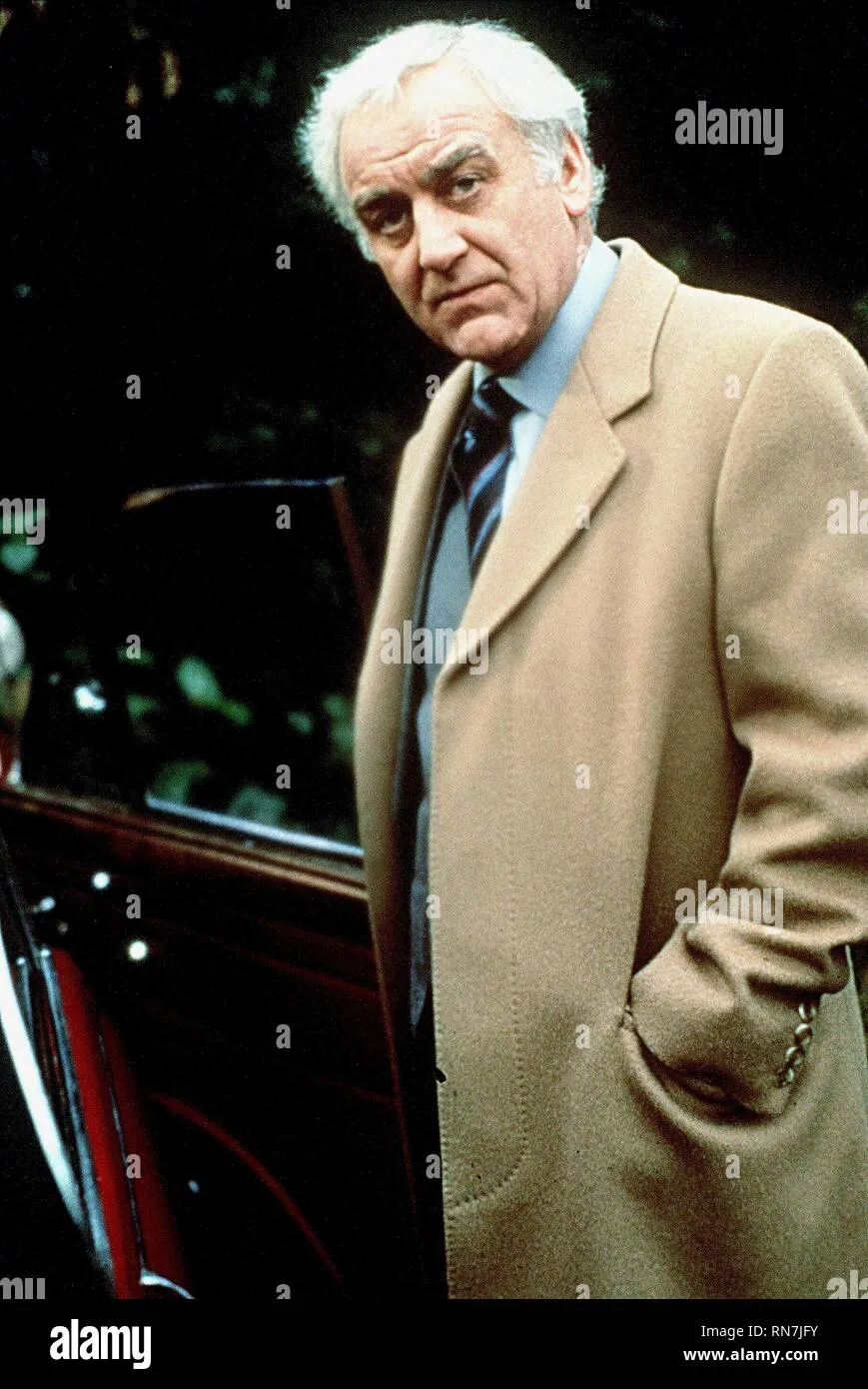 Photo: John Thaw, via c8.alamy.com
Perhaps most tragically, After You've Gone spun off from The Catherine Tate Show but completely missed what made Tate's original creation work. Where the sketch show thrived on variety and surprise, the sitcom format trapped its characters in repetitive scenarios that quickly grew stale.
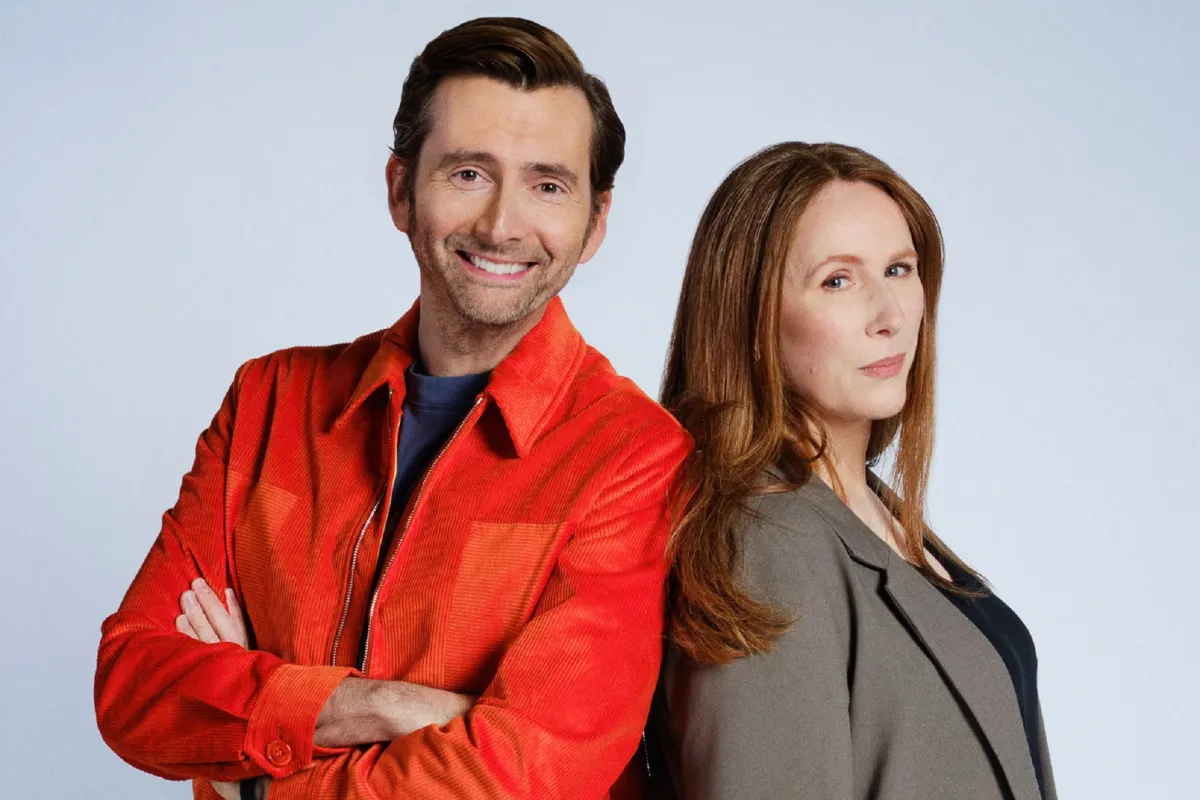 Photo: Catherine Tate, via www.tvinsider.com
The Survivors' Secrets
But some spin-offs don't just survive — they evolve into apex predators that dominate their new territories. Torchwood represents perhaps the most successful example of British spin-off evolution. Born from Doctor Who's need to explore more adult themes, it initially struggled to find its identity, lurching between camp sci-fi adventure and gritty urban drama.
The key to Torchwood's eventual success lay in its willingness to shed the characteristics that weren't working. Early episodes that tried too hard to be 'adult' gave way to more sophisticated storytelling that earned its mature themes through genuine emotional complexity rather than gratuitous content.
Better Call Saul, while American, provides a masterclass in how to honour your parent show while establishing complete independence. The series understood that Jimmy McGill's journey to becoming Saul Goodman required its own pace, tone, and visual language. It borrowed Breaking Bad's attention to detail and moral complexity while developing its own distinct personality.
The Adaptation Advantage
Interestingly, some of the most successful British spin-offs have been those that adapted to completely different formats. Coronation Street has spawned numerous offspring over the decades, but the most enduring have been those that recognised they couldn't simply be 'more Corrie' in a different location.
 Photo: Coronation Street, via www.backtothebay.net
Holby City, spun off from Casualty, succeeded by shifting focus from the emergency department's frenetic pace to the more complex politics and relationships of the surgical ward. This wasn't just a change of scenery — it was a fundamental reimagining of what medical drama could be.
The Cash-Grab Catastrophes
Then there are the spin-offs that never stood a chance because they were conceived not as creative opportunities but as commercial obligations. These shows carry the stench of desperation from their first frames, commissioned not because anyone had a story to tell but because someone had a budget to spend.
K-9, the attempted spin-off from Doctor Who featuring the robotic dog, exemplifies this approach. Despite the character's popularity, nobody seemed to have considered what stories could actually be told with a talking metal pet as the protagonist. The result was a show that felt like a tax write-off masquerading as entertainment.
The Independence Test
The most reliable predictor of spin-off success appears to be what we might call the 'independence test' — can the new show survive without constant reference to its parent? The failures tend to be those that exist purely as extensions of existing properties, while the successes establish their own mythologies and character dynamics.
Frasier passed this test by moving its protagonist to a completely different city and surrounding him with an entirely new supporting cast. While Frasier Crane remained the same character, everything else about his world changed, forcing the show to develop its own identity.
The Sarah Jane Adventures succeeded by focusing on stories that couldn't be told within Doctor Who's format. By targeting a younger audience and exploring how ordinary people might cope with extraordinary circumstances, it carved out its own niche in the sci-fi landscape.
The Ecosystem Rules
What emerges from this evolutionary battlefield are some clear survival strategies. Successful spin-offs tend to:
- Identify what made their parent show work and adapt those elements rather than copy them
- Establish their own visual and tonal identity from the outset
- Focus on character relationships that couldn't be explored in the original format
- Resist the temptation to constantly reference their origins
- Find their own audience rather than assuming they'll inherit their parent's viewers
The Future of the Species
As television continues to fragment into ever-smaller niches, the pressure to extend successful properties grows stronger. Streaming services, in particular, seem convinced that brand recognition is the key to cutting through the noise of infinite content.
But the evidence suggests that audiences are surprisingly sophisticated about detecting authenticity. They can sense when a spin-off exists because someone had a genuine story to tell versus when it exists because someone had a quarterly target to hit.
The British television ecosystem, with its tradition of short series runs and creator-driven content, might actually be better positioned than most to produce successful spin-offs. Our writers are used to working within tight constraints and clear parameters — skills that translate well to the challenge of expanding existing universes without diluting them.
The key, as always, is remembering that evolution isn't about becoming bigger or flashier — it's about becoming better adapted to your environment. In the case of television spin-offs, that environment is an audience looking for something familiar enough to feel comfortable, but different enough to feel necessary.
Get that balance right, and you might just avoid becoming another footnote in television's brutal natural history.