Second Time Around: Why Your Favourite British Shows Hit Different When Life's Knocked You About a Bit

The Great Discovery
There's a peculiar magic that happens when you dust off an old British box set after a decade of life has properly done you over. What once seemed like simple comedy suddenly reveals layers of meaning you couldn't possibly have grasped at 22, clutching your first proper payslip and thinking you'd cracked the code of adulthood.
Take Peep Show, for instance. First time round, it's pure cringe comedy — two hapless flatmates stumbling through life in Zone 2, their internal monologues providing a running commentary of spectacular social failure. But watch it again after you've endured a few proper career disappointments, a relationship or two that went south, and the dawning realisation that your 30s aren't automatically going to sort themselves out, and suddenly Mark Corrigan's neurotic overthinking doesn't seem quite so ridiculous. It seems... familiar. Uncomfortably so.
The Wisdom of Repeated Viewing
British television writers have always been crafty devils, embedding jokes and observations that only make sense once you've lived a bit. The Office is perhaps the masterclass in this delayed gratification approach to comedy. David Brent's desperate attempts to be liked by his employees initially read as simple workplace satire, but revisit Slough's most famous paper merchant after you've had a few managers of your own, and the show transforms into something far more poignant.
Suddenly, Brent's pathological need for validation isn't just funny — it's tragic. His complete inability to read a room becomes a masterclass in how good intentions can curdle into workplace toxicity. And Tim's quiet desperation, his artistic ambitions slowly being crushed by the mundane reality of adult responsibility? That hits different when you're staring down the barrel of your own unfulfilled potential.
The Layers Reveal Themselves
Spaced operates on a similar principle of delayed revelation. Simon Pegg and Jessica Hynes created a show that functioned perfectly as a Gen X love letter to pop culture, packed with film references and slacker humour. But underneath the surface-level geekery lies a surprisingly mature examination of what happens when you're forced to grow up but don't quite know how.
 Photo: Simon Pegg, via static0.srcdn.com
Tim and Daisy's fake relationship becomes a meditation on modern loneliness and the family structures we cobble together when traditional ones fail us. Mike's military obsessions transform from quirky character trait to a study of how some people never quite figure out how to exist in peacetime. Even Twist, the perpetually stoned artist, reveals herself as someone using creativity as both escape and genuine expression.
The British Advantage
What makes British television particularly suited to this kind of archaeological viewing is our national obsession with emotional repression dressed up as comedy. We're brilliant at creating characters who say one thing while meaning something entirely different, who use humour as a defence mechanism against the crushing weight of ordinary existence.
Phoenix Nights exemplifies this perfectly. Peter Kay's creation initially presents as straightforward Northern working men's club comedy, but return to it with a few more years of life experience and you'll spot the underlying themes of community decline, the death of traditional entertainment, and the way people cling to fading institutions because they represent something valuable that's disappearing.
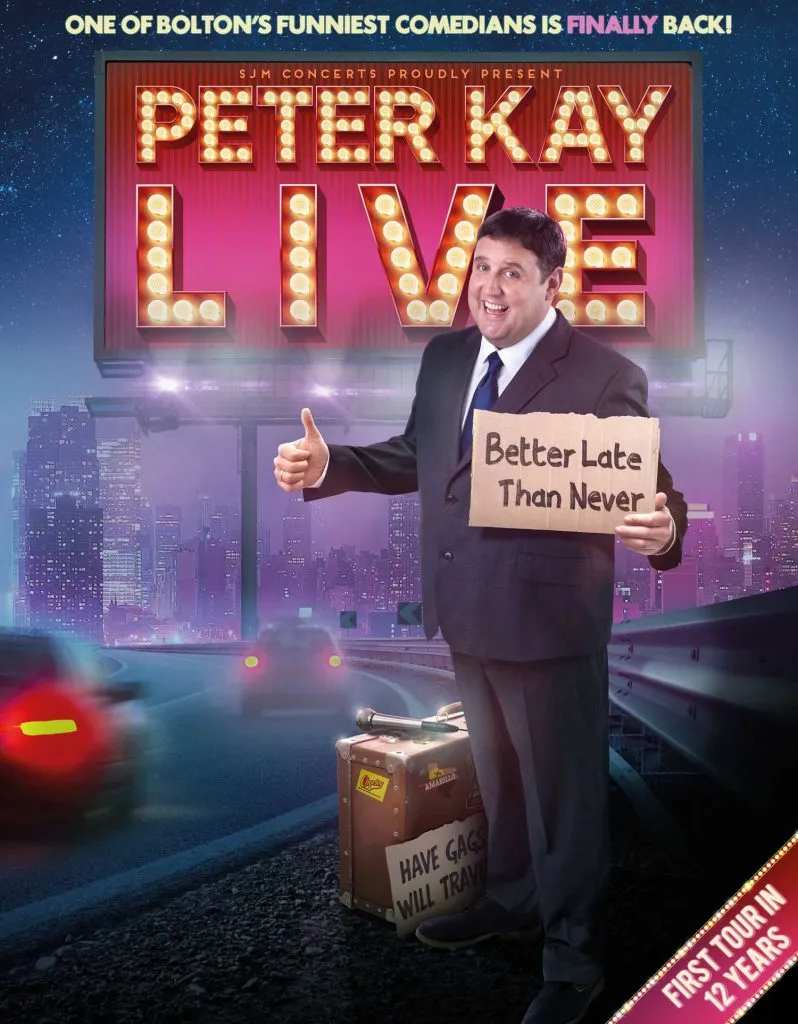 Photo: Peter Kay, via perfected-designs.com
The Emotional Archaeology
The most startling revelations come from shows that initially seemed lightweight. Teachers, for instance, appeared to be a straightforward workplace drama about education, but rewatching reveals a complex examination of idealism meeting institutional failure. Characters who seemed like simple archetypes — the burned-out veteran, the enthusiastic newcomer, the cynical administrator — reveal themselves as fully realised people struggling with genuinely difficult moral choices.
Even Gavin & Stacey operates on multiple levels. The surface comedy of cultural clash between Essex and Wales masks a deeper story about how relationships survive the transition from courtship to commitment, how families absorb new members, and how love actually works when the initial excitement wears off.
The Maturity Factor
Perhaps the most profound shift comes with shows like This Life, which seemed edgy and aspirational when you were younger but now reads as a cautionary tale about ambition without purpose. The characters' relentless pursuit of career success and sexual conquest initially felt exciting; revisited through older eyes, it looks exhausting and ultimately hollow.
Similarly, Coupling transforms from a cheeky relationship comedy into a surprisingly astute examination of how people in their twenties and thirties actually navigate modern dating. Steve's neuroses stop being cute character quirks and start looking like genuine anxiety disorders that need addressing.
The Revelation
The real genius of British television lies in this capacity for reinvention through repetition. Our writers understand that life is a series of stages, each offering different perspectives on the same fundamental experiences. They craft shows that function as time-release capsules, gradually revealing their deeper meanings as viewers accumulate the life experience necessary to decode them.
So next time you're scrolling through streaming services wondering what to watch, consider reaching for something familiar instead of something new. That box set you loved a decade ago isn't just offering nostalgia — it's offering wisdom. And in a world where everything moves at breakneck speed, there's something deeply comforting about discovering that the best British television gets better with age, much like a good wine or a properly aged cheese.
Just don't expect to laugh at all the same bits. Some things that seemed hilarious at 25 might make you wince at 35. But that's rather the point, isn't it?