When Three Notes Hit Harder Than Heartbreak: The Accidental Genius of British Telly's Musical DNA

The Pavlovian Response of Peckham
There's something deeply unsettling about the power a few bars of music can hold over an entire nation. Play the opening notes of Only Fools and Horses in any British pub, and watch as forty-something blokes suddenly develop misty eyes and start muttering about 'this time next year, we'll be millionaires.' It's not nostalgia — it's something more primal, like emotional muscle memory that's been hardwired into our collective unconscious.
British television theme tunes operate as sonic time machines, but their creators never intended to build such powerful devices. Most were knocked together in dingy studios by composers who were paid buttons and given impossible deadlines. The EastEnders doof-doof — arguably the most recognisable sound in British culture after Big Ben — was created by Simon May and Leslie Osborne in a matter of hours. They had no idea they were crafting what would become the auditory equivalent of a national monument.
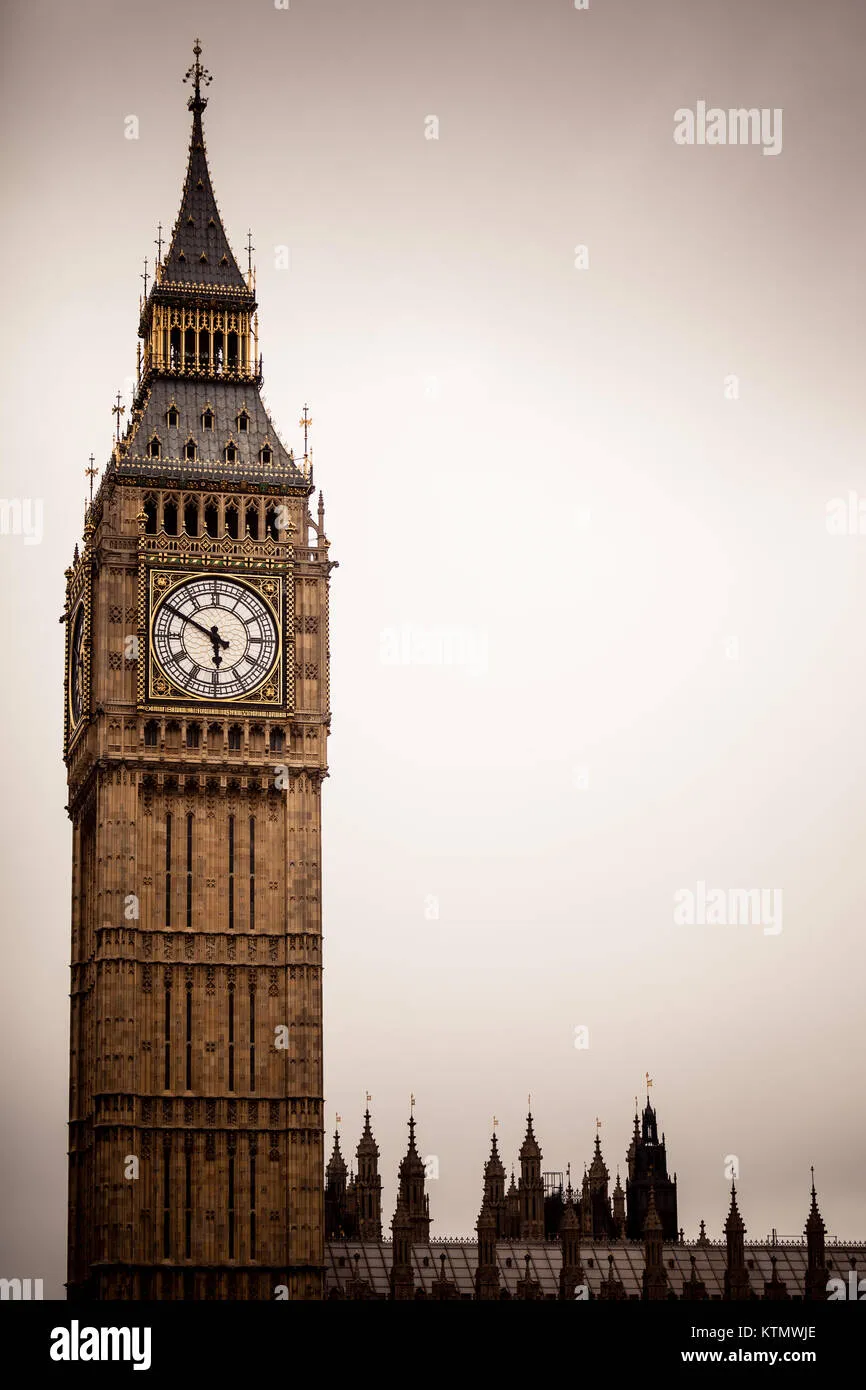 Photo: Big Ben, via c8.alamy.com
The Accidental Anthropologists
What makes British TV themes so uniquely potent isn't their musical sophistication — though many are genuinely brilliant — but their uncanny ability to capture the essence of their shows in pure sound. The Coronation Street cornet doesn't just play a tune; it somehow encapsulates seventy years of northern grit, family feuds, and the comforting predictability of the Rovers Return. It's anthropology disguised as entertainment.
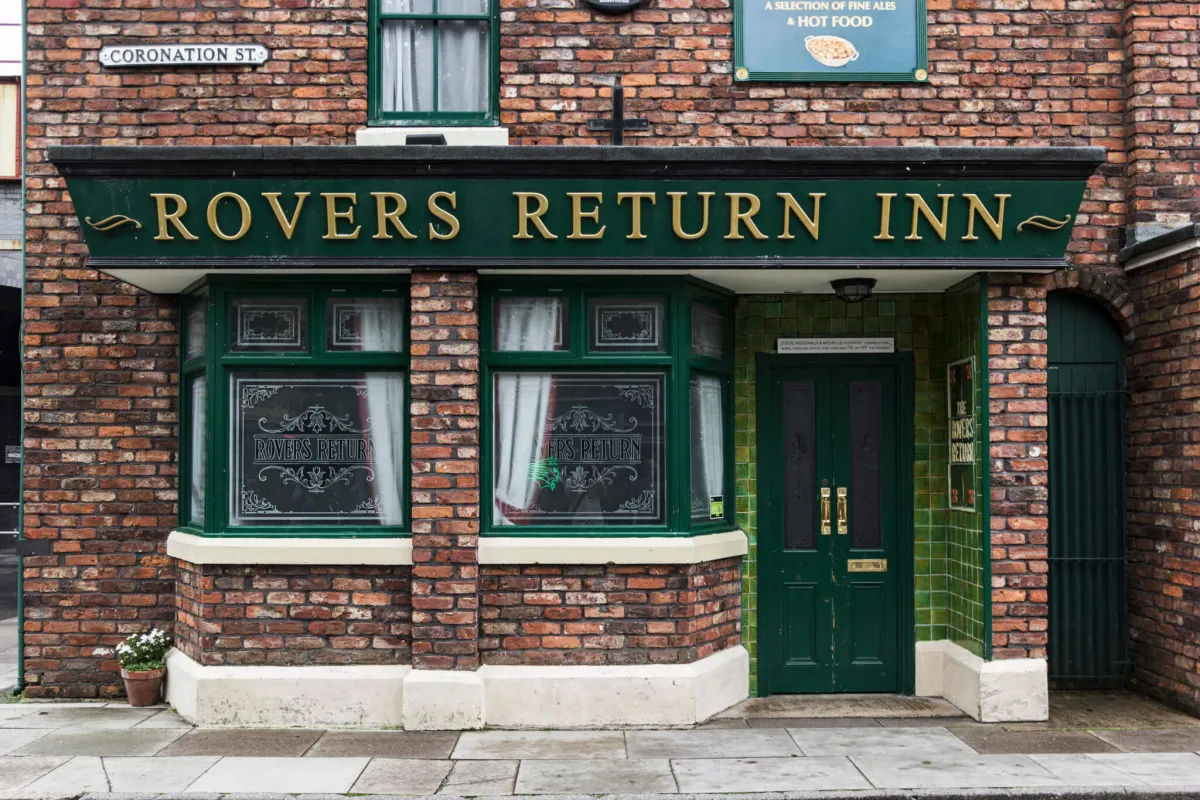 Photo: Rovers Return, via i0.wp.com
Consider the genius of Doctor Who's theme, originally arranged by Delia Derbyshire at the BBC Radiophonic Workshop. Created using primitive electronic equipment and tape loops, it sounds like the future as imagined by someone who'd never seen a computer. Yet it perfectly captures the show's essence: otherworldly, slightly unsettling, but fundamentally British in its eccentric brilliance.
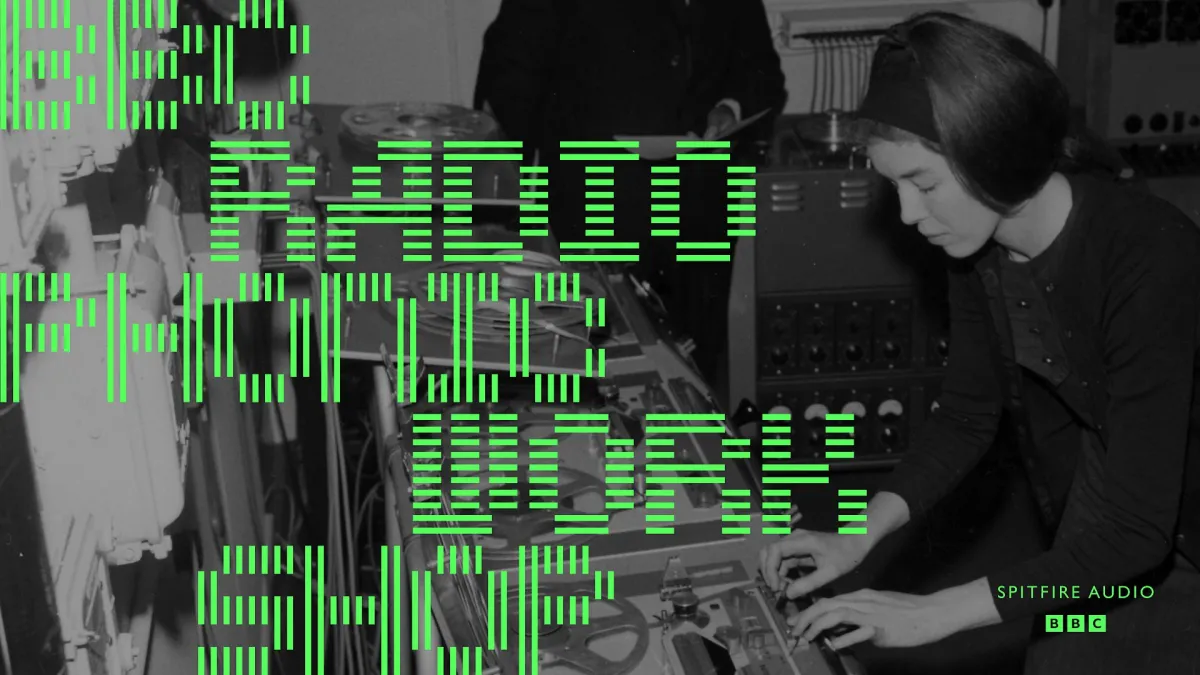 Photo: BBC Radiophonic Workshop, via ichef.bbci.co.uk
The Comfort Zone Orchestra
These musical snippets have become the soundtrack to British domesticity itself. The Neighbours theme tune — technically Australian but adopted wholesale by British audiences — signals the end of the school day for generations of viewers. Emmerdale's pastoral melody evokes a Yorkshire that exists more in our collective imagination than reality. Match of the Day's bombastic fanfare transforms Saturday evenings into communal celebrations of sporting disappointment.
The composers behind these themes rarely get the credit they deserve. They're the unsung architects of our emotional landscape, yet most people couldn't name them if their lives depended on it. Mike Post, who created the Hill Street Blues theme that influenced countless British cop shows, once described TV composers as 'the guys who write the songs everyone knows but no one knows who wrote them.'
When Familiarity Breeds Content
What's fascinating is how these themes have survived the streaming revolution. In an era where viewers can skip intros with a single button press, British audiences still sit through the full Sherlock orchestral crescendo or let the Peaky Blinders theme play out in all its moody glory. There's something about these musical moments that feels sacred, untouchable.
Perhaps it's because they represent the last vestige of communal television experience. In a fragmented media landscape where everyone's watching something different, these themes remain shared cultural touchstones. They're the musical equivalent of a national language — instantly recognisable, emotionally loaded, and utterly, distinctly British.
The Legacy of the Loop
The true test of a great TV theme isn't whether it sounds good — it's whether it becomes impossible to unhear. The Casualty theme has been drilling itself into British brains since 1986, creating a Pavlovian response where dramatic orchestral stabs now equal medical emergencies. The Question of Sport theme can turn any living room into a quiz show battleground with just a few bars.
These weren't calculated cultural interventions — they were accidents of timing, budget constraints, and deadline pressures that somehow crystallised into pure televisual gold. The composers were just trying to make ends meet and create something that wouldn't embarrass them. Instead, they accidentally scored the emotional wallpaper of British life, creating musical moments that feel as essential as breathing and as comforting as a proper cup of tea.
In an age of algorithmic playlists and personalised soundtracks, there's something beautifully democratic about the shared experience of recognising a TV theme within three notes. It doesn't matter if you're eight or eighty, from Cornwall or Caithness — when those familiar melodies kick in, you're part of the same vast, invisible audience that stretches across decades and postcodes. That's not just good television — that's accidental genius.