Proper Voices: The Regional Heroes Who Refused to Sound Like BBC Newsreaders
The Great Accent Revolution
Once upon a time, if you wanted to present anything more serious than the weather on British television, you needed to sound like you'd swallowed a dictionary and gone to school with the Queen's corgis. The BBC's received pronunciation was the golden standard, and regional accents were about as welcome on primetime as a vegetarian option at a medieval banquet.
Thankfully, those days are deader than disco, and British television is all the richer for it. Today's presenting landscape is a glorious cacophony of regional voices, each bringing their own flavour to our screens. It's taken decades, but we've finally realised that authenticity trumps affectation every single time.
The Geordie Pioneers
Ant and Dec deserve a special place in the regional accent hall of fame. When these two Geordie lads first bounced onto our screens in the '90s, their unmistakable Newcastle twang was refreshingly different from the standard presenting fare. They could have easily been told to tone it down, but instead they leaned into their roots and became the most successful presenting double act in British television history.
Their success paved the way for other Geordie voices like Denise Welch on Loose Women, who brings that distinctive North East directness that cuts through television waffle like a hot knife through butter. There's something about the Geordie accent that suggests both warmth and no-nonsense honesty – perfect qualities for television presenting.
Sara Cox represents the best of Lancashire broadcasting, bringing her Bolton accent and irreverent humour to everything from Radio 1 to Bake Off spin-offs. She's proof that you don't need to sound like you've spent your life in the Home Counties to connect with a national audience.
Scouse Superiority
Liverpool has given us some absolute legends in the presenting game. Cilla Black was perhaps the first major star to make her Scouse accent a selling point rather than something to hide. Her warmth and authenticity made Blind Date and Surprise Surprise into national institutions, proving that viewers responded to genuine personality over polished presentation.
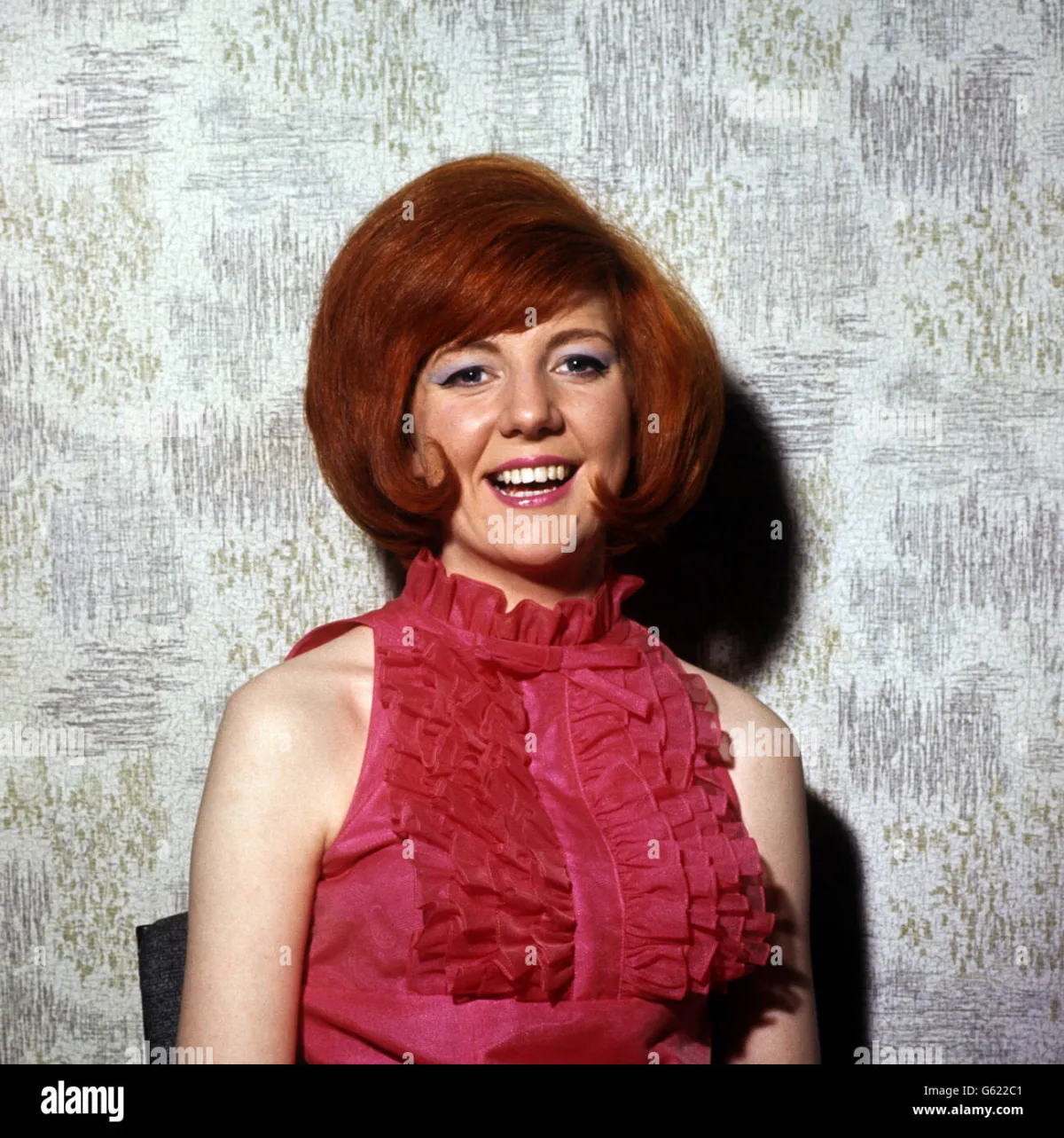 Photo: Cilla Black, via www.alamy.com
More recently, Paddy McGuinness has carried the Scouse torch with his work on Take Me Out and Top Gear. His accent is so distinctively Liverpool that you can practically hear the Mersey ferry in the background, and it's exactly what makes him so relatable and watchable.
Scottish Sensations
Lorraine Kelly has been brightening our mornings for decades with her warm Scottish tones. Her accent isn't just a quirky characteristic – it's fundamental to her appeal. There's something about her Dundonian delivery that makes even the most mundane celebrity interview feel like a chat with your favourite aunt.
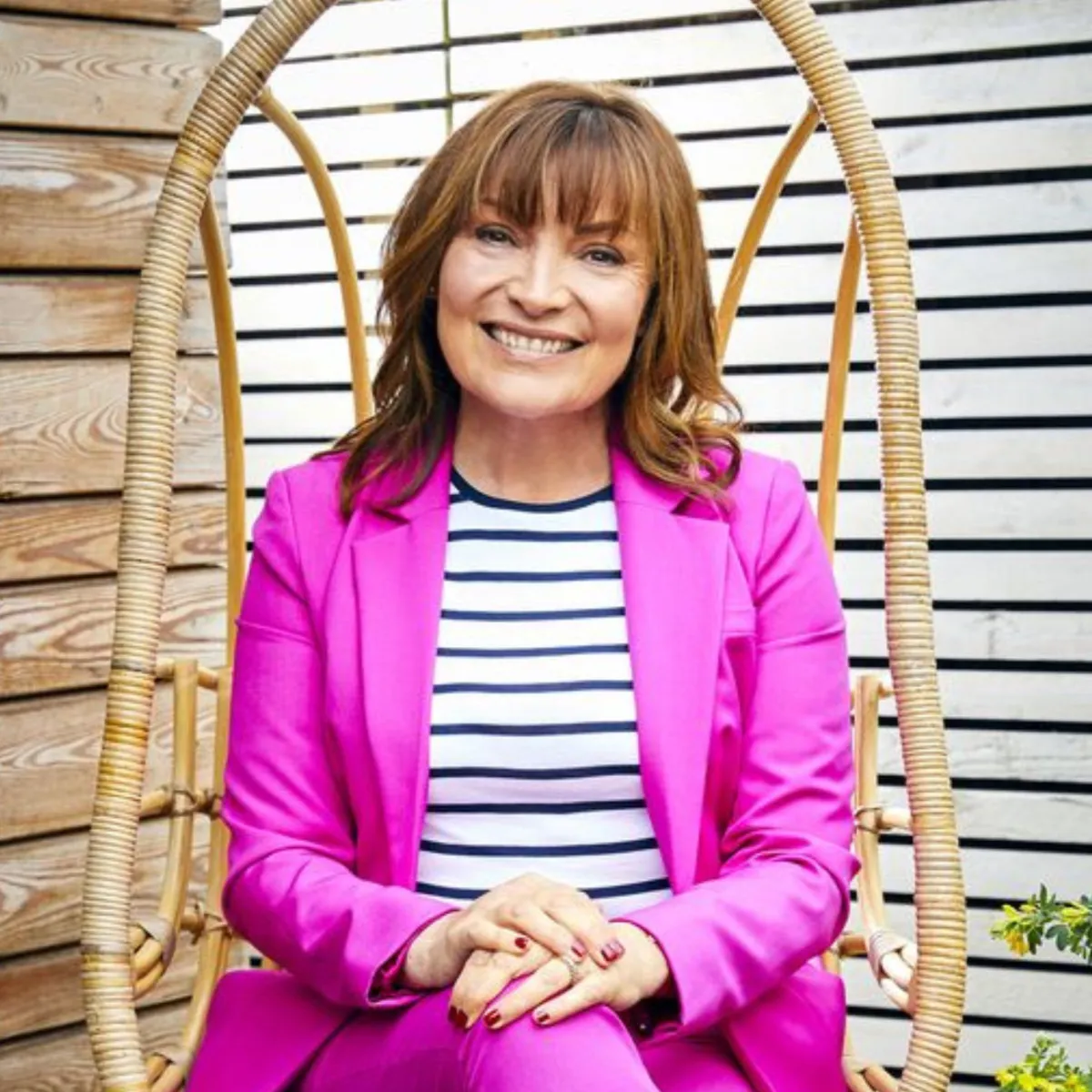 Photo: Lorraine Kelly, via uploads-ssl.webflow.com
Susan Calman brings Scottish wit and self-deprecation to everything she touches, from The Great British Bake Off spin-offs to her own talk show. Her Glasgow accent carries an inherent humour that makes her the perfect choice for comedy panel shows and light entertainment.
The Welsh Wonders
Wales has punched well above its weight in the presenting stakes. Huw Edwards brought gravitas and authority to BBC News with his distinctive Welsh accent, proving that you don't need to sound like a Home Counties headmaster to deliver serious journalism.
Alex Jones on The One Show represents the perfect blend of Welsh warmth and professional competence. Her Cardiff accent makes her instantly likeable and approachable, which is exactly what you want in a magazine show presenter.
Midlands Magic
The Midlands might not get as much love as other regions, but it's produced some brilliant presenting talent. Adrian Chiles brought his Black Country accent to everything from Match of the Day 2 to Daybreak, proving that you don't need to sound like you're from London to front major programmes.
Kate Garraway represents the best of Yorkshire broadcasting, bringing her Bradford background to Good Morning Britain with a mix of warmth and professionalism that's distinctly Northern.
Why Regional Voices Matter
This isn't just about celebrating diversity for its own sake – regional accents on television serve a genuinely important purpose. They make broadcasting more representative of the country it's supposed to serve. When everyone on television sounds the same, it sends a subtle but powerful message about whose voices matter and whose don't.
Regional accents also bring authenticity to television presenting. There's something inherently more trustworthy about someone who hasn't modified their voice to fit in. It suggests they're comfortable with who they are, which makes viewers more comfortable with them too.
The Modern Landscape
Today's television landscape is unrecognisable from the received pronunciation monopoly of the past. Shows like Love Island actively seek out contestants with strong regional accents because they know it makes for better television. The most successful YouTubers and TikTok stars often have distinctly regional voices, and traditional broadcasters are finally catching up.
This shift reflects a broader change in British culture. We've moved away from the idea that there's one "correct" way to speak English, and television has been both a driver and beneficiary of that change. Regional accents are no longer something to be ashamed of or to hide – they're a source of pride and authenticity.
The Future Sounds Bright
As we look to the future, it's clear that the trend towards regional representation on television will only continue. The next generation of presenters is growing up in a world where their local accent is an asset, not a liability. That can only be good news for the richness and diversity of British broadcasting.
After all, Britain is a country of remarkable linguistic diversity, and our television should reflect that. From the rolling hills of Yorkshire to the bustling streets of Birmingham, every region has its own voice – and it's about time they were all heard on our screens.