The Cruel Pause: How British Telly Learned to Love Leaving Us Hanging
The Agony and the Ecstasy of Waiting
Picture this: you've just watched the most jaw-dropping cliffhanger since Bobby Ewing stepped out of that shower in Dallas. Your favourite detective has been shot, the Love Island villa is in meltdown, or someone's just revealed they're actually their own evil twin. You reach for the remote, ready to dive straight into the next episode and... nothing. The screen goes black. "To be continued in three weeks."
 Photo: Bobby Ewing, via c8.alamy.com
Welcome to the modern British television experience, where the mid-season break has become as much a part of our viewing habits as complaining about the licence fee. Gone are the days when a series would run for six or eight weeks straight, like a reliable bus service. Now, British broadcasters have embraced the American model of splitting seasons in half, leaving audiences dangling like a Christmas decoration in February.
The Great British Waiting Game
The BBC started this trend with their bigger dramas, but it's spread faster than gossip in a Weatherfield pub. Line of Duty famously tortured viewers with weeks-long gaps between episodes during its later series, while ITV has made an art form of splitting Love Island into multiple chunks throughout the year. Even our beloved baking programmes aren't immune – The Great British Bake Off has experimented with mid-series breaks that leave us wondering if Paul Hollywood's handshake will ever return.
 Photo: Paul Hollywood, via static.independent.co.uk
But why are they doing this to us? The cynical answer is that it's all about the money, darling. By stretching a series across more weeks, broadcasters can charge advertisers premium rates for longer periods. It's like having your cake and eating it too, except the cake is served one crumb at a time over several months.
There's also the small matter of competition. In a world where Netflix drops entire series at once, traditional broadcasters are fighting to keep viewers coming back. A mid-season break forces audiences to remember your show exists, theoretically keeping it in the cultural conversation longer than a quick binge-and-forget scenario.
The Stockholm Syndrome of Series Splits
Here's where it gets interesting though – some shows actually benefit from these enforced pauses. Take Succession (okay, it's American, but bear with us). The gaps between episodes allowed viewers to digest the complex plotting and theorise about what Logan Roy would do next. Similarly, when BBC's Bodyguard took a breather mid-series, social media went into overdrive with conspiracy theories that probably made the eventual revelation more satisfying.
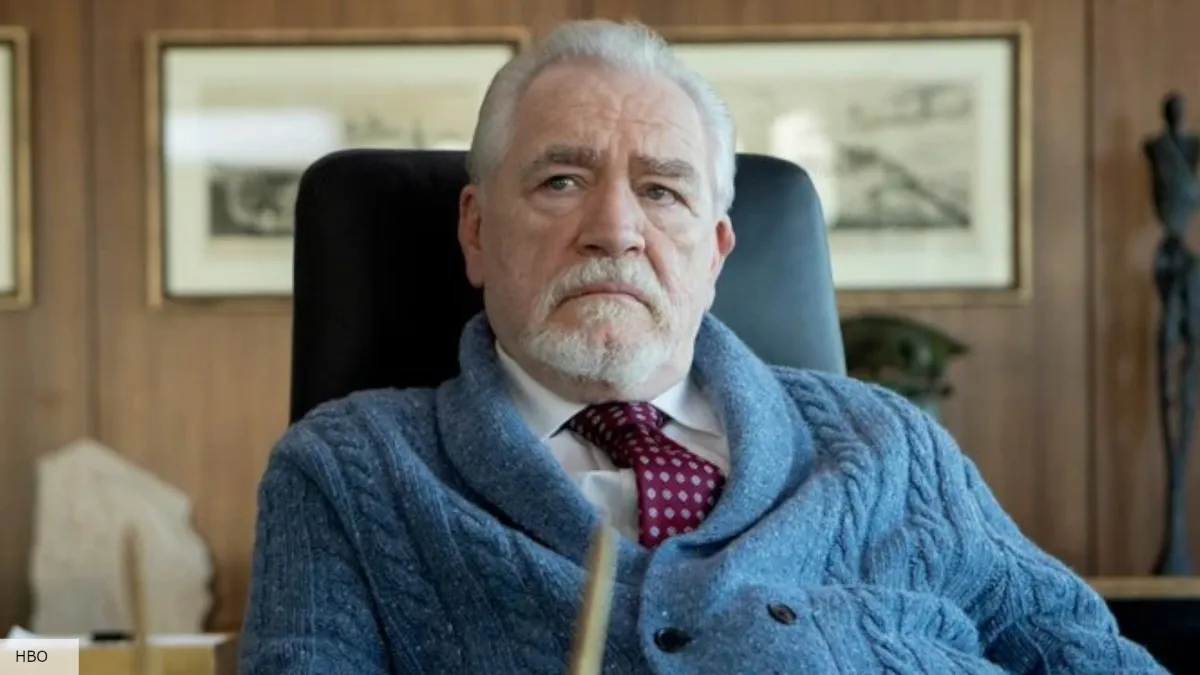 Photo: Logan Roy, via www.thedigitalfix.com
The break can work particularly well for mystery dramas where the audience enjoys playing detective. Shows like The Traitors practically depend on viewer speculation between episodes – though admittedly, waiting a week feels very different from waiting a month.
When Breaks Become Breakdowns
But for every success story, there's a cautionary tale of a show that lost momentum during its hiatus. Remember when everyone was obsessed with a particular drama, only to return after the break and find that half the audience had wandered off to watch something else? It's the television equivalent of leaving a party to get some fresh air and coming back to find everyone's gone home.
The problem is particularly acute for reality TV. Love Island might survive a mid-series break because the format is essentially indestructible, but smaller reality shows often struggle to recapture their audience after an extended pause. Viewers' attention spans aren't what they used to be, and there's always something new and shiny waiting in the wings.
The Streaming Service Dilemma
Meanwhile, the streaming services are laughing all the way to the bank. Netflix, Amazon Prime, and Disney+ have trained us to expect instant gratification. Why wait three weeks for the next episode of a BBC drama when you could binge an entire series of something else tonight?
This has created a bizarre two-tier system where traditional broadcasters are trying to have it both ways – maintaining the appointment-to-view television model while competing with platforms that have fundamentally rejected that concept. It's like trying to run a horse and cart race against Formula One cars.
The Verdict: Necessary Evil or Cruel Experiment?
So, are mid-season breaks the future of British television or a desperate attempt to cling to the past? The truth probably lies somewhere in between. For event television – the big dramas that get the nation talking – a well-timed break can build anticipation and enhance the viewing experience. For everything else, it feels like broadcasters are testing just how much inconvenience audiences will tolerate.
The real test will be whether British viewers continue to put up with these scheduling shenanigans or whether they'll simply migrate wholesale to platforms that respect their time. After all, we might love a good queue, but even British patience has its limits.
Until then, we're stuck in television purgatory – forever waiting for the next episode, forever wondering if the wait will be worth it, and forever reaching for our phones to fill the agonising gap between cliffhanger and resolution. It's enough to drive anyone to actually read a book instead.
But then again, where's the fun in that?