Dark Arts: Why British TV's Villains Are Stealing Every Scene (And We're Here for It)
Dark Arts: Why British TV's Villains Are Stealing Every Scene (And We're Here for It)
Something deliciously wicked has happened to British television, and it's time we acknowledged it: the villains have won. Not just in their fictional worlds, but in the real battle for our attention, our sympathy, and our genuine investment in their stories.
While heroes lumber through predictable character arcs with the charisma of a damp Yorkshire pudding, the antagonists are getting all the juicy dialogue, the complex motivations, and frankly, the better costume budgets. British viewers have quietly stopped rooting for the good guys, and television is absolutely thriving because of it.
The Charisma Vacuum at the Centre
When did protagonists become so bloody boring? Take any recent British crime drama and chances are you'll find a stoic detective with daddy issues facing off against a charismatic psychopath who quotes Nietzsche while committing elaborate murders. Guess which character you'll be discussing at work the next day?
The formula has become so predictable it's almost satirical: virtuous hero struggles with personal demons while brilliant villain chews scenery and steals hearts. Yet somehow, this imbalance has created some of the most compelling television Britain has ever produced.
Look at Killing Eve. Villanelle wasn't just more interesting than Eve — she was more interesting than everyone else combined. While Eve fumbled through moral quandaries and marital problems, Villanelle was serving looks, serving murders, and serving the kind of unhinged energy that made Sunday nights appointment television.
The Morally Grey Gold Mine
British writers have discovered that moral ambiguity is box office gold, and they're mining that seam for all it's worth. The days of clear-cut good versus evil are dead and buried, replaced by a spectrum of grey that's infinitely more interesting to explore.
Line of Duty perfected this formula by making corruption so endemic that viewers stopped trusting anyone in a uniform. The real villains weren't the obvious criminals but the bent coppers, the corrupt officials, and the system itself. When everyone's potentially compromised, traditional heroism becomes impossible.
Similarly, Succession gave us a family of absolute monsters, yet somehow made us invested in their power struggles and petty vendettas. There wasn't a single genuinely likeable character in the entire show, yet it became compulsive viewing precisely because everyone was varying degrees of awful.
The Hannibal Lecter Effect
British television has fully embraced what cinema learned decades ago: audiences love a charming psychopath. There's something irresistibly magnetic about intelligence without conscience, wit without warmth, and style without substance.
Sherlock weaponised this principle by making its protagonist borderline sociopathic. Benedict Cumberbatch's Holmes wasn't a traditional hero — he was an arrogant, manipulative genius who happened to solve crimes. The show's most compelling moments came when it explored the thin line between detective and criminal mastermind.
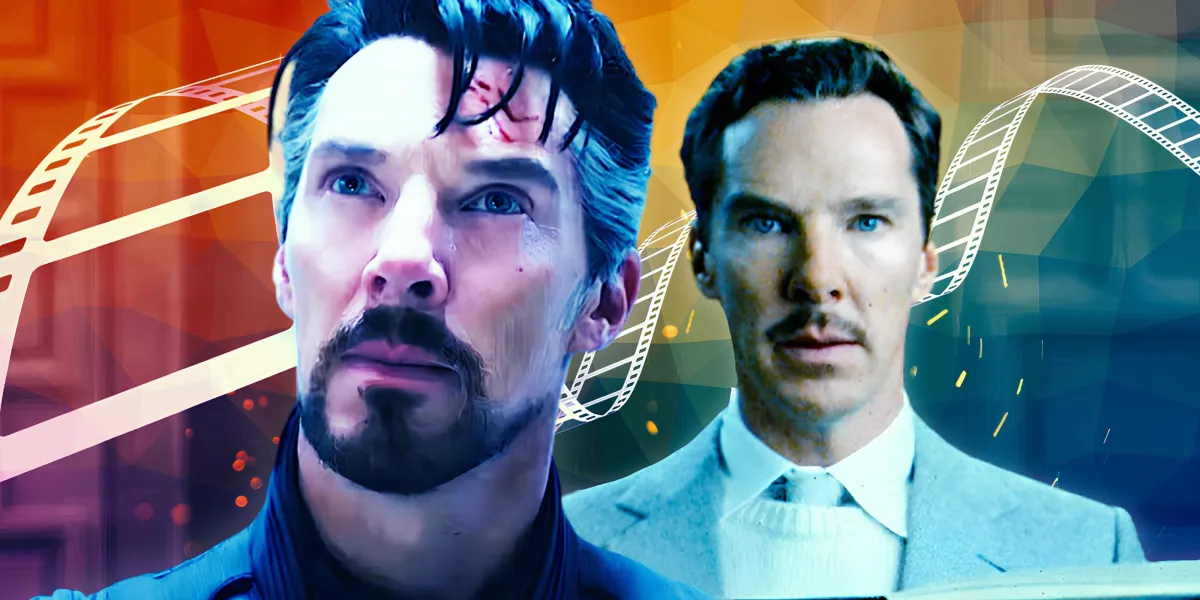 Photo: Benedict Cumberbatch, via static1.srcdn.com
Even more traditional crime shows have caught on. Happy Valley gives us Catherine Cawood, a protagonist so damaged and rage-filled that she's essentially an anti-hero fighting actual villains. The moral complexity makes every confrontation more interesting than simple good-versus-evil storytelling ever could.
The Wardrobe Wars
Let's talk about something shallow but significant: villains get better clothes. While heroes trudge around in practical anoraks and sensible shoes, antagonists are draped in designer everything, commanding rooms with their presence before they even speak.
Peaky Blinders understood this instinctively. Tommy Shelby wasn't a hero by any traditional definition — he was a violent criminal with PTSD and a razor blade in his cap. But he looked absolutely magnificent doing terrible things, and that visual appeal became part of the character's magnetic pull.
The same principle applies across British television. Villains get the sharp suits, the dramatic lighting, and the kind of memorable visual moments that spawn a thousand memes. Heroes get... well, heroes get to look heroic, which apparently means "forgettable."
The Complexity Advantage
Heroes are constrained by heroism. They can't be too selfish, too cruel, or too interesting without undermining their fundamental role as moral centres. Villains, however, can be absolutely anything — charming, brilliant, tragic, hilarious, or utterly incomprehensible — as long as they're compelling.
This creative freedom has led to some of British television's most memorable characters. Fleabag's protagonist was selfish, destructive, and morally questionable, yet became one of the most beloved characters in recent memory precisely because she was allowed to be flawed in interesting ways.
The Crown similarly benefits from focusing on morally complex characters rather than traditional heroes. The Royal Family aren't heroes or villains — they're people trapped in an impossible system, making difficult choices with far-reaching consequences.
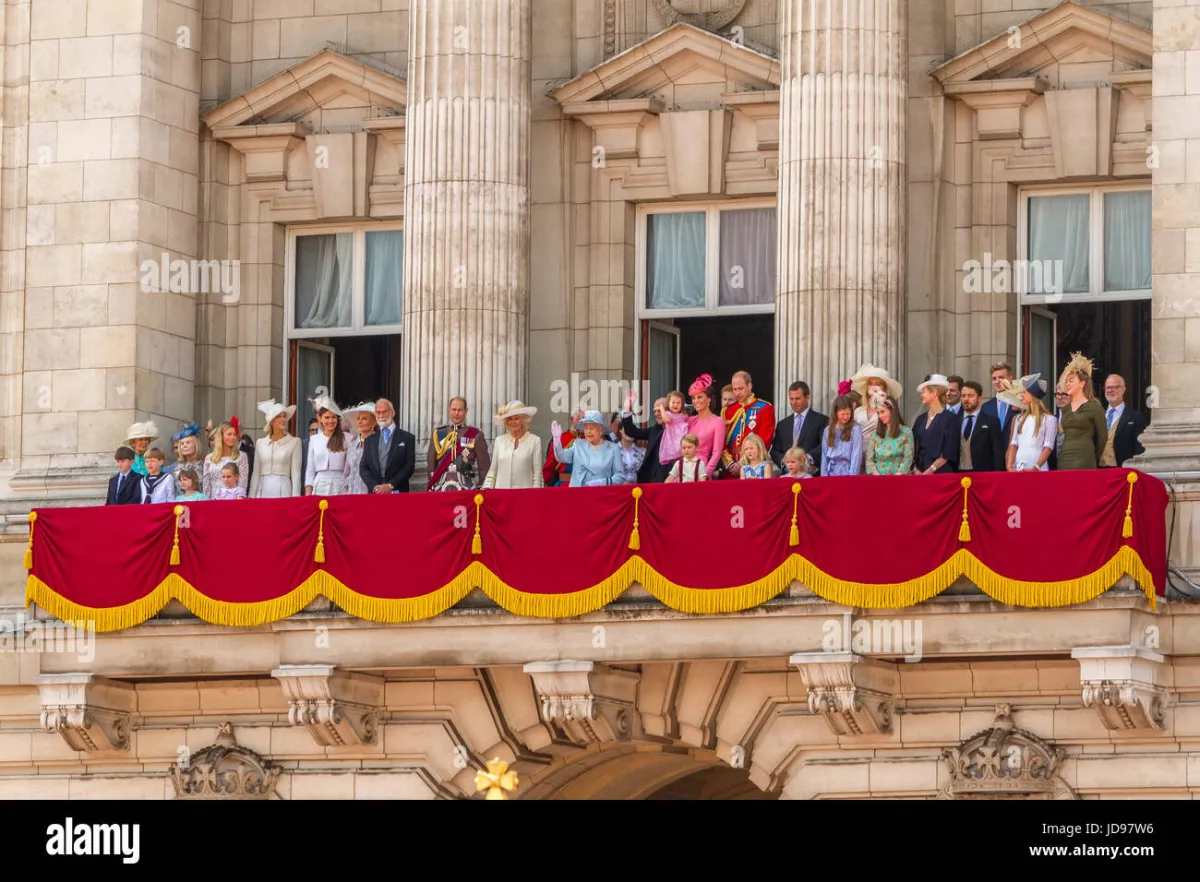 Photo: Royal Family, via c8.alamy.com
The Sympathy Factor
Modern British television has mastered the art of making villains sympathetic without excusing their actions. The best antagonists aren't evil for evil's sake — they're people who've made understandable choices that led them down dark paths.
This Is England '90 gave us characters who were simultaneously victims and perpetrators, products of their environment who nonetheless chose violence and hatred. The show didn't excuse their behaviour, but it helped viewers understand how ordinary people become monsters.
This nuanced approach to villainy has created a generation of complex antagonists who feel real in ways that traditional heroes often don't. When villains have relatable motivations, heroes need to be equally complex to compete for audience attention.
The Performance Paradox
Actors know where the good material is, and increasingly, that's on the dark side. Villain roles offer the kind of meaty, challenging performances that win awards and launch careers. Heroes, meanwhile, often feel like afterthoughts in their own stories.
This has created a feedback loop where the best British actors gravitate towards antagonist roles, further widening the quality gap between heroes and villains. When Olivia Colman can play a manipulative queen or a grieving mother with equal brilliance, why would she choose the thankless hero role?
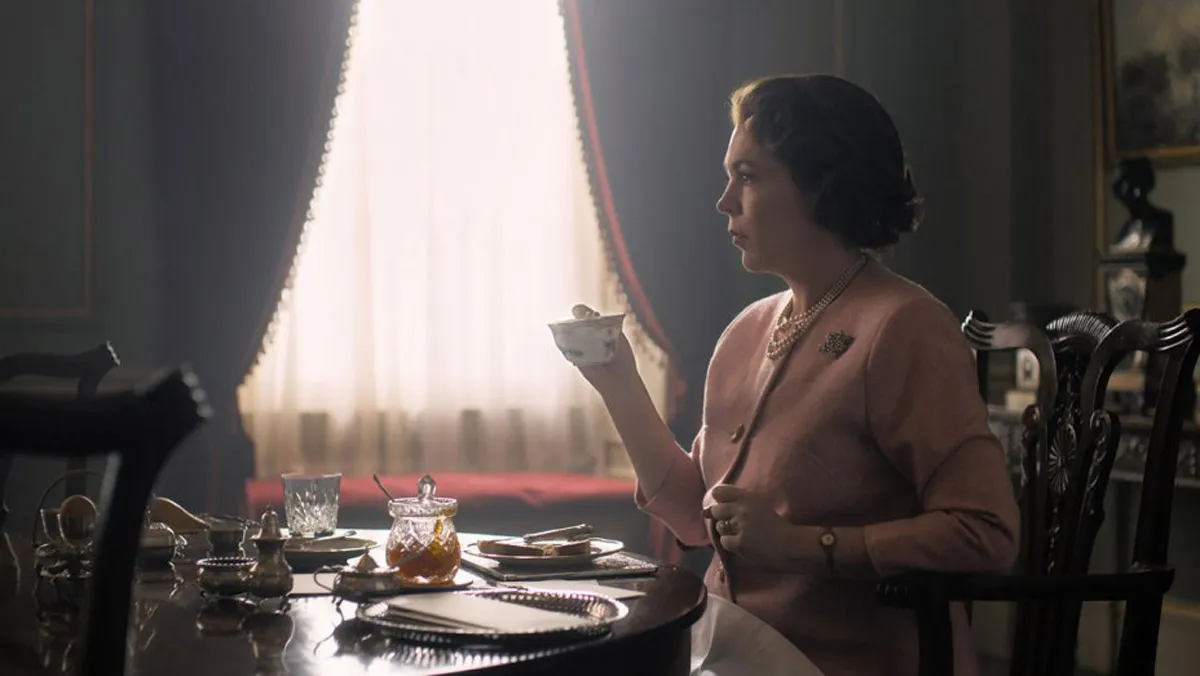 Photo: Olivia Colman, via i2.wp.com
The Streaming Revolution
The rise of streaming platforms has accelerated this trend by freeing creators from traditional broadcasting constraints. Without the need to maintain long-term audience sympathy for protagonists across multiple seasons, writers can explore darker themes and more complex character dynamics.
Black Mirror epitomises this approach by often making protagonists complicit in their own downfall. The show's most effective episodes blur the line between victim and villain so thoroughly that traditional moral frameworks become meaningless.
The Future of British Villainy
As British television continues to evolve, the trend towards complex antagonists shows no signs of slowing. Audiences have developed sophisticated tastes for moral ambiguity, and creators are responding with increasingly nuanced storytelling.
The question isn't whether villains will continue to dominate British screens — it's whether traditional heroism can evolve to compete. Perhaps the future lies not in clearer moral distinctions, but in embracing the grey areas where heroes and villains meet.
After all, in a world where reality is often stranger and more morally complex than fiction, perhaps our television villains are simply reflecting the times we live in. And if that's the case, we might as well enjoy the ride — preferably while wearing a really good suit and delivering devastating one-liners.
The dark side has never looked so appealing, and British television is all the better for embracing it.