Remote Possibilities: A Love Letter to the Dying Art of Aimless Channel Surfing
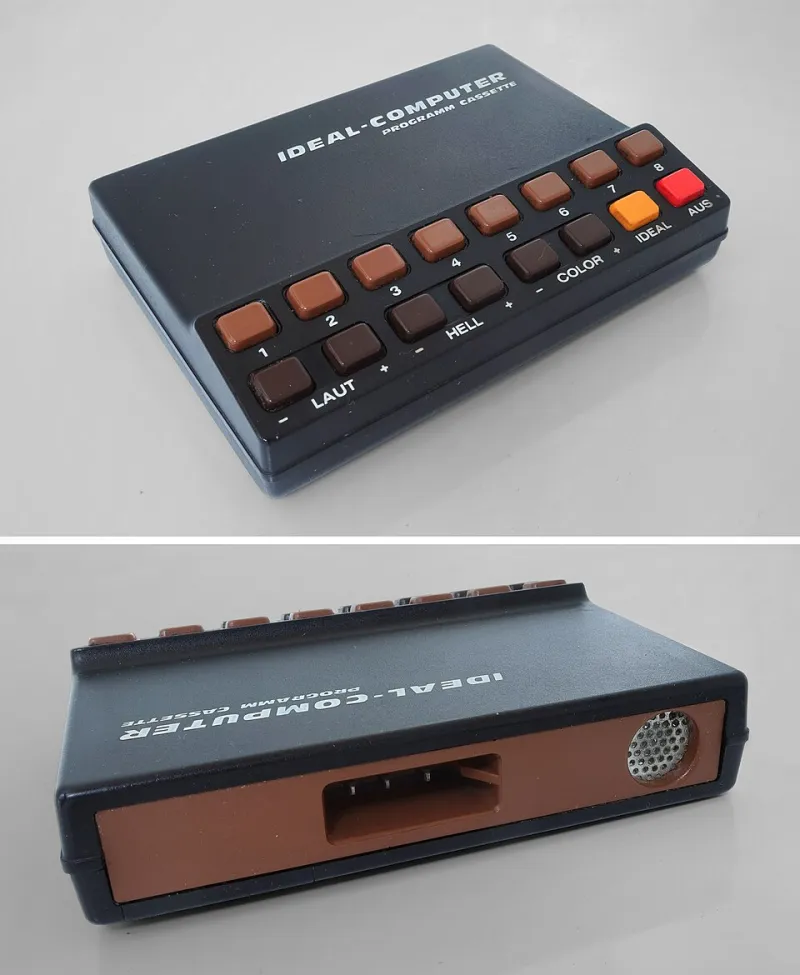
Photo: Kecko from Eastern Switzerland, CC BY 2.0, via Wikimedia Commons
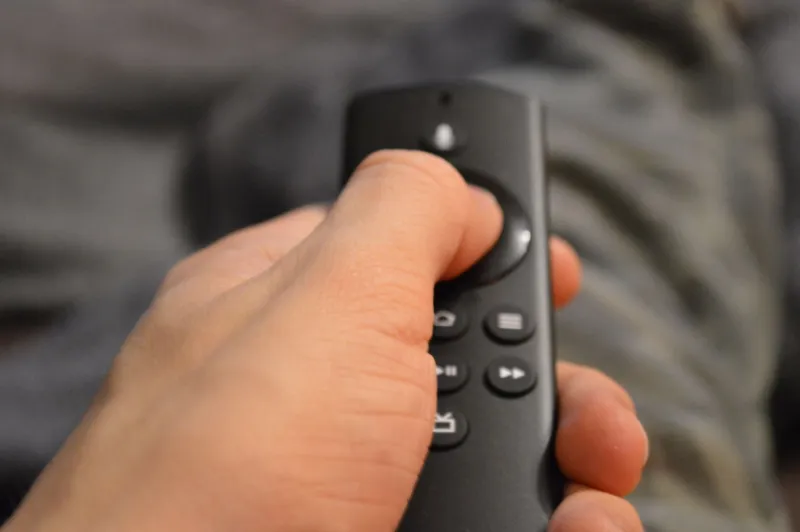
There was a very specific kind of magic that existed in British living rooms between roughly 1985 and 2010. It required no subscription, no algorithm, and absolutely no plan. You'd slump onto the sofa, grab the remote, and begin. Not looking for anything in particular. Not optimising your leisure time. Just... flicking. Endlessly, gloriously, pointlessly flicking.
The channel hop. Gone now, more or less. And honestly? We should be devastated.
The Archaeology of an Evening In
Let's paint the scene properly. It's a Thursday night. You've eaten. The washing up can wait (it always can). You fire up the telly and begin the ritual. BBC One: period drama you've missed four episodes of. Flip. ITV: someone crying on a talent show. Flip. Channel 4: a documentary about competitive cheese rolling that is, somehow, the most gripping thing you've ever seen. You stop. You watch. You are changed.
 Photo: BBC One, via images.seeklogo.com
That's the thing about channel hopping that nobody talks about enough — it was genuinely transformative. The shows that shaped us most were often the ones we never chose. They ambushed us. They caught us mid-biscuit, mid-yawn, mid-argument about whose turn it was to make the tea. And before we knew what was happening, we were four episodes into a repeat of Morse we'd technically already seen, or accidentally learning everything there is to know about deep-sea fish.
Streaming doesn't do that. Streaming asks you what you want and then gives it to you, which sounds generous until you realise it's also the most artistically limiting thing that's ever happened to television viewing.
The Algorithm Has No Sense of Humour
Here's what the Netflix recommendation engine will never understand: sometimes the best thing on telly is the thing you'd never in a million years search for. The obscure 1970s thriller that somehow fills a Wednesday evening perfectly. The repeat of a gameshow you vaguely remember from childhood that turns out to be hilarious in a way your adult brain wasn't expecting. The nature documentary that starts with meerkats and ends with you genuinely emotional about meerkats.
Algorithms are built on your history. They know what you watched last week, what you paused, what you rewound. They are, in the most polite possible way, incredibly boring about it. They optimise. They refine. They serve you an ever-narrowing corridor of content that feels personalised but is actually just a mirror — showing you yourself, endlessly, with slightly different thumbnails.
The channel hop, by contrast, was a lottery with tremendous odds. Yes, sometimes you'd land on something unwatchable. But sometimes — sometimes — you'd catch a film twenty-two minutes in that you'd never have actively chosen, and spend the rest of the night desperately trying to work out who the murderer was from context clues alone. That's not a bug. That's the entire point.
The Social Contract of the Shared Remote
Channel hopping was also, let's not forget, a deeply political act. The remote control was the most contested object in any British household. Whoever held it wielded genuine power, and the negotiations around its transfer were more complex than most international treaties.
There were rules, unspoken but absolute. You couldn't change channel mid-sentence during the news. You had to give anything new at least thirty seconds before dismissing it. And if someone was clearly enjoying something — even if they claimed not to be — the remote stayed put. These were the laws of the living room, and they governed an entire generation.
Streaming has dissolved all of that. Everyone's on their own screen now, watching their own carefully curated queue, utterly insulated from the possibility of discovering something they didn't already want. It's efficient. It's comfortable. It's also, if we're being honest, a little bit lonely.
What We Actually Lost
The channel hop gave British telly its communal texture. The reason your colleagues could quote the same obscure sketch from a late-night comedy show, the reason certain theme tunes became culturally embedded without anyone really trying — that was all the product of accidental viewing. You didn't seek out Shooting Stars or a random Horizon episode about black holes. It found you, mid-flick, and refused to let go.
There's something to be said, too, for the editorial judgment of a TV scheduler. Those people — often brilliant, occasionally baffling — were making decisions about what the nation needed to watch and when. They were programming for a shared experience. Sometimes they got it spectacularly wrong. But sometimes they got it so right that an entire country watched the same thing at the same time and felt, briefly, like one enormous, slightly bewildered family.
Freeview still exists, technically. The channels are still there. But the habit has largely evaporated, replaced by the infinite scroll and the autoplay queue. We've traded serendipity for convenience and called it progress.
A Modest Proposal for the Restless
Here's a radical suggestion: try it again. Not every night. Just once in a while. Put down the remote app, close the streaming tab, and actually flick through whatever's broadcasting live right now. Give each channel ten seconds. Be ruthless, be curious, be genuinely open to landing somewhere unexpected.
You might catch the last twenty minutes of a film you'll spend a week trying to identify. You might stumble into a cookery programme that makes you want to learn something new. You might, against all probability, end up watching snooker and finding it oddly meditative.
Or you might flip straight back to Netflix. That's fine too. But at least you'll have paid your respects to a lost art form — the beautiful, chaotic, irreplaceable channel hop — before the algorithm closes the door behind it for good.