The Lost Art of the Lucky Stumble: How Britain Fell Out of Love With Finding Telly by Accident
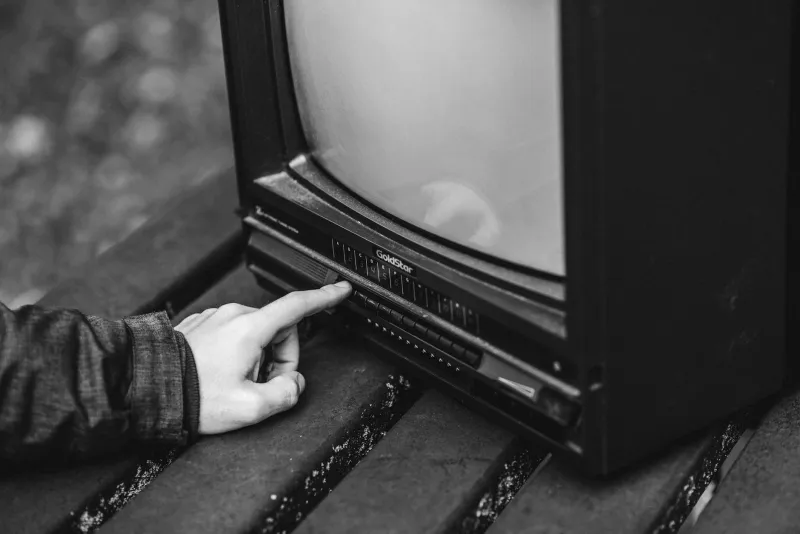
When Remote Controls Were Weapons of Mass Discovery
There was a time when the most dangerous object in any British household was the television remote control. Not because it could change channels – though that was revolutionary enough – but because in the wrong hands, it became an instrument of pure chaos. One misplaced thumb press could transport you from Coronation Street to The Crystal Maze, from Newsnight to some bizarre German documentary about competitive dog grooming that somehow became the most compelling thing you'd watched all week.
Those days feel as distant as dial-up internet and the idea that Michael McIntyre was funny. Today's viewing experience is so precisely curated, so algorithmically determined, that stumbling onto something unexpected feels like finding a £20 note in an old coat pocket – theoretically possible, but increasingly rare.
The Great Serendipity Massacre
Netflix's "Because you watched..." suggestions killed the art of accidental discovery with the efficiency of a Victorian workhouse. The platform's algorithm is so sophisticated it can predict what you want to watch before you know you want to watch it. It's like having a mind-reading butler who's always three steps ahead, anticipating your needs with slightly creepy accuracy.
But here's what the algorithm can't replicate: the pure joy of finding something brilliant that you had no business discovering. That magical moment when you're channel-hopping during ad breaks and stumble onto Time Team mid-dig, suddenly finding yourself emotionally invested in whether they'll find medieval pottery shards before Tony Robinson's enthusiasm reaches critical mass.
You can't algorithm your way into that kind of love affair. Netflix might know you enjoy period dramas, but it can't predict that you'll become obsessed with a 1990s archaeology programme purely because you caught it at exactly the right moment of boredom and curiosity.
The Channel 4 Roulette Years
Channel 4 in the 1990s was the undisputed champion of accidental discovery. Their programming schedule read like a fever dream – Japanese game shows at 2am, avant-garde European cinema at teatime, and documentaries about subjects so niche you weren't entirely sure they existed until you were watching them.
This was television as lucky dip. You might tune in expecting Friends and instead find yourself watching a French film about existential ennui in a Normandy bakery, subtitled in what appeared to be Comic Sans. By the end, you'd be emotionally devastated and somehow convinced that French cinema was your new passion.
The beauty of Channel 4's approach was its complete disregard for audience expectations. They programmed like they were running a particularly eccentric art gallery rather than a television channel, and the result was a constant stream of "How did I end up watching this?" moments that became "How did I live without this?" revelations.
The Death of the Sunday Afternoon Stumble
Sunday afternoons were the golden age of accidental television discovery. With limited channels and even more limited options, you were forced to make peace with whatever was on. This led to some of the most unlikely viewing partnerships in British television history.
Antiques Roadshow wasn't appointment television – it was something you endured while waiting for something better to start. Yet somehow, you'd find yourself genuinely invested in whether that Victorian chamber pot was worth £50 or £500. The show's genius wasn't in its format but in its ability to make you care about things you never knew existed.
The same principle applied to Songs of Praise. Nobody actively chose to watch hymns being sung in scenic British locations, yet millions did, because it was there, it was pleasant, and changing the channel required more effort than simply accepting your fate.
When Boredom Was a Feature, Not a Bug
Modern streaming services have declared war on boredom, treating every moment of unstimulated viewing as a failure to be corrected immediately. If you're not engaged within thirty seconds, the algorithm assumes you're unhappy and starts suggesting alternatives.
But boredom was the secret ingredient in television's greatest discoveries. It was the space between active choice and passive consumption where magic happened. You had to earn your entertainment by sitting through the dull bits, and that investment made the good bits feel even better.
University Challenge exemplified this perfectly. The show was simultaneously boring and compulsive, highbrow and ridiculous. You'd start watching because nothing else was on, gradually become invested in whether Corpus Christi Cambridge could beat Jesus College Oxford, and end up shouting answers at the television despite knowing you'd get maybe one question right if you were lucky.
The Streaming Paradox
Ironically, having infinite choice has made choosing harder, not easier. Netflix's homepage is a paralysing wall of options, each thumbnail desperately competing for your attention like a digital version of those annoying people who hand out flyers outside tube stations.
The old system was brutal in its simplicity: five channels, take it or leave it. This limitation forced both broadcasters and viewers to be more adventurous. Broadcasters had to programme for broad audiences, creating shows that could appeal to your gran and your teenager simultaneously. Viewers had to be more open-minded, because being picky meant spending your evening staring at Ceefax.
Bringing Back the Beautiful Accident
Some streaming services are trying to recreate the magic of accidental discovery through "shuffle" features and random episode generators. But these feel artificial, like trying to recreate the thrill of finding a hidden treasure by having someone hide it for you.
The real solution might be simpler: occasionally abandoning the algorithm altogether. Turn off Netflix, ignore the suggestions, and channel-hop like it's 1995. Or better yet, find a channel you never watch and commit to an hour of whatever's on.
You might discover your new favourite show, or you might waste an hour watching Bulgarian folk dancing. Either way, you'll have experienced something that no algorithm could have predicted – the simple pleasure of not knowing what comes next.
In a world of infinite choice, sometimes the most radical act is letting someone else choose for you. Even if that someone is the BBC's weekend afternoon programmer with a questionable obsession with railway documentaries.