From Background to Brilliant: The Unlikely Stars Who Hijacked British Telly
In the ruthlessly planned world of television production, where every character serves a specific narrative purpose and every line is carefully crafted, there exists a beautiful chaos: the accidental star. These are the characters who were never meant to matter, the background players who somehow stepped forward and stole the entire show. British television, with its keen eye for authentic eccentricity, has become particularly adept at creating these unintentional legends.
The Science of Screen Magnetism
What transforms a throwaway character into a cultural phenomenon isn't always predictable. Sometimes it's a perfectly delivered one-liner, other times it's an unexpected chemistry between actors, or simply the way someone holds themselves in frame. British audiences, perhaps more than any other, have an uncanny ability to spot authentic brilliance hiding in plain sight.
Take Roy from The IT Crowd. Originally conceived as a simple tech support stereotype, Chris O'Dowd's portrayal transformed Roy into a loveable slacker whose "Have you tried turning it off and on again?" became a national catchphrase. The writers quickly realised they'd struck gold and began building entire episodes around his character's peculiar worldview.
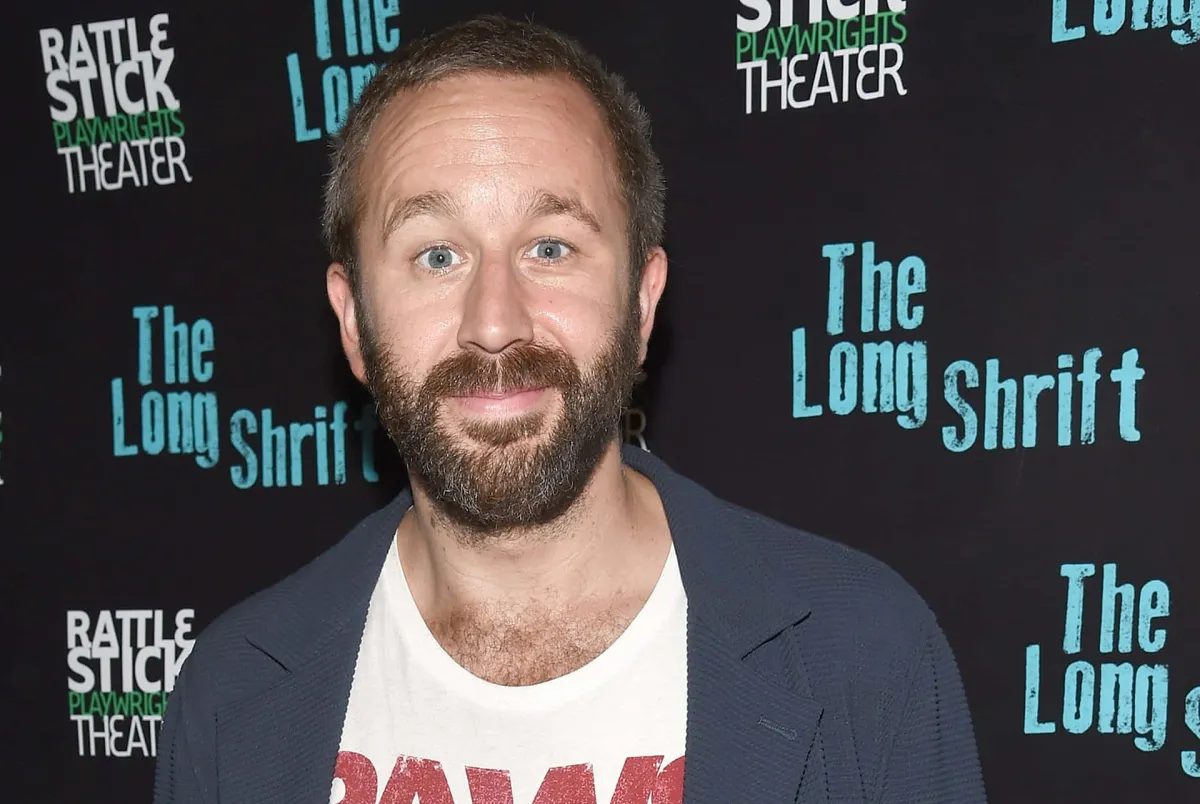 Photo: Chris O'Dowd, via wallpapers.com
The Coronation Street Phenomenon
Soap operas are particularly fertile ground for accidental stardom, largely because their long-running nature allows characters to evolve organically. Coronation Street has produced numerous examples of minor characters who grew into major players through sheer force of personality.
Roy Cropper, played by David Neilson, was initially introduced as a quirky café regular with obsessive-compulsive tendencies. The character was meant to appear in just a handful of episodes, but Neilson's nuanced performance and the audience's unexpected affection for Roy's gentle nature led to him becoming one of the soap's most enduring characters. Over two decades later, Roy's café serves as the emotional heart of Weatherfield.
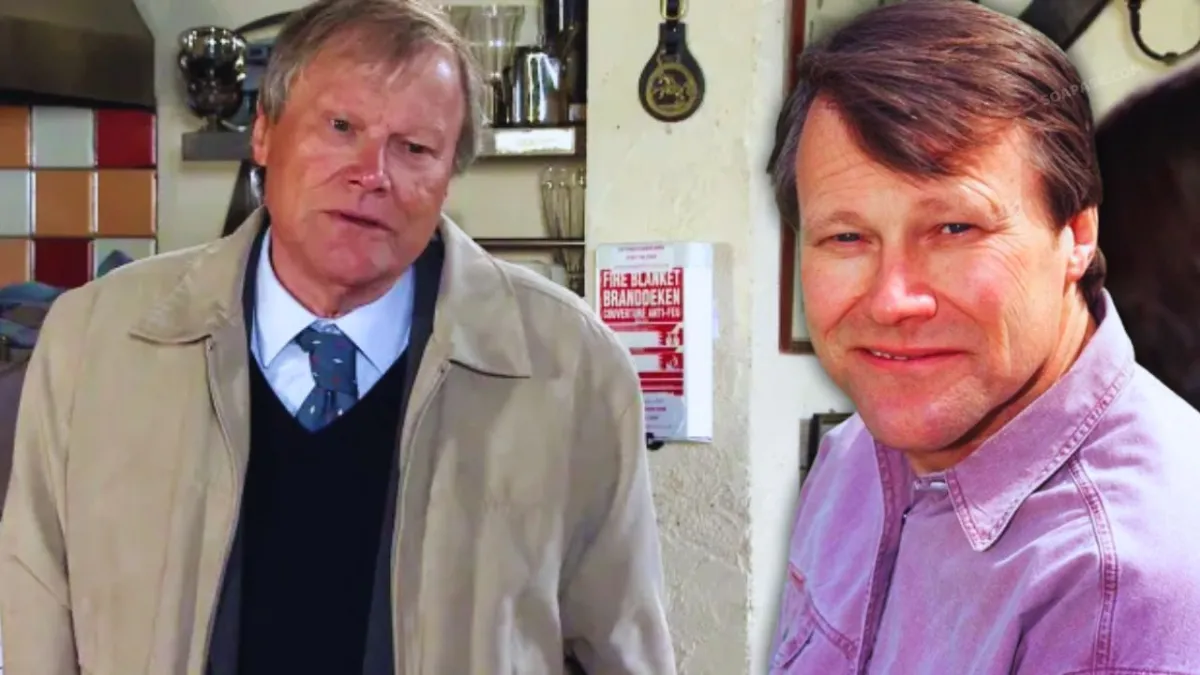 Photo: David Neilson, via soapask.com
Similarly, Norris Cole (Malcolm Hebden) began as an occasional busybody but evolved into the Street's unofficial moral compass, largely because Hebden's portrayal found the perfect balance between irritating and endearing.
The Office Originals
The British version of The Office created several accidental icons, but none more memorable than Gareth Keenan. While the show was clearly David Brent's domain, Mackenzie Crook's portrayal of the assistant regional manager created a character so perfectly pathetic yet oddly sympathetic that he became essential to the show's DNA.
Gareth was originally written as a simple yes-man to Brent's delusions, but Crook's performance revealed layers of insecurity and genuine dedication that made the character unexpectedly complex. The audience's fascination with Gareth's military fantasies and social awkwardness forced the writers to give him more substantial storylines, including the show's most touching romantic subplot.
The Peep Show Surprise
While Peep Show was built around Mark and Jeremy's dysfunctional friendship, several supporting characters managed to eclipse the leads through sheer force of personality. Super Hans, played by Matt King, was meant to be Jeremy's occasionally appearing drug dealer friend. Instead, King's manic energy and unpredictable delivery made Super Hans into a scene-stealing force of nature.
"The secret is that Matt never played Super Hans as a drug addict," explains co-creator Sam Bain. "He played him as someone who happened to take drugs while pursuing various passionate interests. That made him much more interesting than a typical junkie stereotype."
Similarly, Dobby (Isy Suttie) was introduced as a temporary love interest for Mark, but her quirky charm and genuine chemistry with the character led to her becoming a series regular and one of the show's most beloved figures.
The Sitcom Sleepers
Phoenix Nights produced one of the most memorable accidental stars in British comedy history with Brian Potter's nemesis, Den Perry. Archie Kelly's portrayal of the rival club owner was so perfectly obnoxious yet charismatic that audiences began rooting for him despite his role as the antagonist. The character's popularity led to expanded storylines and eventually his own spin-off appearances.
The Royle Family similarly elevated several background characters through the sheer authenticity of the performances. Twiggy (Geoffrey Hughes) was meant to be an occasional visitor to the Royle household, but his natural chemistry with the cast and Hughes's ability to find humour in mundane conversations made him feel like an essential part of the family.
The Algorithm Effect
In the age of social media and streaming analytics, these accidental breakouts have become even more powerful. Platforms can track exactly which characters generate the most discussion, memes, and rewatches. This data often reveals that audiences are gravitating toward unexpected figures.
After Life saw this phenomenon with Tony's postman, played by Tom Basden. Originally a brief comic relief character, audience response to his awkward interactions with Ricky Gervais's Tony led to expanded screen time and more developed storylines. Social media buzz around the character's gentle absurdity convinced the writers to make him a more central figure.
The Writing Challenge
For television writers, these accidental stars present both opportunities and challenges. Suddenly having to write substantial material for a character who was never meant to carry significant narrative weight requires creative flexibility and often forces shows to evolve in unexpected directions.
"The best writers recognise when lightning strikes and adjust accordingly," explains television script editor Sarah Phelps. "The worst try to force these characters back into their original boxes, which never works and often kills what made them special in the first place."
Derry Girls exemplified this adaptive approach with Sister Michael (Siobhán McSweeney). Originally conceived as a stern authority figure for occasional scenes, McSweeney's deadpan delivery and perfect comic timing made Sister Michael into a fan favourite. Writer Lisa McGee wisely expanded the character's role, giving her some of the show's most quotable lines.
The Cultural Mirror
These accidental icons often reflect something deeper about British culture and what audiences crave from their entertainment. The characters who break through tend to share certain qualities: authenticity over perfection, vulnerability over confidence, and relatability over aspiration.
Roy Cropper's popularity speaks to our affection for gentle outsiders. Super Hans represents our fascination with chaotic energy. Sister Michael embodies our appreciation for dry wit and unflappable authority. These characters succeed because they feel genuinely British in ways that more obviously constructed characters sometimes don't.
The Digital Age Amplification
Streaming platforms and social media have amplified the impact of these accidental stars. Characters who might have remained cult favourites in the pre-internet age can now achieve viral status overnight. Memes, compilation videos, and fan discussions can transform a minor character into a major cultural touchstone.
The Line of Duty character of Dot Cottan (Craig Parkinson) exemplifies this phenomenon. Originally a background police officer, Parkinson's subtle performance and the character's gradual revelation as a corrupt officer created such audience investment that his eventual fate became a national talking point.
The Future of Accidental Stardom
As television becomes increasingly data-driven and focus-group tested, there's a risk that the spontaneous magic that creates accidental stars might be engineered out of the process. However, British television's commitment to authentic character development and its audiences' appreciation for genuine eccentricity suggest that these beautiful accidents will continue to happen.
The key is maintaining the creative flexibility to recognise lightning when it strikes and the courage to let unexpected characters grow beyond their original conception. In an industry obsessed with predictable formulas, these accidental icons remind us that the best television often comes from embracing the unexpected.
After all, in a world of carefully crafted protagonists and market-tested personalities, there's something refreshingly honest about characters who become beloved simply by being themselves — even when nobody, including their creators, saw it coming.