Hidden in Plain Sight: How British Telly Became a Treasure Hunt for Obsessive Fans
Welcome to the Detective Club
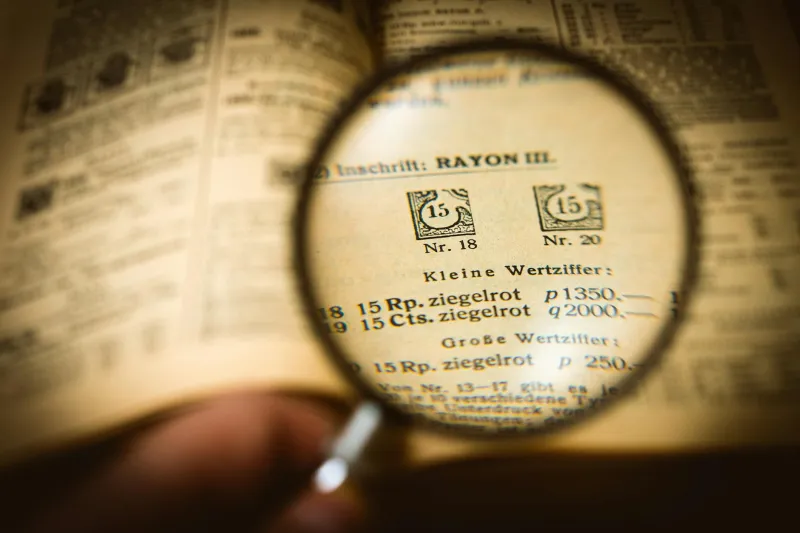
British television has always loved a good mystery, but these days the biggest puzzles aren't happening on screen – they're hidden within the screen itself. Somewhere between the rise of binge-watching and the birth of Reddit, our favourite shows transformed into elaborate treasure hunts, packed with Easter eggs, hidden references, and callbacks so subtle they'd make Sherlock Holmes weep with pride.
The phenomenon has reached fever pitch in recent years, with showrunners deliberately planting clues like television gardeners, knowing full well that somewhere out there, an army of obsessive fans armed with pause buttons and screenshot capabilities are ready to dissect every frame. It's turned casual viewing into competitive sport, and frankly, we're here for it.
The Sherlock Holmes School of Television
Steven Moffat deserves considerable blame – or credit – for weaponising the Easter egg in British television. His work on both Doctor Who and Sherlock turned viewers into detectives, training them to spot patterns, connections, and clues that wouldn't pay off until episodes or even series later. Remember the crack in Amy Pond's bedroom wall that became the central mystery of an entire Doctor Who series? That's the moment British television realised it could turn its audience into unpaid research assistants.
Sherlock took this to absurd extremes. Every phone number was real, every website mentioned actually existed, and fans could solve cases alongside the world's greatest detective by following the same clues. The show's alternate reality game (ARG) elements meant that dedicated viewers were rewarding with additional content, creating a two-tier viewing experience that separated the casual watchers from the obsessives.
The Internet's Role in the Revolution
Social media transformed Easter egg hunting from a solitary pursuit into a collaborative obsession. Twitter threads dissecting the hidden meanings in Line of Duty's acronyms stretch longer than the actual episodes. Reddit communities dedicated to shows like Westworld (okay, technically American, but bear with us) have proven that British audiences are just as capable of turning television analysis into a full-time occupation.
The pause button became the most powerful tool in television history. Suddenly, viewers could freeze-frame every background detail, every newspaper headline, every seemingly throwaway prop. What once would have been missed in real-time viewing became fair game for forensic analysis. Showrunners responded by making everything intentional – no detail was too small to hide a clue.
The Russell T Davies Philosophy
Russell T Davies, the mastermind behind the Doctor Who revival, understood something fundamental about modern audiences: they wanted to work for their entertainment. His episodes were layered with references to past stories, hidden connections between characters, and prophecies that wouldn't make sense until years later. The phrase "Bad Wolf" scattered throughout the first series of new Who became the template for how to hide a season-long mystery in plain sight.
Davies also pioneered the art of the meaningful background detail. A newspaper headline in one episode might reference events that wouldn't become important until the finale. A character's seemingly random comment could be the key to understanding an entire story arc. It was television that rewarded attention and punished casual viewing.
The Fleabag Phenomenon
Phoebe Waller-Bridge took a different approach with Fleabag, hiding emotional Easter eggs rather than plot-based ones. The show's famous fourth-wall breaks weren't just comedy beats – they were carefully constructed to reveal character development and emotional truth. Obsessive fans discovered that the frequency and nature of Fleabag's direct address to the camera changed throughout the series, reflecting her psychological journey.
The "Hot Priest" storyline was particularly rich in hidden details. Religious imagery, colour symbolism, and even the positioning of objects in scenes carried deeper meaning. Fans who went back to rewatch found layers of meaning they'd missed the first time around. It proved that Easter eggs didn't need to be about plot – they could be about character and theme.
The Line of Duty Code-Breaking Society
Jed Mercurio's Line of Duty turned viewers into amateur cryptographers. Every acronym, every case file number, every seemingly random detail was scrutinised for hidden meaning. The show's use of police procedural authenticity meant that real investigative techniques could be applied by viewers trying to solve the cases alongside AC-12.
Fans created elaborate spreadsheets tracking connections between characters across series, mapped family trees of corrupt officers, and developed theories about the identity of "H" that were more detailed than actual police investigations. The show's commitment to internal consistency meant that every clue was potentially significant, turning viewers into unpaid consultants.
The Technology of Discovery
Modern technology has supercharged Easter egg hunting. High-definition streaming means every background detail is crystal clear. Social media allows instant collaboration between fans worldwide. Video editing software lets dedicated viewers create frame-by-frame analyses that rival academic film studies.
Screenshot galleries, slow-motion replays, and enhancement tools have turned living rooms into forensic laboratories. Fans can now spot details that even the production crew might have missed. A reflection in a window, a book title on a shelf, a poster in the background – everything is potential evidence.
The Creator's Dilemma
This level of scrutiny creates interesting challenges for showrunners. Knowing that every detail will be analysed means that everything must be intentional. A continuity error isn't just a mistake – it's a potential plot hole that will be discussed endlessly online. A random prop becomes a clue whether you intended it or not.
Some creators embrace this pressure, treating it as a creative challenge. Others find it constraining, worried that the hunt for hidden meaning overshadows the actual story. The balance between rewarding close attention and maintaining narrative accessibility is delicate.
The Rewatchability Revolution
Easter eggs have fundamentally changed how we consume television. Shows are no longer single-viewing experiences – they're designed to be rewatched, dissected, and discussed. This has obvious benefits for streaming platforms, where engagement metrics matter more than traditional ratings.
But it's also changed the nature of storytelling itself. Writers now craft episodes with multiple layers of meaning, ensuring that the second viewing reveals details missed in the first. It's like reading a novel where the footnotes are hidden in the main text, waiting to be discovered.
The Future of Hidden Television
As artificial intelligence and machine learning become more sophisticated, the arms race between creators and fans will only intensify. Imagine AI-powered analysis tools that can spot patterns across entire series, or augmented reality apps that reveal hidden layers of meaning in real-time.
The question is whether this evolution enhances or diminishes the viewing experience. There's something to be said for the simple pleasure of watching television without feeling compelled to solve puzzles or hunt for clues. But for those who enjoy the treasure hunt, British television has become an endlessly rewarding playground.
The Ultimate Easter Egg
Perhaps the greatest hidden secret in modern British television is this: the Easter eggs aren't just about rewarding obsessive fans. They're about creating a sense of community, turning solitary viewing into shared discovery. In an age of endless content and shortened attention spans, the humble Easter egg has become a powerful tool for building lasting engagement.
So the next time you're watching your favourite British show, remember: you're not just a viewer anymore. You're a detective, a code-breaker, an archaeologist of meaning. And somewhere in the background of that scene, there's probably a clue waiting to be found.