The Invisible Audience: How Canned Laughter Convinced Britain That Unfunny Was Hilarious

Somewhere in the vaults of British broadcasting history lies a collection of recorded chuckles, guffaws, and polite titters that shaped an entire generation's understanding of what constitutes comedy. For the better part of four decades, these disembodied laughs told us exactly when something was supposed to be funny — even when it absolutely wasn't.
The laugh track, or "sweetening" as industry insiders euphemistically called it, wasn't just background noise. It was comedy's training wheels, a sonic safety net that caught jokes before they could fall flat. But like all safety nets, it eventually became a crutch that British comedy struggled to abandon.
The Great Deception
Watch any episode of Terry and June today and you'll experience something genuinely unsettling. Every mild observation is greeted with the same enthusiastic response from an audience that sounds suspiciously like they're having the time of their lives. Terry's mild confusion about modern technology? Uproarious laughter. June's gentle exasperation with her husband's incompetence? Absolute hysteria.
The disconnect between what's actually happening on screen and the audience's apparent delight creates a sort of comedy uncanny valley. You begin to question your own sense of humour. Are you missing something? Is there a joke buried in Terry's struggle with the TV remote that requires advanced comedic archaeology to uncover?
The answer, of course, is no. You're witnessing the mechanical precision of recorded laughter doing exactly what it was designed to do: convince you that something unremarkable is actually hilarious.
The Science of Synthetic Giggles
Laugh tracks weren't just randomly sprinkled throughout episodes like comedic seasoning. They were carefully engineered psychological tools designed to exploit our fundamental need to fit in. Humans are social creatures programmed to mirror the emotional responses of those around us. If everyone else is laughing, we assume we should be too.
The BBC's legendary sound engineer, who spent decades crafting the perfect blend of chuckles for British sitcoms, understood this instinctively. Different types of jokes required different types of laughter. A gentle bit of wordplay might warrant a warm chuckle, whilst physical comedy demanded full-throated guffaws. The art was in matching the response to the stimulus so seamlessly that viewers never questioned whether the reaction was genuine.
This created a bizarre feedback loop. Writers began crafting jokes specifically for the laugh track, timing their punchlines to accommodate the inevitable four-second burst of recorded hilarity. Comedy wasn't just being sweetened; it was being fundamentally restructured to serve the demands of artificial audience response.
The Golden Age of Guided Laughter
The 1970s and 80s represented the peak of laugh track sophistication in British television. Shows like Some Mothers Do 'Ave 'Em and Are You Being Served? elevated canned laughter to an art form, using it not just to punctuate jokes but to create comedic rhythm.
Frank Spencer's elaborate physical disasters weren't just funny because of Michael Crawford's impeccable timing — they were hilarious because the laugh track told us they were. The audience's response became part of the performance, a crucial element that transformed slapstick into apparent genius.
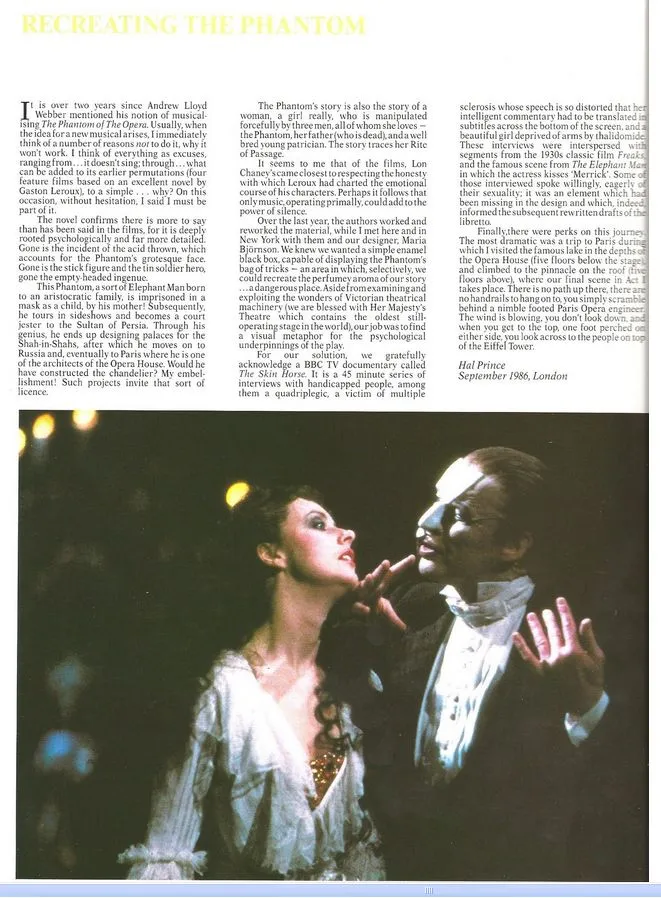 Photo: Michael Crawford, via i.pinimg.com
But the most insidious aspect of this golden age wasn't the obvious laugh tracks on broad comedies. It was the subtle sweetening of supposedly "natural" audience responses on shows filmed in front of live crowds. That perfectly timed burst of laughter when Basil Fawlty insulted a guest? Enhanced. The audience's delighted response to a particularly clever bit of wordplay in Yes Minister? Artificially amplified.
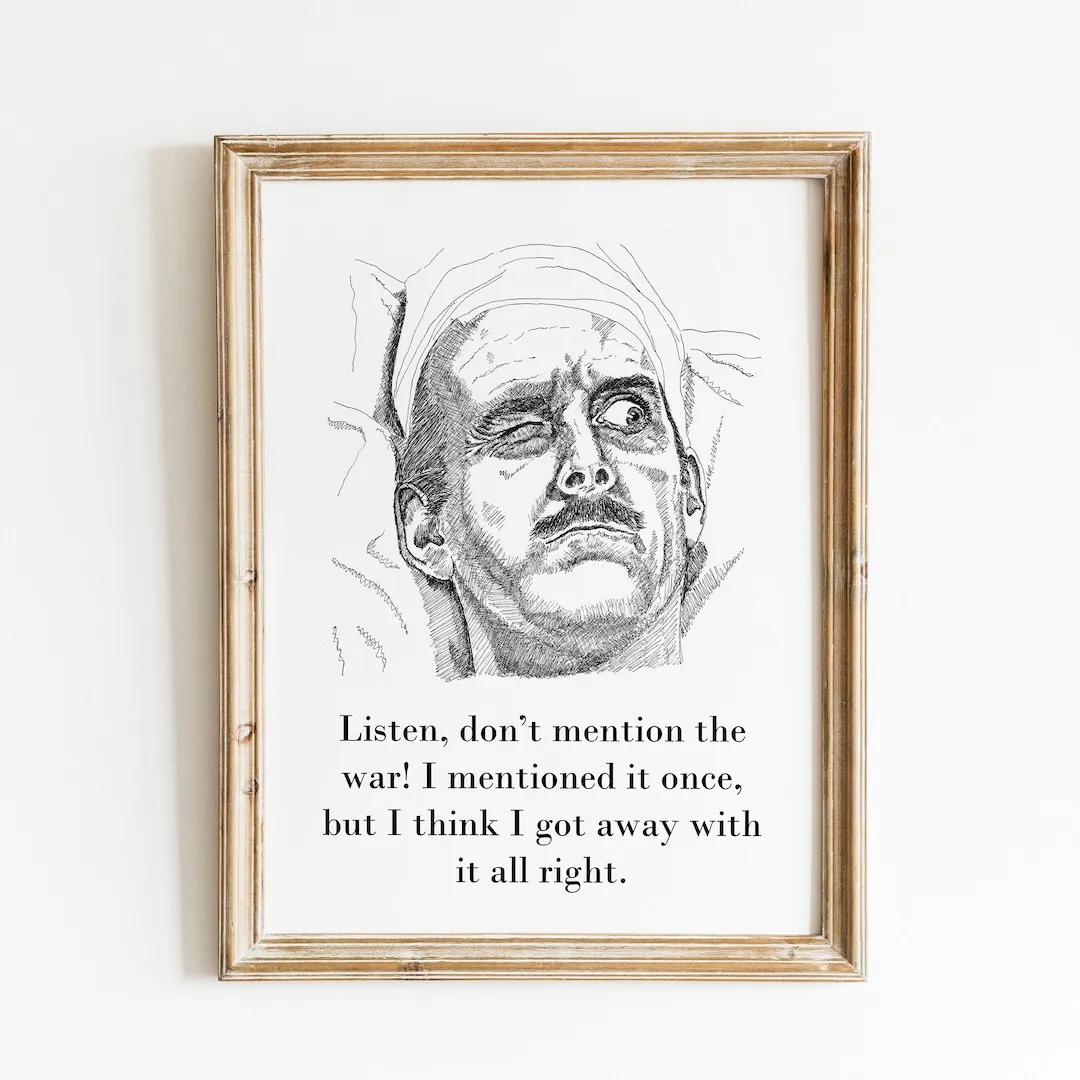 Photo: Basil Fawlty, via i.etsystatic.com
Viewers were experiencing a version of comedy that had been focus-grouped by sound engineers, optimised for maximum comedic impact regardless of whether the original material warranted such enthusiasm.
The Uncomfortable Truth About Communal Viewing
Perhaps the most disturbing aspect of the laugh track era wasn't that it made bad jokes seem funny — it was that it actually worked. Families gathered around their television sets, sharing genuine moments of laughter triggered by synthetic audience responses. The emotional connection was real, even if the catalyst was entirely artificial.
This raises uncomfortable questions about the nature of shared cultural experiences. If three generations of a family genuinely enjoyed watching Terry and June together, laughing at the same moments and bonding over shared comedic references, does it matter that their responses were essentially programmed?
The laugh track created a form of comedic Stockholm syndrome, where viewers developed genuine affection for shows that manipulated their emotional responses. It's possible to simultaneously acknowledge that Hi-de-Hi! wasn't actually funny whilst maintaining fond memories of watching it with your nan every Friday night.
The Great Awakening
The decline of canned laughter in British television wasn't sudden — it was a gradual awakening to the artificiality of the entire enterprise. Shows like The Office and Peep Show demonstrated that comedy could be genuinely uncomfortable, genuinely awkward, and genuinely funny without needing to tell audiences when to laugh.
The transition wasn't without casualties. Viewers who had spent decades being guided through comedic experiences suddenly found themselves responsible for their own emotional responses. Some early single-camera comedies felt eerily quiet, lacking the communal energy that laugh tracks had artificially provided.
But the payoff was enormous. British comedy became sharper, more sophisticated, and infinitely more diverse. Writers couldn't rely on synthetic audience approval to sell weak material. Every joke had to earn its laughs honestly.
The Phantom Audience Lives On
Whilst modern British sitcoms have largely abandoned laugh tracks, their influence lingers in unexpected places. Live studio audiences on panel shows still provide that communal laughter experience, but now we can see the people producing those responses. The artificiality has become part of the entertainment.
Social media has created new forms of synthetic comedy validation. Twitter's trending topics and TikTok's algorithmic amplification serve similar functions to the old laugh tracks — they tell us what's supposed to be funny and when we should be paying attention.
Liberation Through Silence
The death of the laugh track might be British television's greatest gift to itself. It forced comedy to evolve beyond cheap manipulation into something more honest and ultimately more rewarding. Shows like Fleabag and This Country couldn't exist in a world where artificial audience responses dictated comedic timing.
Today's viewers have been liberated to find things funny on their own terms, without the pressure of invisible audiences telling them how to respond. It's a freedom that previous generations of British comedy fans never experienced.
And yet, there's something oddly nostalgic about those old laugh tracks — not because they made bad comedy seem good, but because they created a shared experience that modern viewers sometimes miss. The sound of other people enjoying themselves, even if those people were recorded decades ago in a completely different context.
Perhaps that's the most honest assessment of the laugh track era: it wasn't about making comedy funnier, but about making the experience of watching comedy less lonely. In an age where we increasingly consume entertainment in isolation, that synthetic sense of community doesn't seem quite so sinister.
It just seems a bit sad.