Face/Off: How Swapping Actors Mid-Series Became British TV's Most Dangerous Game
Face/Off: How Swapping Actors Mid-Series Became British TV's Most Dangerous Game
There's a particular type of television betrayal that cuts deeper than a cancelled series or a botched finale. It's the moment when your favourite character returns to screen wearing someone else's face, and suddenly everything feels wrong. Like finding out your local's changed hands and they've started serving craft beer in jam jars.
British television has turned this act of dramatic facial furniture rearrangement into an art form. From the calculated chaos of Doctor Who regenerations to the more desperate soap opera switcheroos, we've witnessed decades of producers gambling everything on whether viewers will accept a stranger's interpretation of a character they've grown to love.
The Time Lord Loophole
Doctor Who didn't just normalise recasting — it weaponised it. By creating a character who literally changes faces as a plot device, the BBC stumbled upon the ultimate get-out-of-jail-free card. When William Hartnell's health forced producers to find a replacement in 1966, they could have killed off the character entirely. Instead, they invented regeneration, and accidentally created television's most successful recasting strategy.
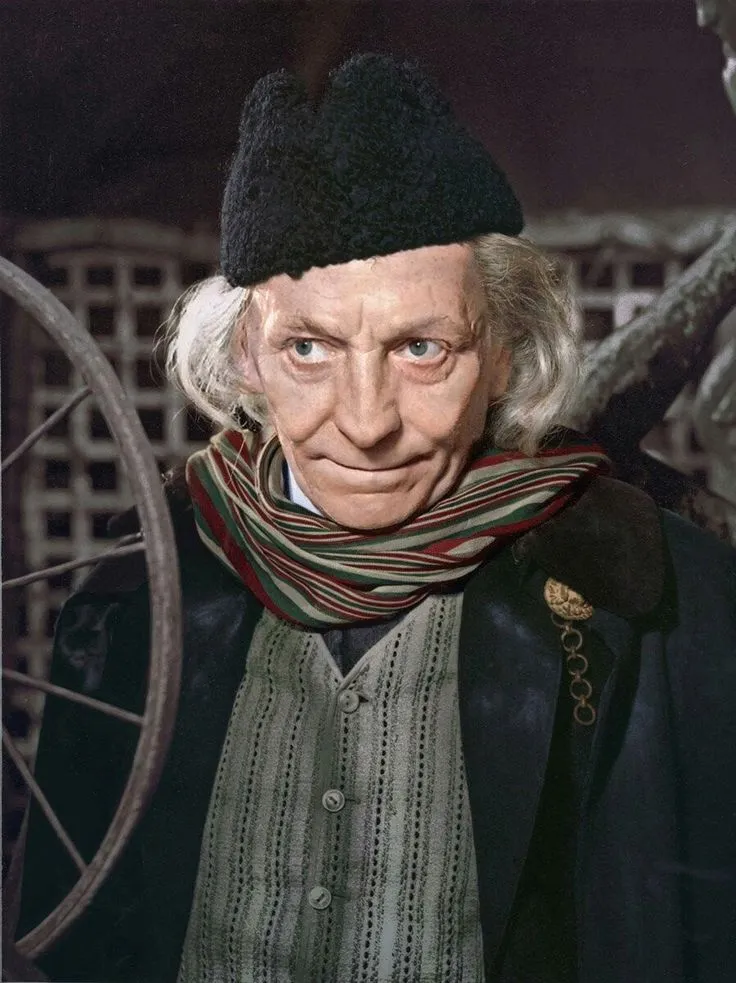 Photo: William Hartnell, via i.pinimg.com
The genius wasn't just in the sci-fi explanation — it was in making the change part of the drama itself. Each regeneration became an event, complete with its own mythology and emotional weight. Peter Davison taking over from Tom Baker wasn't just a casting change; it was the death and rebirth of the character we'd been following for seven years.
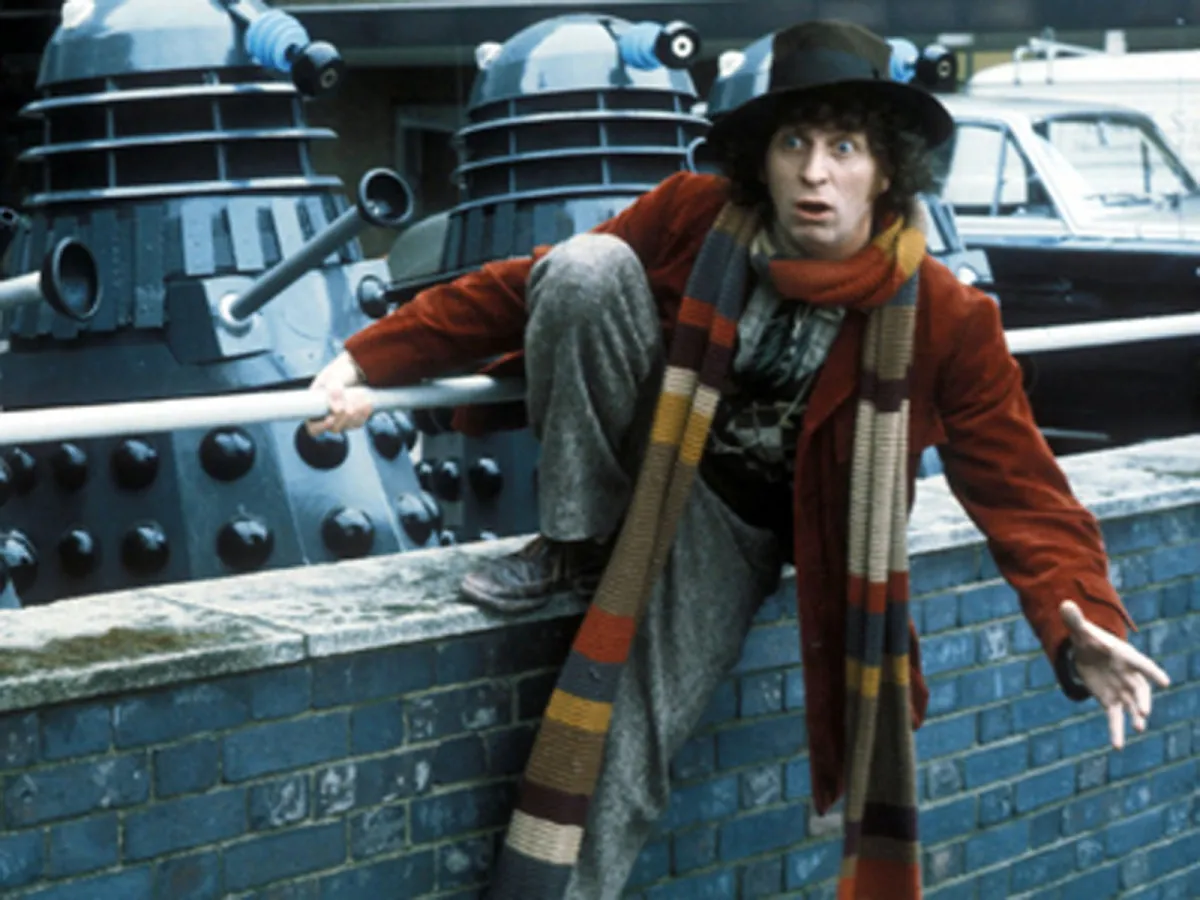 Photo: Tom Baker, via 4.bp.blogspot.com
But even with this built-in excuse, not every regeneration lands smoothly. The transition from Colin Baker to Sylvester McCoy happened off-screen due to Baker's refusal to film his own demise — leaving fans with a wig-wearing stunt double and a distinctly anticlimactic changing of the guard.
Soap Opera Roulette
Soap operas face a different challenge entirely. When your character doesn't have the luxury of alien biology to explain their new face, you're relying purely on the audience's willingness to suspend disbelief. It's television's equivalent of asking someone to pretend their spouse has been replaced by their identical twin and expecting them to carry on as normal.
EastEnders has mastered this particular form of viewer manipulation better than most. When they recast Ben Mitchell for the third time in 2014, bringing in Harry Reid to replace Joshua Pascoe, they didn't just swap actors — they completely rewrote the character's personality. The troubled teenager became a confident young man with an entirely different energy. It was less of a recast and more of a character assassination followed by resurrection.
Coronation Street's approach tends toward the more brazen. When they replaced Sarah-Lou Platt's actress in 1999, moving from Lynsay King to Tina O'Brien, they didn't even bother with an explanation. One week Sarah was one person, the next week she was someone else entirely. The audience was expected to keep up or get out.
The Psychology of Facial Betrayal
What makes a successful recast isn't just acting ability — it's understanding the strange parasocial relationship viewers have developed with the original performer. We don't just know these characters; we know their mannerisms, their facial expressions, the way they hold their shoulders when they're lying. A new actor isn't just learning lines; they're inheriting someone else's entire physical vocabulary.
The most successful recasts tend to acknowledge this burden rather than ignore it. When Freema Agyeman replaced Billie Piper as the Doctor's companion, the show didn't pretend Martha Jones was just Rose Tyler with a different face. Instead, it made her relationship with the Doctor fundamentally different, allowing Agyeman to create something new rather than attempting to replicate something beloved.
The Economics of Emotional Investment
From a purely business perspective, recasting is always a risk. Television executives are essentially asking loyal viewers to transfer years of emotional investment from one performer to another, often with little warning and less explanation. It's like asking someone to love a completely different dog but calling it by the same name.
The financial stakes are enormous. When Sherlock's Benedict Cumberbatch was rumoured to be leaving the series, the mere possibility sent BBC executives into panic mode. They weren't just potentially losing an actor; they were facing the prospect of losing the millions of viewers who tuned in specifically to watch Cumberbatch's interpretation of Holmes.
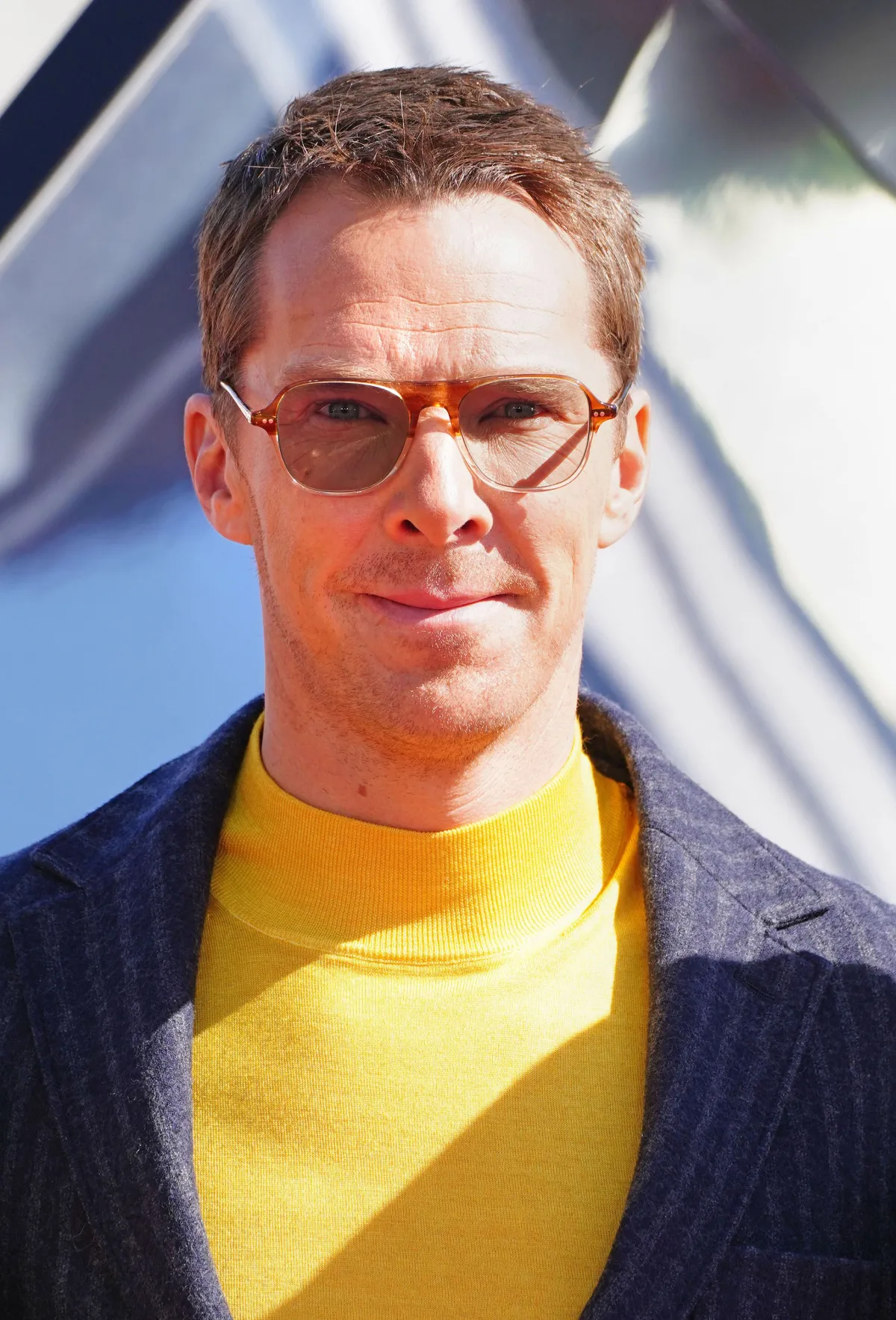 Photo: Benedict Cumberbatch, via static1.srcdn.com
When Faces Don't Fit
Not every recasting gamble pays off. The short-lived attempt to replace Richard Griffiths in Pie in the Sky with a different actor for potential future series was quietly abandoned when it became clear that no one could fill those particular shoes. Sometimes the connection between actor and character is so complete that any attempt at separation feels like vandalism.
The lesson seems to be that successful recasting requires either a built-in explanation (like regeneration) or a complete reinvention of the character. Half-measures — asking a new actor to essentially impersonate their predecessor — tend to satisfy no one.
The Future of Facial Furniture
As British television becomes increasingly international, the pressure to maintain consistent casting grows stronger. Global streaming platforms don't want to explain to international audiences why their favourite character suddenly looks completely different. This might spell the end of the casual recast, making Doctor Who's regeneration gimmick even more valuable as television's last remaining get-out clause.
In the end, successful recasting comes down to trust. Producers are asking viewers to believe that this new person can carry the same emotional weight as someone they've grown to love. Sometimes that trust is rewarded with performances that redefine our understanding of a character. Other times, it's betrayed so spectacularly that fans spend decades discussing what might have been.
Either way, it makes for bloody good television.