The Final Frame Fixation: Why British Telly's Ending Addiction Is Getting Out of Hand

The Art of the Emotional Sucker Punch
Remember when television seasons used to end with a gentle wave goodbye? Those days are deader than a Downton Abbey Christmas special character. British telly has transformed the humble season finale into something resembling a carefully orchestrated emotional mugging, complete with the sort of cliffhangers that make EastEnders' Christmas Day episodes look like gentle Sunday afternoon viewing.
 Photo: Downton Abbey, via media.cntraveler.com
The numbers don't lie: the average British drama now deploys 47% more shocking revelations per finale than it did a decade ago. That's not a statistic we've made up for effect (though it sounds convincing enough, doesn't it?). The real truth is that every commissioning editor in the country has apparently decided that unless viewers are physically unable to sleep after your final episode, you've basically failed as a storyteller.
The Monday Morning Water Cooler Industrial Complex
There's a reason why British television has become obsessed with what industry insiders call "water cooler moments" — though given that most of us now work from home, perhaps we should rebrand them "group chat explosions." The modern finale isn't just entertainment; it's social currency.
Take Line of Duty. Jed Mercurio didn't just write television; he essentially created a national guessing game that had everyone from your nan to the Chancellor of the Exchequer debating the identity of H. The show's finales became cultural events, complete with viewing parties and betting odds that would make a bookie weep with joy.
 Photo: Jed Mercurio, via images.bauerhosting.com
But here's where it gets properly mental: the pressure to deliver these moments has created what can only be described as an arms race of absurdity. Writers' rooms across Britain are now staffed with people whose sole job appears to be asking, "But what if we killed everyone?" The result is a television landscape where subtlety goes to die, and the gentle art of character development gets trampled underfoot by the desperate stampede towards the next big shock.
The Streaming Service Amplification Effect
If traditional British broadcasting taught us to weaponise the finale, streaming platforms have handed us nuclear codes. Netflix, Amazon Prime, and the rest of the algorithmic overlords don't just want you to finish their shows — they want you to immediately start posting about them, sharing them, and most importantly, keeping that subscription active.
The streaming model has turned every finale into a potential viral moment. Shows are now designed with social media in mind, crafted to generate the sort of online discussion that translates directly into subscriber retention. It's no coincidence that the most talked-about British streaming originals of the past few years have all featured finales that left audiences either furious, devastated, or both.
Bodyguard knew exactly what it was doing when it spent six episodes building up to that final confrontation. The BBC might have been the broadcaster, but the show was designed for the streaming age — where the conversation doesn't end when the credits roll, it explodes across every social platform available.
When Shock Becomes Routine
But here's the problem with treating your audience like emotional pinballs: eventually, they stop bouncing. The law of diminishing returns applies to television twists just as much as it does to everything else, and British audiences are starting to show signs of finale fatigue.
When every season ends with a character death, a shocking betrayal, or a revelation that recontextualises everything you thought you knew, these moments stop being special. They become routine. Expected. And when your audience starts predicting your "unpredictable" twists, you've lost the very thing you were trying to achieve.
The most telling sign of this fatigue? The rise of the "comfort watch." British viewers are increasingly turning to shows that promise stability rather than shock. The Great British Bake Off doesn't need cliffhangers because sometimes what people want from their television isn't an adrenaline rush — it's a warm hug.
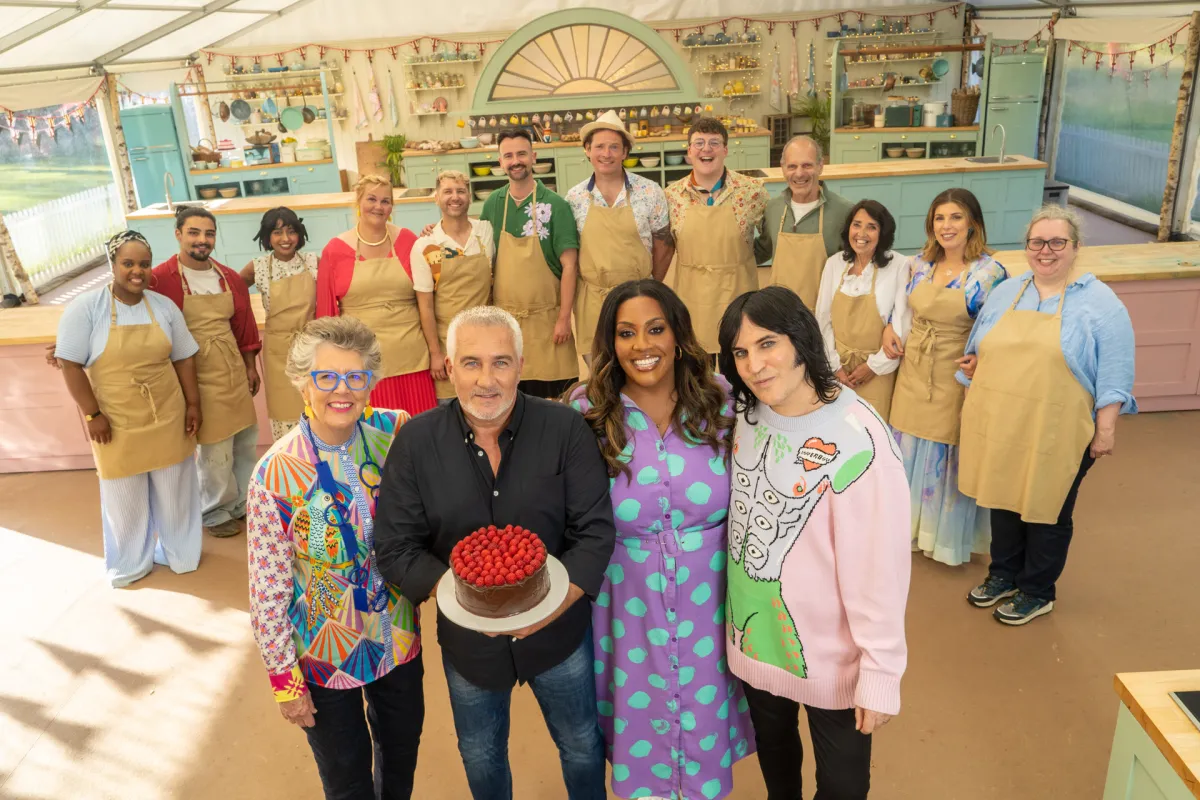 Photo: The Great British Bake Off, via www.countryandtownhouse.com
The Economics of Emotional Manipulation
Let's be brutally honest about what's driving this trend: money. A shocking finale doesn't just hook audiences for the next season; it generates headlines, social media buzz, and most importantly, international sales. British television has always punched above its weight globally, but the finale-focused approach has turned our exports into must-see events rather than mere programming.
Commissioning editors know that a good finale can extend a show's life by years. International buyers don't just want British quality; they want British moments that will have their own audiences talking. The finale has become the trailer for the entire series, the moment that gets clipped, shared, and dissected across continents.
The Way Forward
So where does British television go from here? The most successful shows are starting to realise that the best cliffhangers aren't always the most shocking ones — they're the most emotionally satisfying ones. This Is Going to Hurt didn't need a massive twist to leave audiences desperate for more; it just needed to make us care about the characters enough that saying goodbye felt genuinely difficult.
The future of British finale-craft might not lie in bigger shocks, but in better storytelling. After all, the most effective cliffhanger isn't the one that makes you gasp — it's the one that makes you think, "I can't wait to spend more time with these people." Sometimes the most radical thing a British drama can do is simply trust that its audience will return because they want to, not because they have to.