Under the Weather: How British TV's Secret Weapon Is Actually the Rubbish Climate
Under the Weather: How British TV's Secret Weapon Is Actually the Rubbish Climate
Let's be honest about something: British weather is absolutely terrible. It's grey, it's wet, it's unpredictable, and it makes planning outdoor activities about as reliable as a chocolate teapot. But here's the thing that no one talks about – this meteorological misery has accidentally become British television's greatest storytelling asset.
While American telly is all golden hour lighting and perpetual California sunshine, and European drama bathes itself in romantic Mediterranean glows, British television has embraced the grim reality of our climate and turned it into narrative gold. We've weaponised drizzle, made grey skies into emotional punctuation marks, and transformed proper British weather into the most underrated character actor in television history.
The Moors Know Things You Don't
Start with crime drama, where British weather isn't just atmospheric – it's practically a co-conspirator. The Yorkshire Dales in Happy Valley don't just look moody; they look like they're actively participating in the psychological torment of everyone involved. Those rolling hills and threatening skies aren't scenic backdrops – they're emotional amplifiers that make every revelation feel more ominous and every character decision more desperate.
 Photo: Yorkshire Dales, via seasonalworkvisa.com
Broadchurch understood this instinctively. The Dorset coast could have been picturesque, but instead, the show chose to film it under perpetually threatening skies that made even the most beautiful seaside views feel haunted. The weather became a constant reminder that something terrible had happened in this place, and that the natural world itself was struggling to process the horror.
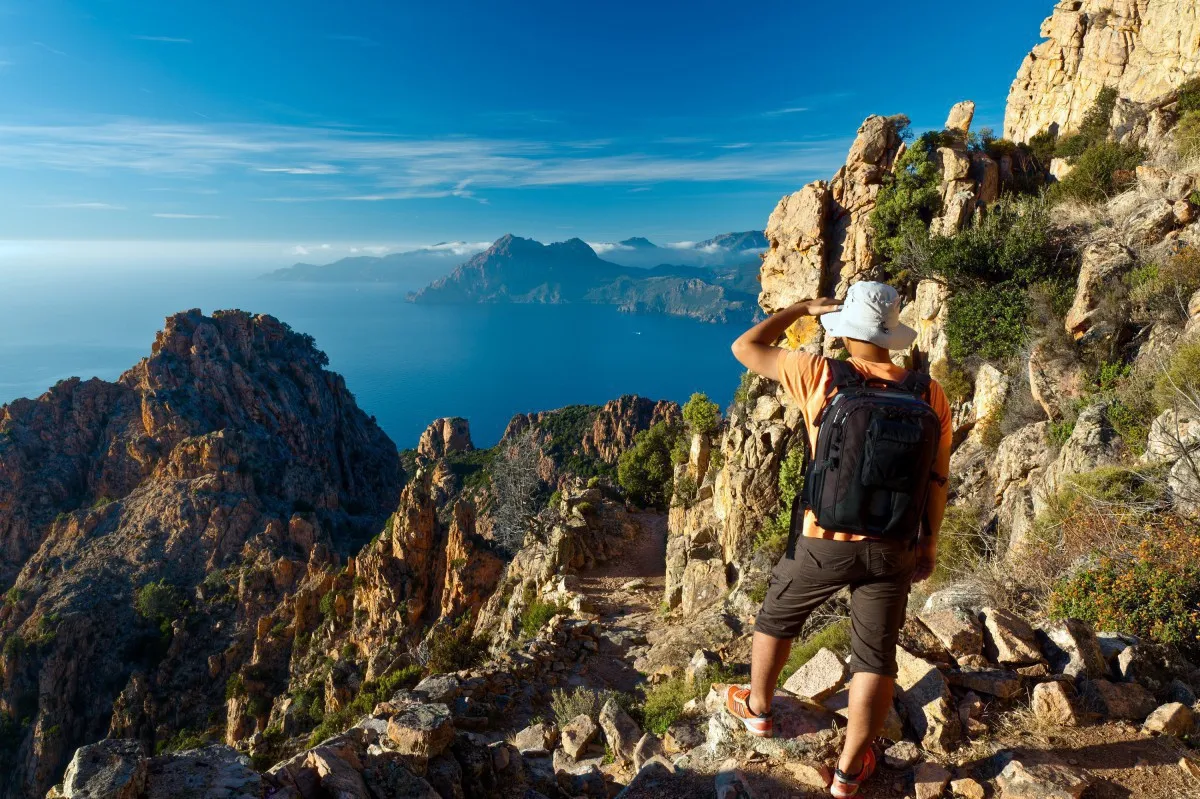 Photo: Dorset coast, via www.visit-corsica.com
Compare this to American crime procedurals, where even the grimmest murders happen under pristine blue skies or dramatically lit golden sunsets. CSI Miami made serial killing look like a bloody holiday brochure. British crime drama says: "Someone's been murdered, and even the weather is depressed about it."
Soap Opera Tears and Actual Rain
British soap operas have elevated weather-as-emotion to an art form that borders on the supernatural. In EastEnders, significant emotional moments are legally required to happen during torrential downpour. It's not enough for someone to discover their husband's been having an affair – they need to discover it while standing in Albert Square getting absolutely drenched, because that's how feelings work in Britain.
Coronation Street has turned the Manchester climate into a supporting character that's been in the show longer than most of the human cast. The cobbles aren't just wet because it's been raining; they're wet because they're absorbing forty years of emotional trauma from the residents of Weatherfield. (And yes, the irony of a place called Weatherfield being perpetually weathered is not lost on anyone.)
The genius is in the restraint. American soaps would have someone dramatically declaring their love during a perfectly orchestrated thunderstorm with cinematic lightning. British soaps have someone making the same declaration while standing under a bus stop in persistent drizzle, and somehow that feels more honest, more real, more properly emotional.
Comedy in the Rain
British comedy has a particularly twisted relationship with weather that reveals something fundamental about our national character. The Royle Family perfected the art of making grey, overcast Manchester weather feel like a warm hug. The perpetual gloom outside made the family's living room feel even more cosy, even more like a refuge from the world.
Gavin & Stacey used the contrast between Welsh valleys weather and Essex seaside weather to highlight cultural differences that went way deeper than geography. The persistent drizzle in Barry wasn't just atmospheric – it was character development for an entire town.
Even The Office understood that Slough's relentlessly grey corporate park setting wasn't just a location choice; it was a psychological state made visible. David Brent's desperate attempts at motivation and enthusiasm feel even more tragic when they're happening under fluorescent lights while proper grim weather presses against the windows.
Period Drama's Secret Ingredient
British period dramas have turned our historically accurate terrible weather into a competitive advantage that makes other countries' costume dramas look like they're taking place in theme parks. Poldark could have been filmed in Mediterranean sunshine, but instead embraced the full fury of Cornish coastal weather to create something that felt genuinely wild and untamed.
 Photo: Cornish coastal weather, via starbio.in
Outlander, despite its time-travelling Scottish romance, never lets you forget that the Highlands are beautiful but absolutely brutal. The weather isn't romantic backdrop; it's a constant threat that shapes every character decision and plot development. When Claire and Jamie are struggling to survive, the Scottish climate is as much their enemy as any human antagonist.
Downton Abbey used Yorkshire weather patterns to mirror the social changes happening inside the house. The long, grey winters reflected the slow decline of the aristocratic world, while the brief, brilliant summers highlighted the fleeting moments of happiness and stability.
Reality TV in the Real World
British reality television has learned to embrace weather chaos in ways that would terrify international producers. Love Island might happen in exotic locations, but when it comes back to Britain, the weather immediately becomes part of the drama. Casa Amor in Mallorca is one thing; Casa Amor in Manchester would be a completely different psychological experiment.
I'm a Celebrity... Get Me Out of Here! works precisely because it takes pampered celebrities and subjects them to Australian weather that's actually less unpredictable than what they're used to at home. The real culture shock isn't the bugs or the challenges – it's experiencing a climate that doesn't change mood every fifteen minutes.
Meanwhile, shows like The Great British Bake Off have turned the unpredictability of British weather into actual plot points. The tent isn't climate-controlled because that would be cheating – if your chocolate work melts because of an unexpected heat wave, that's not a production failure, that's Britain.
The Emotional Forecast
What makes British television's relationship with weather so effective is that it mirrors how British people actually experience emotion. We don't do dramatic declarations under perfect blue skies – we have life-changing conversations while waiting for the bus in persistent drizzle. We don't fall in love during golden hour – we fall in love despite the fact that it's been grey for six months straight.
Our weather is unpredictable, often disappointing, occasionally beautiful, and constantly present. It shapes how we dress, how we plan, how we think about time and seasons and the possibility of outdoor activities. British television has learned to use this meteorological reality as emotional shorthand that resonates with viewers on a cellular level.
When someone stands in the rain making a difficult decision in a British drama, it doesn't feel like a director's choice – it feels like life. Because in Britain, important moments don't wait for good weather. They happen when they happen, and the weather just has to deal with it.
So the next time you're watching British television and notice that everyone seems to be perpetually damp and slightly cold, remember: that's not a production limitation. That's our secret weapon. We've turned our terrible climate into the most honest emotional amplifier in world television.
And honestly? Every other country is probably jealous they can't make drizzle look this dramatic.