Putting Small Towns on the Map: How British TV Accidentally Became Tourism's Secret Weapon

When Fiction Becomes a Postcode Gold Rush
There's something beautifully bonkers about the British obsession with visiting places where absolutely nothing real ever happened. Yet across the UK, towns that couldn't get a mention in a weather forecast are suddenly dealing with traffic jams caused by coach parties hunting for fictional murder scenes, imaginary pubs, and the exact bench where a made-up character had their emotional breakdown.
The transformation is swift and merciless. One day you're Helmsley, a pleasant but unremarkable North Yorkshire market town. The next, you're the spiritual home of Heartbeat, and your local tourist office is fielding calls from Japanese visitors asking for directions to Aidensfield (which doesn't exist) and whether they can buy a police helmet in the gift shop (they can, obviously).
The Scout's Dilemma: Beauty vs Chaos
Location scouts operate in a curious moral grey area. Their job is to find the perfect backdrop for Britain's storytelling ambitions, but they're also inadvertently playing God with local economies. Sarah Mitchell, who's scouted locations for everything from period dramas to gritty crime series, describes the process as "part artistic vision, part accidental town planning."
"You're looking for that perfect combination of visual appeal and practical logistics," she explains. "But you're also aware that once the cameras roll, this place might never be the same again. Some towns embrace it, others... well, let's just say not everyone wants their local chippy to become a shrine."
The transformation isn't always welcome. Residents of picturesque villages often find their daily routines disrupted by tourists recreating scenes from shows they've never watched. The Cotswolds, already groaning under the weight of its own beauty, now contends with additional pilgrimages to locations from everything from Downton Abbey to Father Brown.
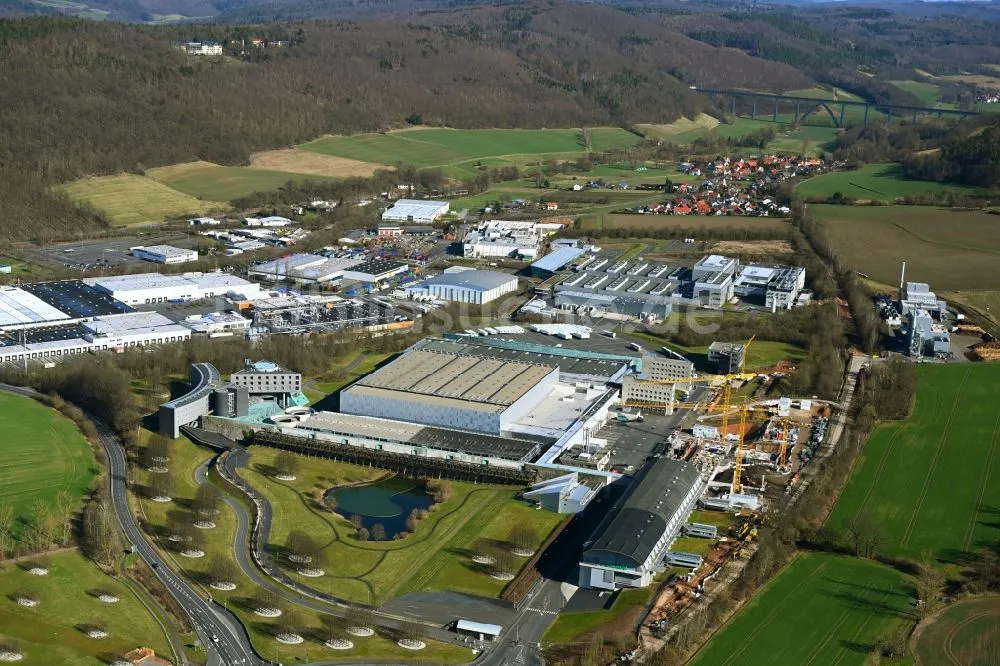 Photo: The Cotswolds, via www.luftbildsuche.de
The Economics of Fictional Fame
The numbers tell a remarkable story. Tourism officials in North Yorkshire credit shows like All Creatures Great and Small and Happy Valley with generating millions in additional revenue. Whitby, already famous for Dracula connections, saw visitor numbers surge again after featuring in various crime dramas. Local businesses report that customers arrive with screenshots from Netflix, asking to sit at the exact table where a character delivered a memorable line.
But it's not just the obvious tourist hotspots benefiting. Industrial towns and urban areas previously overlooked by leisure visitors are discovering unexpected appeal. Manchester's Northern Quarter has become a destination for fans of everything from Shameless to Fresh Meat, while Glasgow finds itself on itineraries thanks to its starring role in countless Scottish crime dramas.
The Superfan Phenomenon
Perhaps the most fascinating aspect of this cultural shift is the emergence of the location superfan – individuals who've turned TV tourism into a serious hobby. Online forums buzz with detailed guides to filming locations, complete with GPS coordinates and optimal photography angles.
Mark Thompson from Leeds has visited over 200 filming locations across the UK. "It started with Emmerdale," he admits without embarrassment. "But now I'll travel anywhere if there's a good story attached. Last month I drove to Scotland just to see where they filmed that one episode of Shetland."
These dedicated tourists often know more about local filming history than the locals themselves, carrying detailed knowledge about which episodes were shot where and when. They're walking encyclopedias of British television geography, turning casual viewing into elaborate treasure hunts.
The Authenticity Paradox
The irony isn't lost on anyone involved that these "authentic" British experiences are often carefully constructed illusions. The cosy village pub might be a composite of three different locations, and that picturesque high street could be a masterclass in creative editing rather than genuine geography.
Yet visitors don't seem to mind the sleight of hand. They're buying into the emotional truth of the story rather than geographical accuracy. The fictional Emmerdale village attracts more visitors than many actual Yorkshire villages, suggesting that sometimes invented places feel more real than reality itself.
Local Voices: Blessing or Curse?
The reaction from local communities varies wildly. Some embrace their newfound fame with entrepreneurial enthusiasm, launching themed tours, selling location maps, and training staff to answer questions about fictional characters as if they were real neighbours.
Others find the attention overwhelming. Residents of particularly photogenic locations report feeling like they're living in a theme park version of their own lives, with strangers photographing their front doors and asking for directions to places that exist only on screen.
"It's surreal," says Janet Williams, who runs a café in a Pembrokeshire village that doubled as a fictional Welsh town. "People come in asking about characters like they knew them personally. I've started making up stories just to keep them happy."
The Future of Fictional Tourism
As British television continues its global success, the location tourism phenomenon shows no signs of slowing. Streaming platforms have amplified the effect, with international audiences planning UK holidays around filming locations from their favourite British shows.
The challenge for location scouts is balancing the practical needs of production with the long-term impact on communities. Some are beginning to consider the tourism potential as part of their location selection process, recognising that a good choice might benefit both the production and the local economy for years to come.
Meanwhile, British towns continue to discover that sometimes the best way to put yourself on the map is to let someone else's story unfold on your streets. Even if that story never actually happened there in the first place.
In a country where the weather's unpredictable and the high streets are struggling, perhaps there's something rather brilliant about finding prosperity in make-believe. After all, if you're going to be invaded by tourists, at least they're coming because someone thought your town was beautiful enough to be on television.