Voice Lessons: The Unsung Heroes Stopping British Actors from Sounding Absolutely Ridiculous
The Invisible Army of Accent Perfection
In a parallel universe somewhere, Hugh Grant is delivering his Four Weddings stammers in broad Scouse, Benedict Cumberbatch is growling through Sherlock with a thick Yorkshire accent, and every period drama sounds like it's being performed by the cast of Geordie Shore. Thankfully, we don't live in that universe, because British film and television employs a secret army of linguistic magicians whose job is to ensure that when someone opens their mouth on screen, the words that come out don't immediately destroy all dramatic credibility.
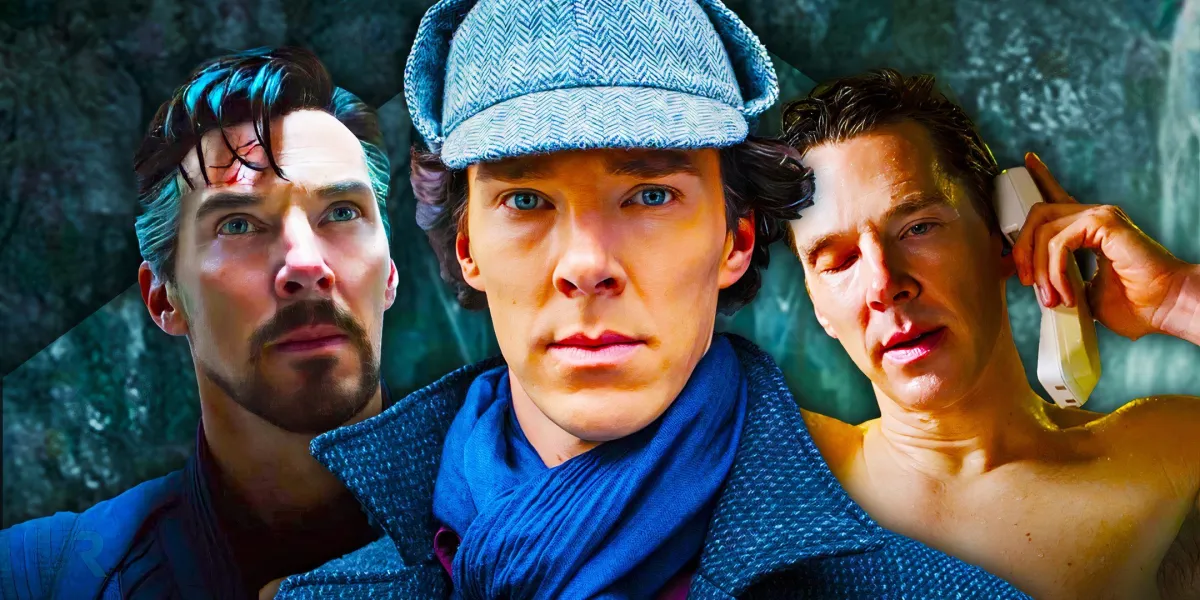 Photo: Benedict Cumberbatch, via static1.srcdn.com
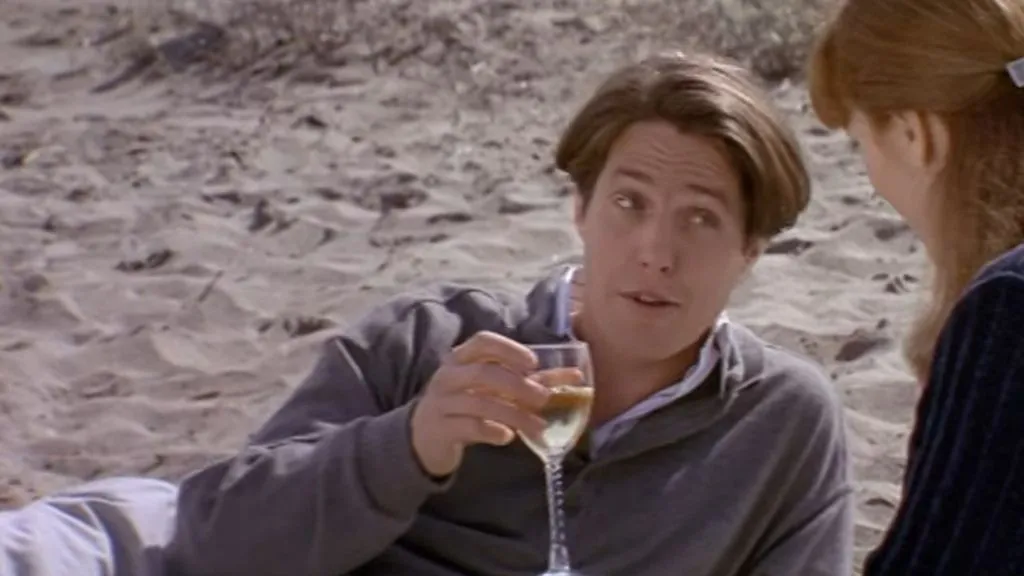 Photo: Hugh Grant, via cdn.mos.cms.futurecdn.net
Dialect coaches are the unsung heroes of British entertainment, the people who stand between your favourite actors and complete vocal catastrophe. They're the reason why Line of Duty sounds authentically West Midlands rather than like a group of RADA graduates doing impressions of their taxi drivers.
The Social Media Minefield
In 2025, getting an accent wrong isn't just embarrassing — it's potentially career-ending. Social media has created a generation of armchair dialect experts who can spot a dodgy regional accent from space and aren't shy about sharing their expertise with the world. One poorly executed Yorkshire vowel can trend nationally within hours, complete with side-by-side comparisons and academic dissertations on why the actor's attempt at "bath" sounds like they're gargling gravel.
Dialect coach Sarah Lancashire (yes, that's really her name, and yes, she's heard all the jokes) has seen the stakes rise dramatically over her twenty-year career. "It used to be that if you got an accent slightly wrong, maybe the local press would mention it," she explains. "Now you've got people posting TikToks breaking down exactly why your attempt at Geordie sounds like a confused robot, and suddenly that's the only thing anyone remembers about your performance."
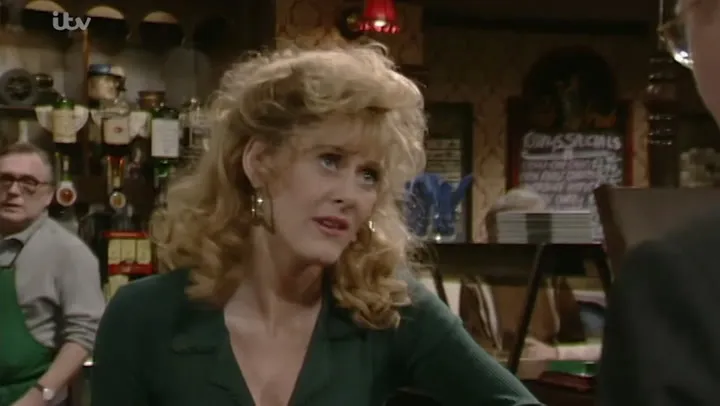 Photo: Sarah Lancashire, via cdn.jwplayer.com
The pressure has created what industry insiders call "accent anxiety" — a condition affecting actors who've become so paranoid about vocal authenticity that they sometimes forget how to speak in their natural voice. It's a peculiarly modern problem: being so afraid of sounding fake that you end up sounding completely artificial.
The Great Regional Renaissance
British television's current obsession with regional authenticity has turned dialect coaching from a nice-to-have into an absolute necessity. Shows like Happy Valley, This Is England, and Derry Girls have raised the bar for accent accuracy to stratospheric levels. Audiences now expect not just generic "Northern" or "Irish" accents, but hyper-specific regional variations that can pinpoint a character's background to within a few postcodes.
This trend has created a boom in specialist dialect work. Coaches who once focused on general "posh" or "working class" voices now find themselves researching the specific tonal variations between different areas of Glasgow, or the subtle differences between Liverpudlian accents from the 1980s versus today.
The most challenging brief any dialect coach can receive? "Make them sound authentically working class, but not so working class that middle-class viewers feel uncomfortable." It's a linguistic tightrope walk that requires the precision of a surgeon and the political awareness of a diplomat.
Famous Near-Misses and Spectacular Saves
The industry is littered with stories of last-minute vocal interventions that saved entire productions. There's the internationally renowned British actor (who shall remain nameless for legal reasons) who spent three weeks preparing for a major BBC drama by perfecting what they believed was a authentic Manchester accent, only to discover they'd been unconsciously mimicking Coronation Street's Gail Platt.
Then there's the case of the period drama where the lead actor's attempt at 19th-century aristocratic pronunciation was so aggressively posh that test audiences thought the character was suffering from some sort of medical condition. The dialect coach had just two days to dial it back from "terminally privileged" to "merely upper class."
Perhaps the most famous save in recent memory involved a major streaming production where the American lead's attempt at a British accent was so catastrophically wrong that the entire character had to be rewritten as an American living in Britain. The official line was that it added "interesting cultural dynamics" to the story. The real reason was that no amount of coaching could fix what sounded like someone doing a British accent while simultaneously having a stroke.
The Science Behind the Magic
Modern dialect coaching has evolved far beyond "repeat after me" methodology. Today's coaches use everything from acoustic analysis software to regional speech pattern databases. They study not just how people speak, but why they speak that way — the historical, social, and economic factors that shape regional accents.
The most effective coaches have become amateur anthropologists, understanding that a convincing accent isn't just about vowel sounds and consonant placement. It's about breathing patterns, rhythm, intonation, and even the way different regions use silence. A proper Yorkshire accent isn't just about how you say "the," it's about when you choose not to say anything at all.
The International Challenge
As British content becomes increasingly global, dialect coaches find themselves working with actors from around the world who need to sound convincingly British. This has created a new category of challenge: teaching someone whose first language might be Korean or Portuguese to sound like they grew up in Birmingham.
The results can be spectacular. Some of the most convincing regional British accents on television in recent years have been delivered by actors who had never set foot in the UK before filming began. It's a testament to both the skill of the coaches and the dedication of performers who understand that getting the voice right is often the key to getting everything else right.
The Future of Vocal Authenticity
As artificial intelligence begins to creep into every aspect of film production, some have wondered whether dialect coaching might become automated. The answer, according to industry professionals, is absolutely not. While AI can analyse speech patterns and provide feedback, it can't understand the emotional context that makes an accent truly convincing.
The best dialect coaches aren't just teaching pronunciation — they're teaching identity. They help actors understand not just how their characters speak, but why they speak that way. That's a level of nuance that no algorithm can replicate, no matter how sophisticated.
In an industry increasingly obsessed with authenticity, dialect coaches have become the guardians of one of British entertainment's greatest strengths: the rich tapestry of regional voices that make our stories feel real. They're the reason why British television can transport you from the streets of Glasgow to the countryside of Devon without ever breaking the spell.
They might work in the shadows, but their influence echoes in every convincing conversation, every believable character, and every moment when an accent feels so natural that you forget it's being performed at all.