Trailer Trash: How British Broadcasters Are Ruining Their Own Shows Before They Even Start
Remember when trailers were meant to tease rather than please? Those halcyon days when a thirty-second glimpse was enough to hook you without spoiling the entire bloody plot? Well, kiss those memories goodbye, because British broadcasters have apparently decided that subtlety is for losers and spoilers are the new black.
The Great Spoiler Epidemic
It's become an epidemic of epic proportions. Switch on any British channel or scroll through any streaming platform, and you'll be assaulted by trailers that essentially function as CliffsNotes with flashy graphics. Who needs to actually watch Line of Duty when the BBC has kindly shown you every major revelation, betrayal, and "Mother of God" moment in a three-minute montage?
Take the recent promotion for Happy Valley's final series. Instead of building mysterious anticipation around Catherine Cawood's last hurrah, the marketing team decided viewers needed to see practically every emotional climax, major confrontation, and dramatic revelation. It's like being handed the final page of a thriller before you've even opened the book.
The Netflix Problem
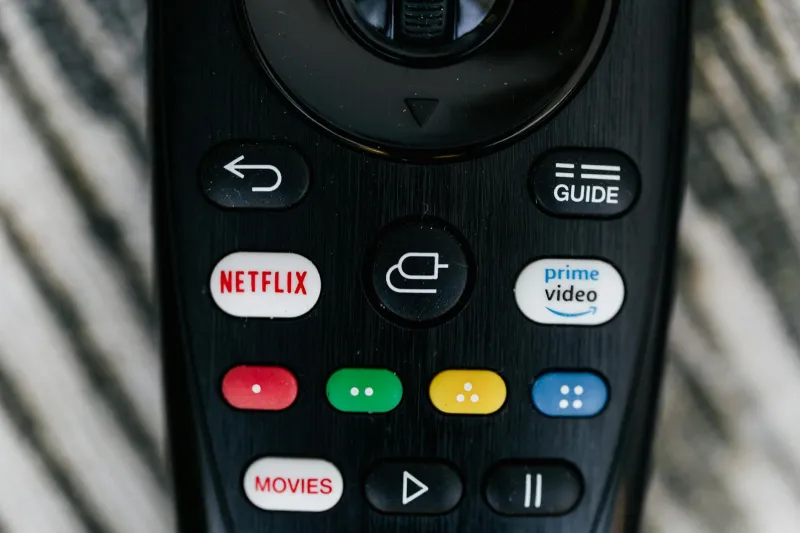
Netflix UK has perhaps perfected this art of self-sabotage. Their algorithm-driven approach to marketing means trailers are cut to reveal maximum plot points in minimum time. The platform's recent promotion for The Crown's later seasons essentially turned each trailer into a historical documentary, complete with spoilers for events that happened decades ago but were meant to unfold dramatically on screen.
"We want viewers to know exactly what they're getting," explains one anonymous streaming executive. "Market research shows that audiences respond better to trailers that clearly outline the narrative arc." What this research apparently doesn't measure is the crushing disappointment of watching a show where every major moment has been telegraphed in advance.
The ITV Disaster
ITV deserves special recognition for their trailer crimes against humanity. Their promotional campaign for Des managed to spoil not just the central mystery but also the investigative process, the character development, and several key emotional beats. Watching the actual series after seeing their trailers was like being guided through a museum by someone who insists on explaining every exhibit before you can appreciate it yourself.
The network's approach to promoting Quiz was equally egregious, revealing the mechanics of the cheating scandal, the consequences for the contestants, and even specific courtroom moments. By the time viewers sat down to watch, they weren't experiencing a drama — they were ticking off a checklist of pre-revealed plot points.
The Psychology of Over-Promotion
What drives this compulsive need to reveal everything? Marketing departments argue they're fighting for attention in an oversaturated landscape. With hundreds of new shows launching monthly, they claim dramatic spoilers are the only way to cut through the noise.
"Audiences have shorter attention spans and higher expectations," argues media strategist Rachel Thompson. "A mysterious trailer might intrigue film buffs, but mainstream viewers want to know they're investing time in something worthwhile."
 Photo: Rachel Thompson, via rachelthompson.co
This logic falls apart when you consider that the most successful recent British shows — Fleabag, Killing Eve, Bodyguard — built their audiences through word-of-mouth and carefully crafted mystery, not spoiler-heavy marketing blitzes.
The Channel 4 Exception
Channel 4 occasionally bucks this trend, though not consistently. Their promotion for It's a Sin managed to convey the show's emotional weight and cultural significance without revealing specific character fates or plot developments. The trailers created anticipation rather than satisfaction, leaving viewers hungry for more rather than feeling they'd already consumed the main course.
Conversely, their marketing for The End of the F*ing World season two fell into the same trap as their competitors, revealing character returns, relationship developments, and even visual gags that were meant to surprise viewers.
The International Embarrassment
Perhaps most frustrating is how this approach makes British television look amateurish on the international stage. While Scandinavian crime dramas and Korean thrillers maintain air-tight secrecy around their plots, UK broadcasters are essentially live-tweeting their own spoilers through official marketing channels.
American networks, for all their faults, understand the value of restraint. Better Call Saul trailers revealed atmosphere and character without spoiling narrative beats. The Boys promotional material focused on tone and spectacle rather than plot reveals. Meanwhile, BBC trailers for Sherlock practically provided episode summaries with musical accompaniment.
The Social Media Amplification
Social media has amplified this problem exponentially. Broadcasters don't just create one spoiler-heavy trailer — they create dozens of clips, behind-the-scenes videos, and "exclusive sneak peeks" that collectively reveal entire storylines. By the time a show premieres, dedicated fans have essentially watched a condensed version through official promotional content.
Twitter and TikTok have become particular offenders, with broadcasters creating bite-sized content that prioritises viral moments over narrative preservation. The result is a viewing experience that feels like déjà vu rather than discovery.
The Audience Rebellion
Viewers are starting to fight back, though not always successfully. Social media is filled with complaints about over-revealing trailers, with many fans adopting "trailer blackout" strategies where they actively avoid promotional material for shows they're planning to watch.
This creates an absurd situation where the most dedicated fans of British television are forced to ignore official marketing to preserve their viewing experience. It's like having to close your eyes during film trailers to avoid ruining the movie you've already bought tickets for.
The Solution Hiding in Plain Sight
The fix isn't complicated: trust your audience's intelligence and your content's quality. Create trailers that establish mood, introduce characters, and hint at conflicts without revealing resolutions. Build anticipation rather than providing satisfaction.
Look to the film industry for inspiration. Horror movie trailers excel at creating dread without spoiling scares. Comedy trailers can be hilarious without revealing every punchline. There's no reason television marketing can't apply the same principles.
The Future of Spoiler-Free Promotion
Some broadcasters are beginning to recognise the problem. Apple TV+ has experimented with extremely minimal promotional campaigns that focus on production values and cast rather than plot details. Amazon Prime Video occasionally creates atmospheric trailers that prioritise mood over narrative reveals.
The question is whether British broadcasters will follow suit or continue treating their audiences like goldfish who need constant visual stimulation to maintain interest.
Time to Change the Channel
Ultimately, the current approach to television marketing represents a fundamental misunderstanding of what makes great television great: surprise, discovery, and emotional investment. When broadcasters spoil their own shows, they're not just ruining individual viewing experiences — they're undermining the entire art form.
It's time for British television to remember that the best stories are worth waiting for, and the best trailers leave you wanting more, not feeling like you've already seen it all. Until then, we'll be watching with our eyes half-closed, trying to preserve what little magic remains in the age of the spoiler-heavy trailer.