Plot Twist Terrorists: How Social Media Turned TV Spoilers into Weapons of Mass Destruction
The Death of Appointment Television Innocence
There was a time, not so long ago, when avoiding television spoilers required the social skills of a diplomatic summit. You'd simply avoid that one friend who always watched EastEnders early on iPlayer, dodge the office water cooler on Monday mornings, and maybe steer clear of the Radio Times if you were feeling particularly paranoid. Job done. Innocence preserved.
Those halcyon days are as dead as a Game of Thrones character in the penultimate episode. Welcome to the spoiler economy, where plot reveals have become the currency of social media engagement, and your timeline is a minefield of narrative destruction waiting to explode your viewing pleasure into a thousand tiny, disappointing pieces.
The Weaponisation of Plot Points
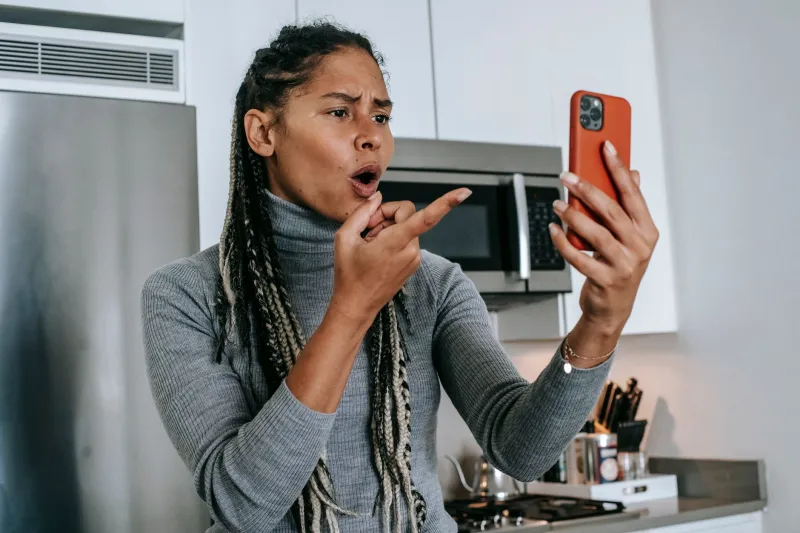
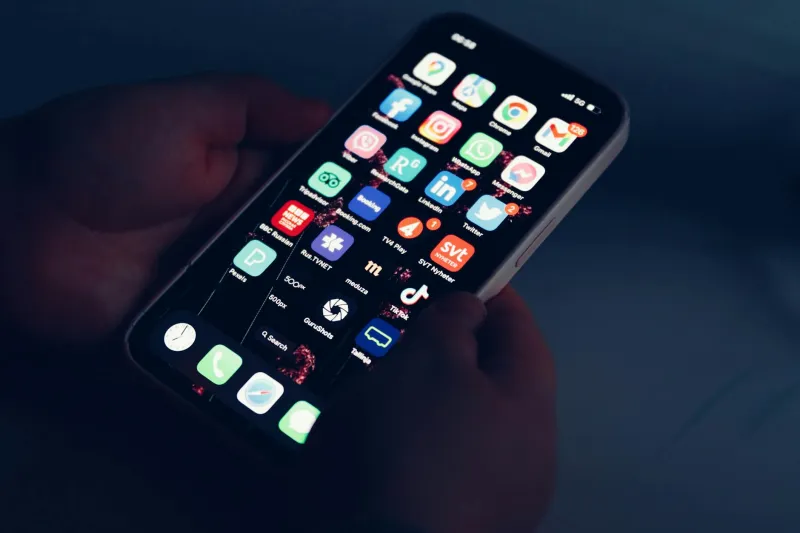
Social media has turned spoilers from accidental slips into precision-guided entertainment missiles. Twitter, TikTok, Instagram, and Reddit have created an ecosystem where being first with a plot reveal isn't just satisfying – it's profitable. Reaction videos, hot takes, and "OMG DID YOU SEE..." posts generate clicks, likes, and that sweet, sweet dopamine hit of viral engagement.
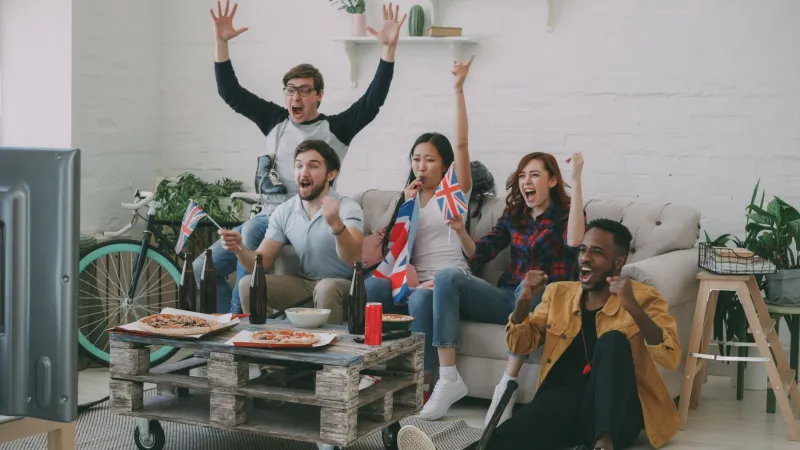
The problem isn't just the intentional spoiler merchants, though they're certainly part of the problem. It's the entire infrastructure of modern fandom that's broken. Live-tweeting has evolved from a bit of fun into a competitive sport where the prize is destroying the experience for anyone foolish enough to watch an episode twelve hours after broadcast.
Take Line of Duty's infamous "H" revelation. Within minutes of the episode airing, Twitter was flooded with reaction memes, character name reveals, and detailed breakdowns of every plot twist. Anyone who dared open social media before catching up was essentially volunteering for narrative execution.
The Great Viewing Time Wars
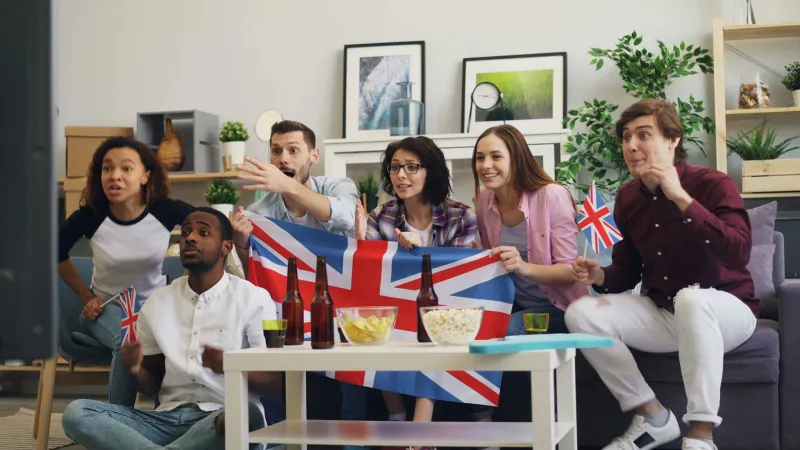
This has created a bizarre hierarchy of television consumption where watching live has become a form of cultural currency. Miss the 9 PM slot? You're relegated to second-class viewer status, frantically navigating social media with the caution of someone defusing a bomb.
The streaming services haven't helped matters. Netflix's binge-drop model has created a new form of spoiler anxiety where entire series can be consumed and dissected within hours of release. Remember when everyone finished Squid Game in a weekend and spent the following week posting memes that made the show unwatchable for anyone with a normal sleep schedule?
Meanwhile, traditional broadcasters are stuck in an impossible position. They want to encourage social media engagement – it's free marketing, after all – but they also need to protect the viewing experience for their audience. It's like trying to host a surprise party in Piccadilly Circus.
 Photo: Piccadilly Circus, via thumbs.dreamstime.com
The Unwritten Rules of Engagement
The spoiler economy has developed its own twisted etiquette. There's the 24-hour rule (completely inadequate), the 48-hour rule (slightly less inadequate), and the one-week rule (laughably optimistic). Some shows get special dispensation – nobody expects you to avoid Love Island spoilers for more than a few hours because the entire format depends on immediate reaction and discussion.
But these rules are about as effective as a chocolate fireguard. They rely on everyone agreeing to play nicely, which is like expecting drivers to voluntarily observe speed limits without any cameras or police. It simply doesn't work at scale.
The worst offenders are the "subtle" spoilers – those passive-aggressive posts that don't explicitly reveal plot points but make it crystal clear something dramatic has happened. "Well, THAT just changed everything!" they'll post, accompanied by crying emojis and tagged with the show's hashtag. Thanks for nothing, Karen.
The Algorithm Apocalypse
Social media algorithms have made the spoiler problem exponentially worse. These systems are designed to show you content related to your interests, which means that if you've ever engaged with posts about a particular show, you'll be force-fed spoilers whether you want them or not.
TikTok is particularly vicious in this regard. The algorithm is so aggressive that watching one reaction video can flood your For You page with spoiler content for weeks. It's like telling a waiter you enjoy pasta and having them throw spaghetti at you every time you enter a restaurant.
YouTube thumbnails have become spoiler delivery systems in their own right. Content creators know that dramatic, revealing images get more clicks, so they'll slap the biggest plot twist of the episode right there on the thumbnail. You don't even need to watch the video to have your viewing experience ruined.
The Broadcaster's Dilemma
Broadcasters find themselves caught between encouraging social media engagement and protecting their audience's viewing experience. They want people talking about their shows – it drives viewing figures and creates cultural moments – but they also know that spoilers can actively harm their product.
Some have tried to thread the needle with spoiler-free social media strategies, official accounts that promote discussion without revealing plot points. Others have embraced the chaos, accepting that spoilers are simply part of the modern television landscape.
The BBC has experimented with spoiler warnings and delayed social media posts, while ITV has tried to create spoiler-free discussion spaces. These efforts are admirable but ultimately futile against the tide of user-generated content that makes up the majority of social media discussion.
The Resistance Movements
Viewers have fought back with increasingly sophisticated spoiler-avoidance strategies. Browser extensions that filter out keywords, carefully curated social media feeds, and even complete digital detoxes during major television events have become common tactics.
Some have embraced the "blackout" approach, completely avoiding social media until they've caught up with their shows. Others have developed the reflexes of a ninja, rapidly scrolling past anything that might contain spoilers while desperately trying to maintain their normal social media habits.
The most hardcore spoiler avoiders have created elaborate systems of viewing priorities, ensuring they watch the most spoiler-prone content first and relegating less culturally urgent programmes to the bottom of their lists.
The Future of Surprise
As we look towards the future, it's clear that the spoiler economy isn't going anywhere. If anything, it's likely to get worse as more content creators realise that spoiler-adjacent content generates easy engagement. The race to be first with reactions and hot takes will only intensify.
Perhaps it's time to accept that the age of narrative surprise is over, at least in the traditional sense. Maybe the future lies in shows that are spoiler-proof by design – content that's more about the journey than the destination, where knowing what happens doesn't diminish the experience.
Or maybe we need to fundamentally rethink how we consume and discuss television in the digital age. Either way, one thing is certain: the spoiler wars are far from over, and casualty rates continue to climb.
Until then, we're all just trying to navigate the minefield, hoping to make it through another episode unspoiled. Good luck out there – you're going to need it.