The Comfort Loop Conspiracy: Why Britain's Streaming Habits Reveal Our Secret Fear of the New
The Great Rewatch Rebellion
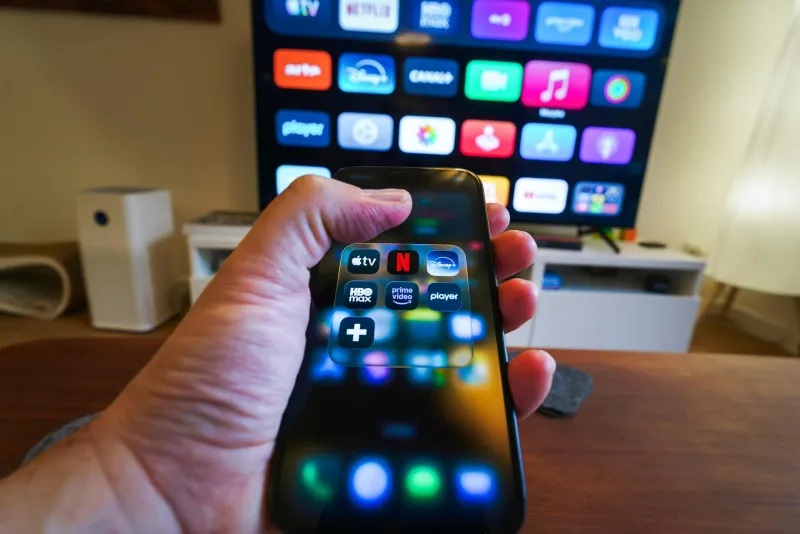
Somewhere in a Netflix boardroom, an algorithm is having an existential crisis. Despite spending millions on AI that can predict viewing preferences with scary accuracy, it keeps being outsmarted by the British public's stubborn refusal to watch anything new. While the recommendation engine frantically suggests cutting-edge Korean dramas and high-budget sci-fi epics, we're all quietly settling in for our fifteenth run through Gavin and Stacey.
This isn't laziness — it's a full-scale rebellion against the tyranny of choice. Streaming platforms have created a paradox: infinite options have made us nostalgic for the days when there were only four channels and you watched whatever was on. The result? A nation of secret rewatchers, comfort-zoning our way through the same beloved shows like they're televisual comfort food.
The Psychology of the Familiar Frame
There's genuine science behind our rewatch addiction. Psychologists call it the 'mere exposure effect' — we literally like things more the more we encounter them. But British viewers have weaponised this tendency, turning it into a form of emotional self-medication. When the world feels chaotic, there's profound comfort in knowing exactly what Jim Halpert's going to do next, or that David Brent's cringe-worthy presentation will unfold exactly as it did the last twelve times.
Peep Show has become the ultimate comfort rewatch for a generation of British viewers, despite being one of the most uncomfortable shows ever made. The familiar rhythm of Mark and Jez's dysfunction provides a strange kind of security — their lives might be disasters, but they're predictable disasters. In an uncertain world, there's something deeply reassuring about scheduled awkwardness.
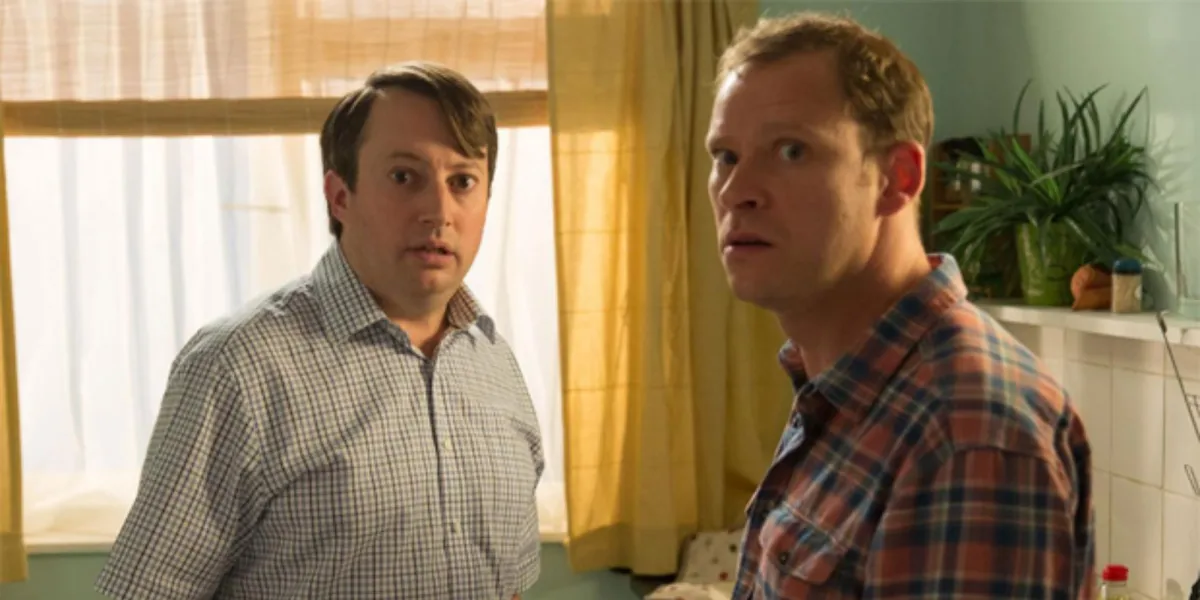 Photo: Peep Show, via static1.colliderimages.com
The Streaming Paradox Problem
Streaming services have accidentally created their own worst enemy. By making everything available all the time, they've eliminated the scarcity that once drove viewing habits. When you could only catch The Office on Dave at random times, it felt like finding treasure. Now that it's permanently available on multiple platforms, we've turned it into televisual wallpaper — always there, always comforting, never demanding our full attention.
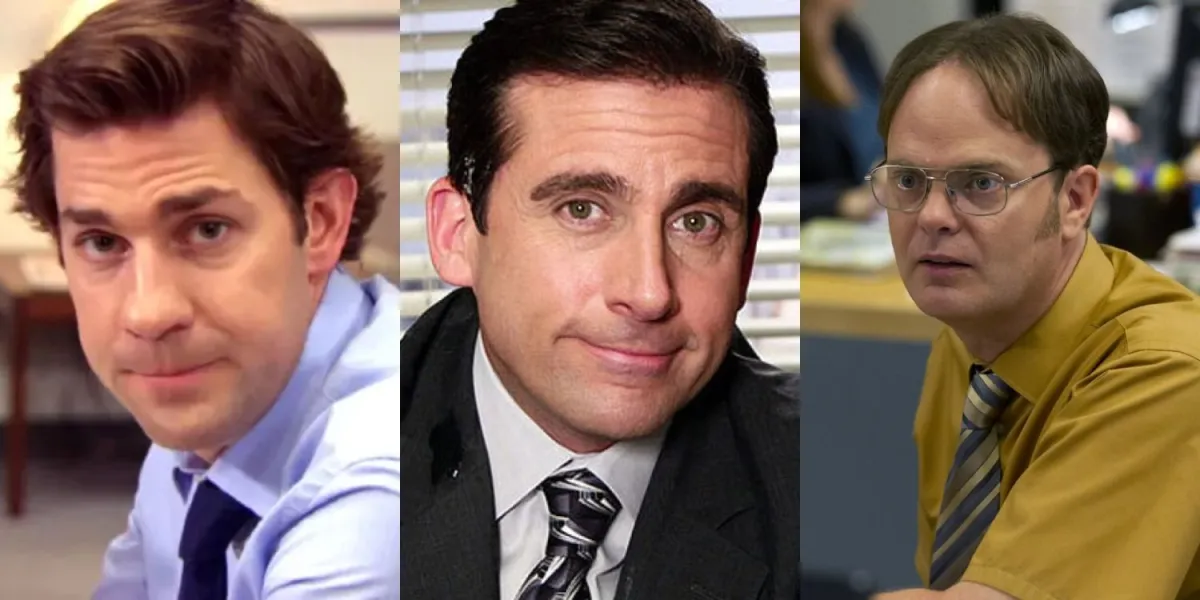 Photo: The Office, via static1.srcdn.com
The data is staggering: British viewers spend roughly 40% of their streaming time rewatching content they've already seen. That's not a bug in the system — it's a feature we've created ourselves. We're using Netflix like a digital comfort blanket, wrapping ourselves in familiar narratives when reality gets too unpredictable.
The Goldilocks Zone of Attention
Rewatching serves a unique psychological function that new content simply can't provide. When you already know the plot, your brain can process the show differently. You notice background details, catch jokes you missed, and appreciate performance nuances that were invisible during your first viewing. It's like having a conversation with an old friend versus meeting someone new — both valuable, but serving completely different emotional needs.
Friends remains the ultimate example of this phenomenon. Despite being an American show about people whose problems would be instantly solved by the NHS, it's become the go-to comfort rewatch for British viewers. The familiar rhythms, the predictable character dynamics, the knowledge that everything will work out fine — it's televisual Valium for the Netflix generation.
The Anti-Algorithm Alliance
What's particularly British about our rewatch habits is the way we've collectively decided to ignore streaming platforms' increasingly sophisticated recommendation systems. These algorithms can predict what we might like based on viewing history, time of day, and even emotional state — but they can't compete with the simple comfort of knowing exactly what's coming next.
This has created a fascinating standoff between human psychology and artificial intelligence. The machines keep learning, adapting, and suggesting, while we keep clicking on The Inbetweeners for the hundredth time. It's accidentally become the most passive-aggressive rebellion in digital history.
The Comfort Zone Economy
Streaming platforms are slowly catching on to our rewatch obsession, but they're approaching it all wrong. Instead of fighting our comfort-seeking behaviour, they should be celebrating it. The most successful British streaming content isn't necessarily the most innovative — it's the most rewatchable. Shows like Derry Girls or This Country work because they improve with familiarity rather than diminish.
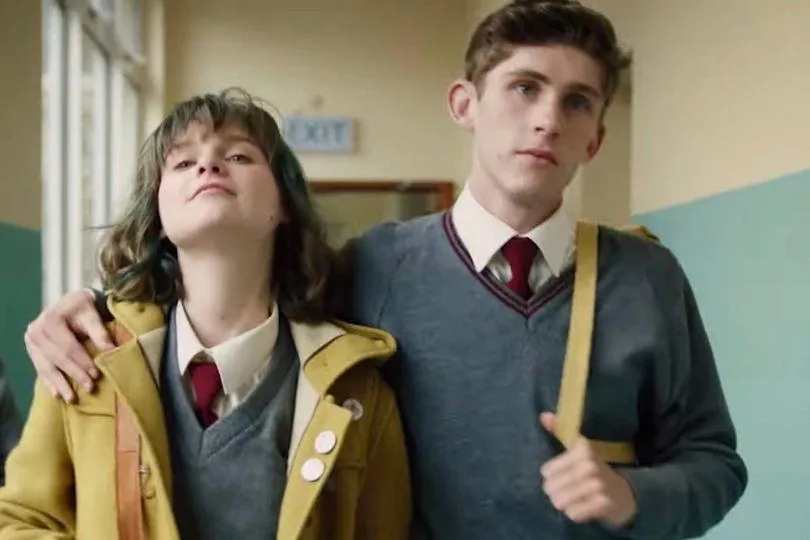 Photo: Derry Girls, via img-s-msn-com.akamaized.net
The future of streaming might not be about endless choice or algorithmic precision — it might be about creating content that gets better each time you watch it. In a world of infinite options, perhaps the smartest strategy is making something people will want to see again and again.
The Eternal Return to Slough
Ultimately, Britain's rewatch addiction reveals something profound about how we consume culture in the digital age. We're not just watching television — we're curating emotional experiences. Every time we choose The Office over something new, we're prioritising psychological comfort over intellectual stimulation. And honestly? In 2025, that might be the sanest response to an insane world.
The algorithm will keep learning, the recommendations will keep improving, and the new content will keep arriving. But somewhere in Britain, someone's settling down for another evening with Tim Canterbury, and that's probably exactly where they need to be.