Reading Between the Lines: How Britain Became a Nation of Subtitle Addicts
The Great British Subtitle Takeover
Something peculiar has happened in British living rooms over the past few years, and it's got nothing to do with the cost of heating or the quality of our tellies. We've all become subtitle addicts, and most of us don't even realise it.
What started as an accessibility feature for the deaf and hard-of-hearing community has morphed into the default viewing experience for millions of Brits who can hear perfectly well, thank you very much. We're reading our entertainment instead of listening to it, and the implications are far more profound than you might think.
The Mumbling Crisis That Started It All
Let's be honest about what kicked this whole trend off: British actors stopped enunciating. Somewhere between the demise of received pronunciation and the rise of gritty realism, our screen stars decided that speaking clearly was for amateurs.
Peaky Blinders was probably the tipping point. Cillian Murphy's Tommy Shelby whispered his way through six series with all the vocal projection of a particularly shy church mouse. Viewers found themselves leaning into their tellies like elderly relatives at a family gathering, desperately trying to catch every muttered word.
 Photo: Cillian Murphy, via i.redd.it
Then came Line of Duty, where the dialogue was delivered at approximately the same volume as a confession booth conversation. Add in the thick regional accents, rapid-fire police jargon, and Adrian Dunbar's tendency to speak directly into his chest, and subtitles went from helpful to absolutely essential.
 Photo: Adrian Dunbar, via www.pluceo.fr
The Second Screen Syndrome
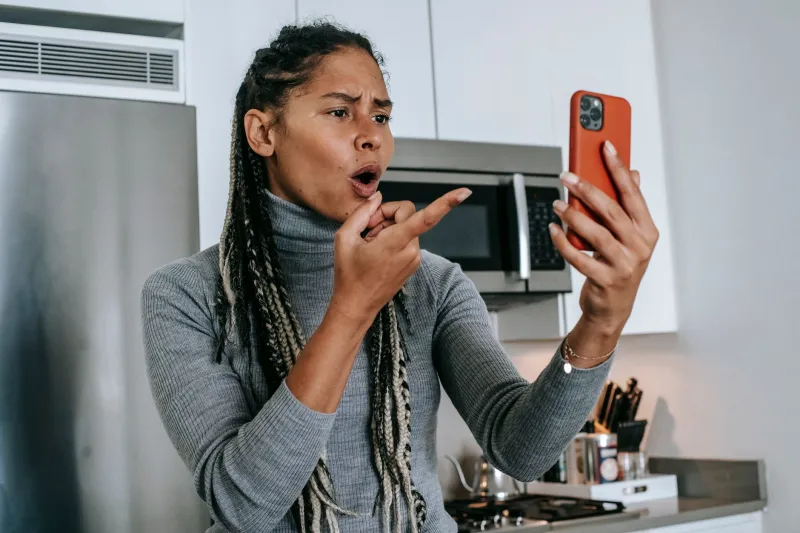
But the mumbling crisis is only part of the story. The real culprit is our phones. We're trying to watch telly while simultaneously scrolling through Instagram, replying to WhatsApp messages, and checking whether that thing we ordered from Amazon has been dispatched yet.
Subtitles have become the solution to our collective attention deficit disorder. They allow us to follow the plot while our eyes dart between screens, catching crucial dialogue in our peripheral vision. It's multitasking made manifest, and it's fundamentally changing how we consume entertainment.
Streaming platforms have cottoned on to this behaviour and designed their interfaces accordingly. Netflix's subtitle options are now more prominent than the volume controls, and for good reason — their data probably shows that more people adjust the text settings than the audio ones.
The Foreign Language Gateway Drug
Subtitles have also become Britain's gateway to international content. Shows like Money Heist, Squid Game, and Dark have proved that British audiences are perfectly happy to read their entertainment, provided it's good enough to warrant the effort.
This represents a seismic shift in viewing habits. For decades, British broadcasters assumed that subtitled content was niche, relegated to BBC Four and late-night art house slots. Now, Korean dramas are topping the most-watched lists, and we're all pretending we always loved reading while watching.
The irony is delicious: we've become more willing to read subtitles for foreign shows than we are to strain our ears for British ones. Apparently, it's easier to follow a complex Korean thriller than it is to understand what someone from Birmingham is saying on Doctors.
The Generational Divide
There's a clear age split in subtitle usage, and it's not what you'd expect. While older viewers stick to audio-only viewing (possibly out of stubborn principle), younger audiences have embraced subtitles with the enthusiasm of early adopters discovering a new iPhone feature.
Gen Z and younger millennials don't see subtitles as an admission of defeat — they see them as an enhancement. They're the same generation that grew up with video games that included subtitles as standard, who learned to read faster than they learned to listen carefully.
For them, subtitles aren't just functional; they're informational. They reveal character names, clarify accents, and even provide context that audio alone might miss. It's like having cliff notes for your entertainment.
The Creative Response
Writers and directors are starting to acknowledge this shift in viewing habits, though not always consciously. There's a growing awareness that dialogue needs to work on the page as well as in performance, that visual storytelling is becoming even more crucial as audiences literally watch the words as well as the action.
Some creators are embracing this change. Subtitle-friendly writing tends to be more precise, more economical with language. When every word might be read rather than heard, there's less room for throwaway lines and mumbled exposition.
Others are fighting back, insisting that their work should be experienced as intended — through audio alone. Christopher Nolan's famously muddy dialogue mixing in films like Tenet feels like a deliberate challenge to subtitle culture, a stubborn insistence that audiences should strain to hear rather than read to understand.
 Photo: Christopher Nolan, via www.drs-ag.de
The Technical Revolution
The technology behind subtitles has quietly revolutionised alongside our viewing habits. Auto-generated subtitles, once laughably inaccurate, are now sophisticated enough to handle regional accents, technical jargon, and even emotional context.
Streaming services are experimenting with dynamic subtitles that change size, colour, and position based on the content. Some platforms now offer multiple subtitle tracks — traditional transcription, simplified language, and even commentary-style explanations for complex plots.
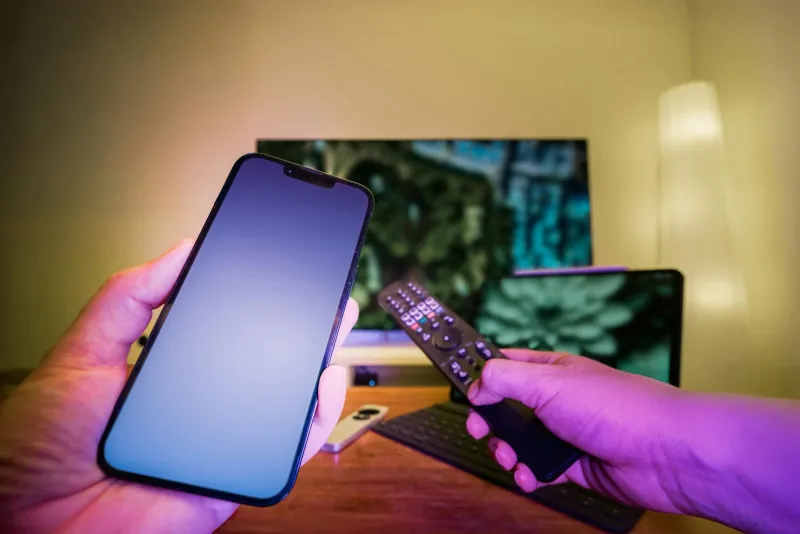
Smart TVs have made subtitle activation seamless. What once required navigating through multiple menu screens now happens with a single button press. The friction has been removed, making the choice to read rather than listen effortless.
The Cultural Implications
This shift towards subtitle dependence reveals something profound about modern attention spans and media consumption. We're becoming a culture of skimmers rather than listeners, processors rather than absorbers.
There's an efficiency to subtitle reading that appeals to our time-pressed lifestyles. You can consume dialogue faster than actors can deliver it, skip back to reread crucial information, and even pause to process complex plot points without missing the visual action.
But we might be losing something in the process. The rhythm of speech, the emotional weight of silence, the subtle inflections that convey meaning beyond words — all of this gets flattened into text on screen.
The Future of Reading Our Entertainment
As we look ahead, subtitle usage shows no signs of declining. If anything, it's likely to become even more integrated into the viewing experience. Expect to see subtitles that include emotional context, background information, and even real-time translations of cultural references.
The question isn't whether subtitles will continue to dominate — it's whether future generations will even remember what it was like to watch without them. We've quietly revolutionised how we consume entertainment, one line of text at a time.
And honestly? We're probably better for it. Even if we can't quite hear what Tom Hardy is mumbling about.