Netflix Who? Why British Streaming Platforms Are Quietly Winning the Living Room in 2025
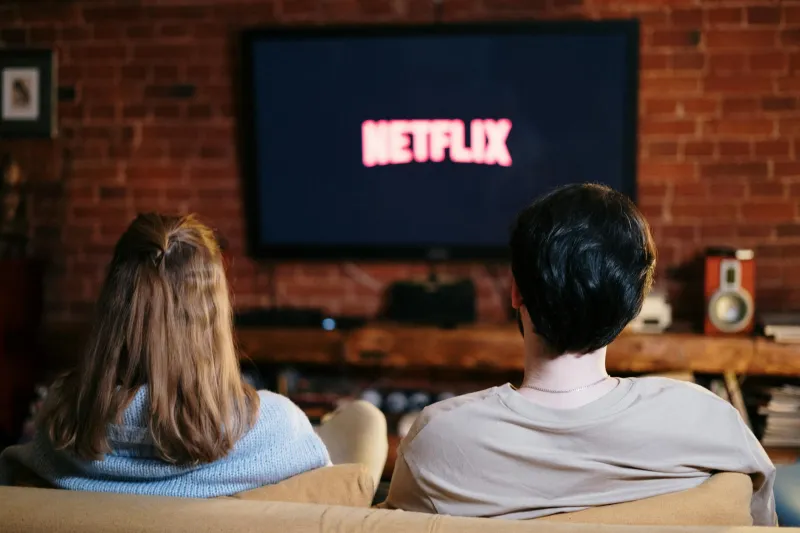
Cast your mind back to 2020. Netflix was untouchable. It had Tiger King. It had The Crown. It had the cultural monopoly on what people were talking about at work on a Monday morning. Subscribing to anything else felt slightly eccentric, like insisting on Bing over Google.
Fast forward to 2025, and something has shifted. The subscription price has climbed with the enthusiasm of a man who's just discovered he can expense things. The password-sharing crackdown arrived with all the warmth of a council tax reminder. And meanwhile, your telly's home screen is quietly filling up with free British streaming apps that are — whisper it — actually delivering the goods.
So is Netflix losing its crown to the homegrown competition? Let's flip the screen and have a proper look.
The Price Problem Nobody Can Ignore
Let's start with the elephant in the room, or rather, the elephant sitting on your direct debit. Netflix's standard subscription in the UK now sits at a price point that would have seemed laughable five years ago. Add Disney+, Apple TV+, and the occasional Paramount+ binge, and you're looking at a streaming bill that rivals a mid-range gym membership you also never fully use.
British audiences are, by nature, deeply suspicious of feeling ripped off. It's practically a national sport. And when iPlayer, ITVX, and Channel 4 are sitting there — free, legal, and increasingly stacked with quality content — the maths starts doing uncomfortable things to your loyalty.
Ofcom's 2024 Media Nations report noted a continued softening in paid streaming uptake among UK households, with free ad-supported platforms recording significant growth in time-spent viewing. That's not a blip. That's a behavioural shift.
What BBC iPlayer Is Actually Doing Right
iPlayer has always been the reliable older sibling of British streaming — dependable, slightly underrated, and quietly responsible for more of your entertainment than you'd care to admit. But in 2025, it's operating with genuine confidence.
Happy Valley series three broke iPlayer records. The Traitors — technically a BBC Studios production — became the most talked-about reality format in years and drove enormous platform traffic. Wolf Hall: The Mirror and the Light reminded everyone that the BBC can still produce period drama that makes Netflix's costume catalogue look like a school play.
The iPlayer back catalogue is now genuinely deep, the app is far less infuriating than it used to be (a low bar, granted, but progress is progress), and the BBC's commissioning slate for 2025 includes several originals that have generated serious pre-release buzz. It's not flashy. But it works.
ITVX: The Underdog That's Stopped Apologising
For years, ITV's streaming offering felt like the digital equivalent of a shop that's always just about to be refurbished. ITVX changed that. The rebranded platform now hosts a growing library of exclusive content alongside the catch-up classics, and its ad-supported free tier has proven genuinely popular with audiences who'd rather sit through a thirty-second ad than pay another monthly standing order.
ITVX originals have started punching properly. Mr Bates vs The Post Office — aired across ITV and ITVX — became one of the most culturally significant British dramas in recent memory, triggering real-world political consequences and demonstrating that linear television and streaming can still create genuine national conversation when the content is strong enough.
The platform's live sport integration is also quietly becoming a selling point. For a free service, it's doing a lot of heavy lifting.
Channel 4 Streaming: Quietly Essential
Channel 4's streaming platform (currently navigating its own identity and funding conversations, but still very much operational) continues to serve the audience that falls between the BBC's public service remit and ITV's mainstream instincts. Derry Girls, It's a Sin, Taskmaster — the back catalogue alone justifies having the app downloaded. And Channel 4's commitment to bold, diverse commissioning means its originals tend to feel distinct from the algorithmically-optimised content that increasingly defines the big subscription players.
So What Is Netflix Actually Offering in 2025?
Here's where we have to be honest: Netflix isn't failing. Not really. Adolescence — the four-part British drama that dropped in early 2025 — became a genuine cultural phenomenon, with Stephen Graham delivering a performance that had critics running out of superlatives. That's a Netflix original. A British one, at that, which rather complicates the narrative.
Netflix's investment in UK production has been substantial and consequential. It funds British talent, British crews, and British stories at a scale that the domestic broadcasters simply cannot match. To dismiss it as a foreign interloper ignoring local tastes would be unfair and inaccurate.
But — and it's a significant but — the days of Netflix being the only place where prestige television lived are definitively over.
The Verdict: It's Complicated (But Fascinating)
The streaming landscape in 2025 isn't a story of Netflix collapsing. It's a story of a market maturing. British audiences are becoming more strategic about their subscriptions — dipping in and out rather than maintaining year-round loyalty, and supplementing paid services with the free British platforms that have finally stopped being embarrassed about themselves.
The smart move? Keep iPlayer and Channel 4 downloaded always — they're free and increasingly excellent. Maintain one or two paid subscriptions on rotation rather than running them all simultaneously. And stop feeling guilty about cancelling Netflix for three months when there's nothing you want to watch.
Your wallet will thank you. And honestly? So will your screen time statistics.
The crown isn't gone from Netflix's head. But it's definitely sitting at a slightly more precarious angle than it was five years ago. And the competition has never been more interesting.